Struggling with constipation or unpredictable digestion?
You're not alone. Millions of people experience the discomfort and frustration of digestive irregularity, often stemming from an imbalance in their gut microbiome. This intricate ecosystem of trillions of bacteria, fungi, and other microorganisms plays a pivotal role not just in digestion, but in overall health and well-being.
Fortunately, nature offers powerful allies in the quest for gut balance: fermented foods rich in beneficial probiotics. By incorporating these ancient foods into your diet, you can actively support your gut health, potentially easing constipation and promoting a smoother, more regular digestive rhythm.

The Gut Microbiome: Your Inner Ecosystem
Before diving into the world of fermented foods, it's essential to understand the foundation of digestive health: your gut microbiome. This bustling community of microorganisms, primarily bacteria, resides in your intestines and plays a critical role in numerous bodily functions.
A balanced microbiome, rich in diverse beneficial bacteria, is key to efficient digestion, nutrient absorption, and even a robust immune system. When this balance is disrupted – often due to diet, stress, antibiotics, or lifestyle factors – it can lead to a condition known as dysbiosis. Dysbiosis is frequently associated with common digestive complaints like bloating, gas, indigestion, and crucially, constipation and digestive irregularity.
Beneficial gut bacteria assist in breaking down food components that our own enzymes cannot digest, producing valuable compounds like short-chain fatty acids (SCFAs) that nourish the colon cells and support gut barrier integrity. They also synthesize certain vitamins and help modulate immune responses. Therefore, fostering a thriving, diverse gut microbiome is not just about avoiding discomfort; it's about building a foundation for overall health.
💡 Key Takeaway
A healthy, diverse gut microbiome is fundamental for optimal digestion and regular bowel movements. Imbalances can lead to common issues like constipation and digestive irregularity, highlighting the importance of supporting your gut's beneficial bacteria.
What Are Fermented Foods and How Do They Help?
Fermentation is an ancient process, predating refrigeration, where microorganisms convert carbohydrates into organic acids, gases, or alcohol. This transformation not only preserves food but also enhances its nutritional value and creates unique flavors. More importantly, many fermented foods are teeming with live beneficial bacteria, known as probiotics.
When you consume these foods, you're essentially replenishing your gut with these helpful microbes. These probiotics can help:
- Restore balance: They compete with harmful bacteria, helping to re-establish a healthy microbial ecosystem.
- Improve digestion: Certain strains can aid in the breakdown of complex carbohydrates, reducing gas and bloating.
- Enhance nutrient absorption: A healthy gut lining, supported by probiotics, is more efficient at absorbing vitamins and minerals.
- Strengthen the gut barrier: Probiotics contribute to the integrity of the intestinal lining, preventing "leaky gut" syndrome.
- Promote regularity: By improving gut motility and stool consistency, they can significantly alleviate constipation.
It's important to differentiate between fermented foods that contain live cultures and those that have been pasteurized or heat-treated, as heating kills the beneficial bacteria. Always look for labels indicating "live and active cultures" or "unpasteurized."
The Big Three: Kefir, Kimchi, and Sauerkraut
While many foods are fermented, kefir, kimchi, and sauerkraut stand out as particularly potent sources of probiotics, each offering unique benefits and flavors.
Kefir: The Probiotic Powerhouse Drink
Kefir is a fermented milk drink, similar to yogurt but with a thinner consistency and a wider variety of beneficial bacteria and yeasts. It's made by inoculating milk with kefir grains, which are symbiotic cultures of bacteria and yeasts (SCOBY). Kefir is an excellent source of calcium, protein, and B vitamins, and its fermentation process makes it virtually lactose-free, often tolerated well by individuals with lactose intolerance.
For digestive health, kefir's diverse microbial content can significantly improve gut transit time, making it particularly effective against constipation. Studies have shown that regular kefir consumption can enhance the gut microbiome's diversity and function, leading to more comfortable and consistent bowel movements.
You can enjoy kefir on its own, blend it into smoothies, or use it as a base for salad dressings. Its tangy flavor pairs well with fruits and cereals.
Kimchi: The Spicy Korean Gut Booster
Kimchi is a traditional Korean side dish made from fermented vegetables, most commonly napa cabbage and Korean radish, seasoned with a vibrant mix of garlic, ginger, scallions, gochugaru (Korean chili powder), and other spices. The fermentation process, typically using lactic acid bacteria, not only creates its distinctive spicy, sour, and umami flavors but also generates a rich profile of probiotics.
Beyond its probiotic content, kimchi is packed with vitamins A, B, and C, as well as fiber, which is crucial for digestive regularity. The combination of probiotics and fiber makes kimchi a powerful ally in preventing and alleviating constipation. Its unique blend of ingredients also offers anti-inflammatory and antioxidant properties.
Kimchi can be enjoyed as a side dish with almost any meal, added to stir-fries, soups, or even incorporated into sandwiches and salads for a flavorful and gut-healthy kick.
Sauerkraut: The Classic Fermented Cabbage
Sauerkraut, meaning "sour cabbage" in German, is finely shredded cabbage that has been fermented by various lactic acid bacteria. It's a simple yet incredibly effective fermented food, offering a wealth of probiotics, fiber, and vitamins (especially vitamin C and K). Traditional, unpasteurized sauerkraut is key to reaping its full probiotic benefits, as pasteurization destroys the live cultures.
The lactic acid bacteria in sauerkraut help to break down the cabbage, making its nutrients more bioavailable and introducing beneficial microbes to the gut. Its high fiber content, coupled with its probiotic profile, works synergistically to promote healthy bowel movements and combat constipation. Regular consumption can also help reduce inflammation and support overall digestive comfort.
Sauerkraut is incredibly versatile; it can be served as a side dish, added to sandwiches, hot dogs, or salads. Look for refrigerated, unpasteurized varieties in the health food section to ensure live cultures.
Beyond the Big Three: Other Beneficial Fermented Foods
While kefir, kimchi, and sauerkraut are excellent starting points, the world of fermented foods is vast and diverse. Incorporating a variety can further enrich your gut microbiome and provide a broader spectrum of health benefits.
Other notable fermented foods include:
- Yogurt: A well-known source of probiotics, particularly strains like Lactobacillus acidophilus and Bifidobacterium lactis. Ensure it contains "live and active cultures" and limit added sugars.
- Tempeh: A fermented soybean product from Indonesia, rich in protein and probiotics. It has a firm texture and nutty flavor, making it a great meat substitute.
- Miso: A traditional Japanese seasoning paste made from fermented soybeans, rice, or barley. It's rich in probiotics and adds a savory umami flavor to soups, dressings, and marinades.
- Kombucha: A fermented tea drink, slightly effervescent and tangy, made with a SCOBY. It contains probiotics, antioxidants, and organic acids.
- Pickles (Lacto-fermented): Not all pickles are fermented; many are simply brined in vinegar. Look for "lacto-fermented" or "unpasteurized" pickles, usually found in the refrigerated section.
Variety is key when it comes to gut health. Each fermented food provides a unique blend of microbial strains and nutrients, contributing to a more resilient and diverse gut ecosystem. Experiment with different options to find what you enjoy and what works best for your digestive system.
The Science of Regularity: How Probiotics Tackle Constipation
The connection between probiotics and relief from constipation isn't just anecdotal; it's backed by scientific research. Probiotics exert their effects through several mechanisms within the gut:
Improved Gut Motility
Certain probiotic strains, particularly those from the Lactobacillus and Bifidobacterium families, have been shown to influence gut transit time. They can stimulate the muscles in the intestinal walls, helping to move waste through the colon more efficiently. This reduction in transit time is crucial for preventing stool from becoming too dry and hard, which is a primary cause of constipation.
Increased Stool Water Content
Probiotics can affect the osmotic balance in the colon, leading to increased water content in the stool. Softer stools are easier to pass, significantly reducing the strain and discomfort associated with constipation. This mechanism is particularly beneficial for those who experience hard, dry stools.
Production of Short-Chain Fatty Acids (SCFAs)
As beneficial bacteria ferment dietary fiber in the colon, they produce SCFAs like butyrate, acetate, and propionate. These SCFAs are vital for gut health. Butyrate, for instance, is the primary fuel source for colon cells and helps maintain the integrity of the gut lining. SCFAs can also stimulate gut motility and contribute to a healthy gut environment that supports regular bowel movements.
Modulation of Gut-Brain Axis
The gut and brain are in constant communication via the gut-brain axis. Probiotics can influence this communication, potentially impacting the perception of pain and discomfort, and even influencing mood. A well-functioning gut-brain axis can lead to a more relaxed digestive system, which in turn can help alleviate stress-induced constipation and improve overall digestive regularity. For more on this connection, you might find our article on Stress and Gut Health insightful.
💡 Key Takeaway
Probiotics in fermented foods work through multiple pathways – improving gut motility, softening stools, producing beneficial SCFAs, and modulating the gut-brain axis – to effectively combat constipation and promote consistent digestive regularity.
Integrating Fermented Foods into Your Daily Routine
Making fermented foods a regular part of your diet doesn't have to be complicated. Here are some simple ways to incorporate kefir, kimchi, and sauerkraut, along with other fermented delights, into your daily meals:
- Breakfast Boost: Add a splash of kefir to your morning smoothie or pour it over granola. Enjoy a bowl of plain, unsweetened yogurt with berries.
- Lunchtime Lift: Top your salads or sandwiches with a spoonful of sauerkraut or kimchi for a tangy crunch. Use miso paste to make a quick, savory soup.
- Dinner Delight: Serve kimchi as a spicy side dish with grilled meats or rice. Incorporate tempeh into stir-fries or bake it as a protein source.
- Snack Smart: Sip on a glass of kombucha instead of sugary sodas. Grab a small bowl of plain fermented vegetables as a healthy snack.
Start small, perhaps with a tablespoon or two of a fermented food daily, and gradually increase your intake as your gut adjusts. This helps minimize any initial digestive discomfort like gas or bloating that can occur as your microbiome adapts to new bacteria. Listen to your body and find what works best for you.
When Fermented Foods Aren't Enough: The Role of Targeted Supplements
While incorporating fermented foods is a fantastic step towards better gut health, sometimes, they may not provide a sufficient or consistent enough dose of specific probiotic strains needed to address persistent issues like chronic constipation or digestive irregularity.
The probiotic content in fermented foods can vary widely depending on the preparation, storage, and specific cultures used. Additionally, for individuals with significant gut dysbiosis, a higher and more standardized dose of targeted probiotic strains might be necessary to kickstart the rebalancing process. This is where a high-quality digestive regularity supplement can play a crucial supportive role. Supplements offer a precise and potent delivery of clinically studied probiotic strains, often combined with other gut-supporting ingredients, providing a more reliable approach to managing digestive issues.
If you're looking for consistent support for digestive regularity, a supplement specifically designed for this purpose can be a valuable addition to your regimen. It can work synergistically with a diet rich in fermented foods to cultivate a truly thriving gut environment. For more information on targeted solutions, consider reading our article on Supplements for Regularity and Digestion.
Introducing Finessa: A Comprehensive Approach to Digestive Regularity
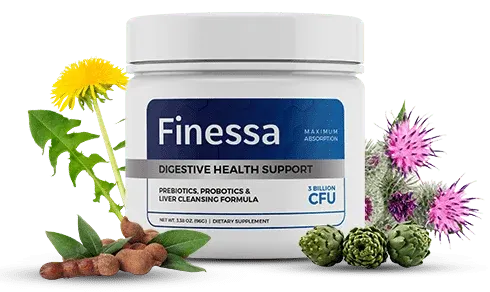
Finessa is a natural supplement designed to support your gut health and promote consistent digestive regularity. It's formulated with a synergistic blend of ingredients that work together to rebalance your microbiome, soothe your digestive tract, and ensure smoother bowel movements. While fermented foods are excellent, Finessa offers a targeted and consistent approach, delivering specific strains and compounds proven to aid digestion and relieve constipation.

Lactobacillus Acidophilus
Role: A well-known probiotic strain that helps maintain the balance of good bacteria in the gut, aids in lactose digestion, and supports a healthy immune response. It's crucial for breaking down food and preventing the overgrowth of harmful bacteria, directly contributing to regularity.
10 Billion CFU
Bifidobacterium Lactis
Role: This powerful probiotic is highly effective in improving gut transit time and stool consistency, making it a key player in alleviating constipation. It also strengthens the gut barrier and helps modulate the immune system, contributing to overall digestive comfort.
5 Billion CFU
Fructooligosaccharides (FOS)
Role: A prebiotic fiber that acts as food for beneficial gut bacteria, particularly Bifidobacteria. By nourishing these good bacteria, FOS helps them thrive and multiply, enhancing the overall effectiveness of the probiotic strains and promoting a healthy microbiome.
200 mg
Psyllium Husk
Role: A soluble fiber that absorbs water in the digestive tract, forming a gel-like substance. This adds bulk to stool, making it softer and easier to pass, which is highly beneficial for relieving constipation and promoting regular bowel movements. It also supports satiety.
500 mg
Aloe Vera Extract
Role: Known for its soothing properties, aloe vera helps calm the digestive tract and reduce inflammation. It can also act as a gentle laxative, promoting bowel regularity without harsh side effects, and supporting a healthy gut lining.
50 mg
Ginger Root
Role: A powerful digestive aid, ginger helps stimulate gastric motility and reduce nausea and bloating. Its anti-inflammatory properties can also soothe an irritated gut, contributing to overall digestive comfort and regularity.
100 mg
Peppermint Leaf
Role: Peppermint has antispasmodic properties that can relax the muscles of the digestive tract, easing cramps, gas, and bloating. It promotes smoother passage of food and waste, which can be particularly helpful for those experiencing digestive irregularity.
75 mg
Digestive Enzyme Blend
Role: A comprehensive blend of enzymes (e.g., amylase, lipase, protease) that helps break down carbohydrates, fats, and proteins more efficiently. This reduces the burden on the digestive system, enhances nutrient absorption, and minimizes undigested food that can cause gas and bloating, thereby promoting smoother digestion.
150 mgFinessa is designed to complement a healthy lifestyle, offering a reliable path to consistent digestive comfort and regularity. By combining the power of probiotics with soothing herbal extracts and essential fibers, it provides comprehensive support for a balanced and happy gut.
Ready for Consistent Digestive Comfort?
Take the next step towards a healthier, more regular digestive system with Finessa. Formulated with a blend of natural ingredients and clinically studied probiotics, Finessa supports your gut from within, helping to alleviate constipation and promote daily regularity.
- ✓ Supports a balanced gut microbiome
- ✓ Promotes consistent, comfortable bowel movements
- ✓ Reduces bloating, gas, and digestive discomfort
- ✓ All-natural ingredients, made in the USA
- ✓ Backed by a 60-day money-back guarantee




What Our Customers Are Saying
"I've struggled with constipation for years, trying everything. Fermented foods helped a bit, but Finessa truly made the difference. I'm finally regular and feel so much lighter and less bloated. It's a game-changer!"
"Adding Finessa to my daily routine, along with more fermented foods, has transformed my digestion. No more discomfort, no more irregularity. My gut feels happier, and I have more energy throughout the day."
"I was skeptical, but Finessa delivered. It's gentle, effective, and I haven't had a single issue with digestive irregularity since starting it. It's the perfect complement to my healthy diet."
Frequently Asked Questions
What are fermented foods and why are they good for gut health?
+Fermented foods are created through a process where microorganisms like bacteria and yeasts convert carbohydrates into organic acids, gases, or alcohol. This process not only preserves food but also produces beneficial compounds, including probiotics. These live microorganisms, when consumed in adequate amounts, contribute to a balanced gut microbiome, which is crucial for digestion, nutrient absorption, and immune function. They can help replenish beneficial bacteria, inhibit the growth of harmful pathogens, and reduce inflammation in the gut.
How do fermented foods specifically help with constipation and digestive irregularity?
+Fermented foods introduce a diverse range of beneficial bacteria into your gut. These probiotics can help regulate bowel movements by improving gut motility, softening stools, and reducing transit time. For individuals experiencing constipation or digestive irregularity, a healthy balance of gut flora can aid in the breakdown of food, reduce gas and bloating, and ensure more consistent and comfortable bowel movements. The short-chain fatty acids produced during fermentation also support the integrity of the gut lining.
Are there any side effects or considerations when adding fermented foods to my diet?
+While generally safe and beneficial, some people may experience mild side effects when first introducing fermented foods, such as temporary bloating, gas, or digestive discomfort. This is often due to the gut adjusting to the new influx of bacteria. It's best to start with small portions and gradually increase intake. Individuals with compromised immune systems or certain medical conditions should consult their doctor before making significant dietary changes. Also, be mindful of sodium content in some fermented products like kimchi and sauerkraut.
Can I get enough probiotics from fermented foods alone, or should I consider a supplement?
+Many people can significantly improve their gut health by regularly consuming a variety of fermented foods. However, the exact strain and quantity of probiotics in fermented foods can vary widely and are not always guaranteed. For targeted support, especially for specific conditions like chronic constipation or digestive irregularity, a high-quality probiotic supplement like Finessa can offer a consistent and potent dose of clinically studied strains. Supplements provide a standardized approach, ensuring you receive specific beneficial bacteria known for their efficacy.
What makes Finessa a suitable option for supporting gut health and regularity?
+Finessa is formulated with a blend of natural ingredients, including specific probiotic strains and digestive enzymes, chosen for their synergistic effects on gut health and bowel regularity. It aims to support a balanced microbiome, enhance nutrient absorption, and promote smoother, more predictable digestion. Unlike some single-strain probiotics, Finessa offers a comprehensive approach to address the multifaceted challenges of digestive irregularity, working to alleviate discomfort and improve overall gut function. Its gentle formulation is designed for daily use.
How quickly can I expect to see results from incorporating fermented foods or Finessa into my routine?
+The timeline for seeing results can vary greatly depending on individual factors such as the severity of existing digestive issues, consistency of intake, and overall diet and lifestyle. With fermented foods, some people may notice improvements in a few days or weeks, while for others, it might take longer. Similarly, with a supplement like Finessa, many users report feeling a difference in regularity and comfort within a few weeks of consistent use, with optimal benefits often observed after 60 to 90 days as the gut microbiome rebalances and strengthens.
Related Articles