Are you truly getting enough fiber for a healthy gut?
In the quest for optimal health, few dietary components are as universally praised yet frequently misunderstood as fiber. It's not just about "staying regular"; fiber is a powerhouse nutrient that plays a pivotal role in everything from managing blood sugar and cholesterol to nourishing your gut microbiome and even influencing mood.
However, despite its critical importance, a staggering number of adults in the US fall short of the recommended daily intake. This deficiency often leads to common digestive woes like constipation and irregularity, hindering optimal digestive function and overall vitality.
Understanding Fiber: More Than Just a Single Nutrient
Fiber isn't a single substance but rather a complex carbohydrate found in plant foods that our bodies cannot fully digest. This indigestibility is precisely what makes it so beneficial. Instead of being broken down for energy, fiber travels largely intact through our digestive system, performing crucial roles along the way. While often grouped as one, fiber actually comes in two primary forms, each with distinct functions: soluble fiber and insoluble fiber.
Many people assume all fiber works the same way, but understanding the differences between these two types is fundamental to optimizing your diet for digestive health. Both are essential, and a truly balanced diet incorporates a rich variety of foods providing both soluble and insoluble fiber. Failing to consume enough of either type can lead to a range of digestive complaints, particularly chronic constipation and irregularity, which can significantly impact quality of life.
The Role of Soluble Fiber: A Gentle Gel for Your Gut
Soluble fiber, as its name suggests, dissolves in water. When it encounters water in your digestive tract, it forms a gel-like substance. This gel has several important effects on your digestion and overall health. Firstly, it helps to slow down the digestive process, which can be beneficial for managing blood sugar levels by delaying the absorption of glucose into the bloodstream. This makes soluble fiber particularly important for individuals managing diabetes or seeking to prevent blood sugar spikes.
Secondly, this gel-like consistency helps to soften stool, making it easier to pass. For those suffering from hard, dry stools and associated constipation, increasing soluble fiber intake can provide significant relief. It acts as a natural stool softener, promoting smoother and more comfortable bowel movements. Moreover, soluble fiber serves as a powerful prebiotic, meaning it ferments in the colon and feeds the beneficial bacteria in your gut microbiome. A thriving gut microbiome is linked to improved immunity, better nutrient absorption, and even enhanced mood and cognitive function.
Common sources of soluble fiber include: oats, barley, apples, citrus fruits, carrots, peas, beans, lentils, and psyllium husk. Incorporating a variety of these foods into your daily diet can significantly boost your soluble fiber intake and support a healthy digestive system.
The Power of Insoluble Fiber: The Bulking Agent
In contrast to soluble fiber, insoluble fiber does not dissolve in water. Instead, it passes through your digestive system largely intact, adding bulk to your stool. Think of it as the "roughage" that helps sweep your digestive tract clean. This bulking action is crucial for several reasons.
Firstly, insoluble fiber increases stool volume, which helps to stimulate the muscles of your intestinal walls. This stimulation promotes peristalsis—the wave-like contractions that move food and waste through your gut—thereby speeding up transit time. For individuals struggling with slow digestion and constipation, insoluble fiber can be a game-changer, helping to ensure more frequent and regular bowel movements. It acts like a natural internal scrub brush, keeping things moving efficiently.
Secondly, by adding bulk and speeding up transit, insoluble fiber can help prevent diverticular disease and other common digestive issues. It ensures that waste doesn't linger in the colon for too long, reducing the risk of toxin reabsorption and discomfort. While it doesn't ferment like soluble fiber, its mechanical action is indispensable for maintaining regularity and preventing stagnation in the digestive tract.
Excellent sources of insoluble fiber include: whole wheat products (like whole wheat bread and pasta), wheat bran, nuts, seeds, potatoes with skin, green beans, cauliflower, and most leafy green vegetables. Prioritizing whole grains and plenty of vegetables will ensure you're getting ample insoluble fiber.
💡 Key Takeaway
Both soluble and insoluble fiber are vital for optimal gut health. Soluble fiber softens stool, feeds beneficial gut bacteria, and helps regulate blood sugar, while insoluble fiber adds bulk, speeds up transit time, and promotes regularity. A balanced intake of both is essential for preventing constipation and supporting overall digestive well-being.
The Synergy of Both: Why You Need Both Types of Fiber
It's clear that both soluble and insoluble fibers play distinct but equally important roles in maintaining digestive health. The magic truly happens when you consume a balanced amount of both. Relying too heavily on one type can lead to imbalances or incomplete benefits. For example, too much insoluble fiber without enough fluid and soluble fiber might lead to harder, more difficult-to-pass stools, while too much soluble fiber alone might not provide enough bulk to stimulate regular movements effectively.
A synergistic approach means aiming for a diverse diet rich in fruits, vegetables, whole grains, legumes, nuts, and seeds. This variety naturally provides a healthy mix of both fiber types, ensuring that your digestive system benefits from both the softening, prebiotic action of soluble fiber and the bulking, transit-enhancing power of insoluble fiber. This holistic approach is the most effective strategy for preventing and alleviating digestive irregularities like constipation, promoting a healthy gut microbiome, and fostering overall well-being. Regular intake helps ensure consistent bowel movements, reducing discomfort and the risk of more serious conditions.
How Much Fiber Do You Really Need Daily?
The recommended daily fiber intake varies based on age, sex, and individual health needs. Generally, the guidelines are as follows:
- Adult Women: Aim for approximately 25 grams of fiber per day.
- Adult Men: Aim for approximately 38 grams of fiber per day.
- Children: Needs vary by age, but a good rule of thumb is their age plus 5 grams (e.g., a 10-year-old needs about 15 grams).
These recommendations are based on a 2,000-calorie diet for women and a 2,500-calorie diet for men. It's important to increase fiber intake gradually to allow your digestive system to adjust, and always ensure you're drinking plenty of water, as fiber absorbs water and can otherwise lead to discomfort or even exacerbate constipation if fluid intake is insufficient.
Most Americans consume far less than the recommended amount, often averaging only 15 grams per day. This significant "fiber gap" contributes to the widespread prevalence of digestive issues. Bridging this gap through dietary changes and, if necessary, thoughtful supplementation, is crucial for long-term health.
The Multifaceted Benefits of Adequate Fiber Intake
Beyond just maintaining regularity, consistent and sufficient fiber intake offers a spectrum of profound health advantages that extend throughout the body.
Improved Bowel Regularity and Constipation Relief
This is perhaps the most well-known benefit. Soluble fiber softens stool, while insoluble fiber adds bulk, working together to prevent and alleviate constipation. Regular bowel movements are crucial for eliminating waste and toxins from the body, reducing discomfort and the risk of conditions like hemorrhoids and diverticulitis. For those struggling with chronic constipation, optimizing fiber intake is often the first and most effective dietary intervention.
Better Blood Sugar Control
Soluble fiber slows down the absorption of sugar into the bloodstream, which helps prevent sharp spikes in blood glucose levels after meals. This is particularly beneficial for individuals with diabetes or those at risk of developing type 2 diabetes. By stabilizing blood sugar, fiber can also help maintain energy levels and reduce cravings, contributing to overall metabolic health.
Lower Cholesterol Levels
Certain types of soluble fiber, like beta-glucan found in oats, can help reduce "bad" LDL cholesterol levels. It does this by binding to cholesterol particles in the digestive tract, preventing their absorption and promoting their excretion from the body. This effect contributes significantly to cardiovascular health and reduces the risk of heart disease.
Support for a Healthy Gut Microbiome
Soluble fiber acts as a prebiotic, fermenting in the colon to produce short-chain fatty acids (SCFAs). These SCFAs nourish beneficial gut bacteria, strengthening the gut barrier and potentially influencing immunity, mood, and even brain function. A diverse and healthy gut microbiome is increasingly recognized as central to overall health.
Weight Management and Satiety
Foods rich in fiber tend to be more filling and satisfying, helping you feel fuller for longer. This can reduce overall calorie intake by curbing overeating and snacking. Additionally, fiber-rich foods often require more chewing, which can slow down eating and further contribute to feelings of fullness, making it a valuable tool for weight management.
Reduced Risk of Chronic Diseases
A high-fiber diet is consistently linked to a lower risk of various chronic diseases, including heart disease, type 2 diabetes, certain cancers (especially colorectal cancer), and stroke. The protective effects stem from fiber's ability to improve cholesterol, blood sugar, and gut health, as well as its antioxidant and anti-inflammatory properties.

Practical Ways to Increase Your Fiber Intake
Incorporating more fiber into your diet doesn't have to be complicated. Small, consistent changes can make a big difference. Remember to increase your intake gradually to avoid bloating and gas, and always drink plenty of water.
- Start Your Day with Fiber: Opt for whole-grain cereals, oatmeal, or whole-wheat toast. Add berries, nuts, or seeds to your yogurt or oatmeal for an extra boost.
- Choose Whole Grains: Swap white rice, bread, and pasta for their whole-grain counterparts (brown rice, whole-wheat bread/pasta, quinoa, farro).
- Load Up on Fruits and Vegetables: Eat at least 5-7 servings of fruits and vegetables daily. Include the skins where possible (apples, potatoes, cucumbers) as they are often rich in fiber.
- Embrace Legumes: Beans, lentils, chickpeas, and split peas are fiber powerhouses. Add them to soups, salads, stews, or make them a main dish.
- Snack Smart: Reach for fruit, vegetables with hummus, a handful of nuts or seeds, or air-popped popcorn instead of processed snacks.
- Read Food Labels: Look for products with "high fiber" claims or at least 3-5 grams of fiber per serving.
For more detailed guidance on maintaining optimal bowel health, you might find our article on the best supplement for regular bowel movements particularly helpful.
Common Challenges in Achieving Optimal Fiber Intake
Despite the undeniable benefits, many individuals find it challenging to consistently consume enough fiber through diet alone, leading to the prevalent issue of the "fiber gap."
Dietary Gaps & Modern Eating Habits
The typical Western diet often prioritizes processed foods that are stripped of their natural fiber content. Fast food, refined grains, and sugary snacks dominate many meals, leaving little room for fiber-rich whole foods like fruits, vegetables, and legumes. This dietary pattern makes it difficult to meet daily recommendations.
Lack of Awareness & Misconceptions
Many people don't fully understand the different types of fiber or their specific benefits, often associating fiber solely with bran cereals. There's also a common misconception that fiber is difficult to incorporate into meals, leading to missed opportunities to enrich their diet.
Digestive Sensitivity & Bloating
For some, abruptly increasing fiber intake can lead to temporary side effects like bloating, gas, and abdominal discomfort. This sensitivity can discourage individuals from continuing to consume adequate fiber, even though these symptoms often subside as the body adjusts.
Busy Lifestyles & Convenience
In today's fast-paced world, convenience often trumps nutritional value. Preparing fiber-rich meals from scratch can seem time-consuming, leading individuals to opt for quick, low-fiber alternatives that require minimal effort.
Beyond Fiber: Holistic Support for Digestive Health
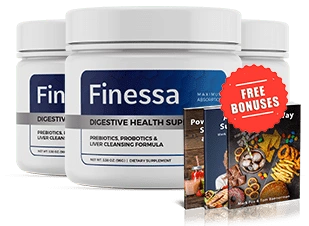
While fiber is undeniably crucial for digestive health, comprehensive well-being often benefits from a synergistic blend of natural ingredients. For those seeking additional support for regularity and overall gut function, natural supplements can offer a gentle, holistic approach. Finessa is formulated with a blend of natural ingredients designed to complement a fiber-rich diet, supporting healthy digestion and regularity.

Psyllium Husk
Role: A potent source of soluble fiber, Psyllium Husk forms a gel in the digestive tract, aiding in softening stool and promoting smooth, comfortable bowel movements. It's renowned for its ability to support regularity without harsh effects.
Typical Dose: 5-10g daily
Dandelion Root
Role: Traditionally used to support liver and gallbladder health, Dandelion Root acts as a gentle diuretic and can stimulate bile production, which is essential for fat digestion and overall digestive flow. It also has mild prebiotic properties.
Typical Dose: 500-1000mg daily
Milk Thistle
Role: Best known for its liver-protective properties, Milk Thistle supports detoxification pathways. A healthy liver is vital for digestion, as it produces bile and processes nutrients, indirectly contributing to balanced gut function.
Typical Dose: 200-400mg silymarin daily
Cascara Sagrada
Role: A natural, gentle stimulant laxative, Cascara Sagrada works by encouraging muscle contractions in the intestines to help move stool along. It's often used for short-term relief of occasional constipation, promoting regularity without harshness.
Typical Dose: 300-1000mg dailyFor a deeper dive into the specific benefits of these and other natural ingredients, you might want to read our article on Finessa's key ingredients like Dandelion, Milk Thistle, and Cascara.
Experience the Difference with Finessa: Your Partner for Digestive Wellness
If you're among the millions struggling to achieve consistent fiber intake or facing the challenges of constipation and digestive irregularity, Finessa offers a thoughtfully crafted solution. Our formula combines a balanced approach to digestive health, supporting natural regularity and gut comfort without harsh side effects. It's designed to complement your efforts to increase dietary fiber, providing that extra layer of gentle, effective support your system might need.
- ✓ Supports natural, gentle bowel movements
- ✓ Promotes a healthy gut environment
- ✓ Made with 100% natural, high-quality ingredients
- ✓ Manufactured in a GMP-certified facility in the USA
- ✓ Backed by a 60-Day Money-Back Guarantee




Real People, Real Results: Stories of Digestive Comfort
"I've struggled with irregularity for years, and trying to get enough fiber from food alone was a constant battle. Finessa has been a gentle yet effective solution. I feel so much lighter and more consistent now. It's truly changed my daily comfort."
"As someone who travels a lot, my digestion often gets thrown off. Finessa has become my go-to for maintaining regularity, even with diet changes. It's gentle, natural, and I haven't experienced any bloating. Highly recommend for anyone needing reliable support."
"I was skeptical at first, but Finessa actually works! I feel less sluggish and my bowel movements are finally regular. It's a fantastic complement to my diet, ensuring I get the comprehensive digestive support I need without harsh chemicals."
Frequently Asked Questions
What's the main difference between soluble and insoluble fiber?
+Soluble fiber dissolves in water to form a gel-like substance, helping to soften stool and regulate blood sugar. Insoluble fiber does not dissolve, adding bulk to stool and speeding up transit time through the digestive tract. Both are crucial for comprehensive gut health.
How much fiber do adults typically need each day?
+Generally, adult women should aim for approximately 25 grams of fiber daily, while adult men should target around 38 grams. However, these are general guidelines; individual needs can vary based on age, activity level, and specific health conditions. It's always best to consult a healthcare professional for personalized advice.
Can fiber help with chronic constipation?
+Absolutely. Fiber is a cornerstone of managing and preventing chronic constipation. Soluble fiber helps soften stool, making it easier to pass, while insoluble fiber adds bulk, stimulating the intestines to move waste along. A balanced intake of both types is key for optimal regularity.
What are the best food sources for soluble fiber?
+Excellent sources of soluble fiber include oats, barley, apples, citrus fruits, carrots, peas, beans, lentils, and psyllium. These foods form a gel in the digestive tract, which can help regulate blood sugar, lower cholesterol, and promote smoother digestion.
Where can I find insoluble fiber in my diet?
+Insoluble fiber is abundant in whole wheat products, wheat bran, nuts, seeds, potatoes with skin, green beans, and cauliflower. These foods add significant bulk to stool and promote regular bowel movements.
When should I consider a fiber supplement like Finessa?
+If you find it challenging to consistently meet your daily fiber requirements through diet alone, or if you're experiencing persistent digestive irregularity such as constipation, a natural supplement like Finessa can be a beneficial addition. It's designed to provide gentle, comprehensive support for your digestive system, working synergistically with a healthy diet.
Related Articles