Are you struggling with digestive irregularity or chronic constipation?
In the vast landscape of health and wellness, few topics have captured as much attention recently as intermittent fasting (IF). Beyond its well-known benefits for weight management and metabolic health, a growing body of research suggests that timed eating patterns can profoundly influence our gut health and overall digestive function.
For millions worldwide, the daily discomfort of constipation and digestive irregularity is a persistent challenge, impacting quality of life and overall well-being. This article delves into how intermittent fasting can be a powerful tool to nurture your gut, optimize digestion, and potentially offer significant relief from these common issues, highlighting the intricate connection between eating patterns and intestinal harmony.

Understanding Intermittent Fasting: More Than Just a Diet
Intermittent fasting (IF) is not a diet in the traditional sense, but rather an eating pattern that cycles between periods of eating and voluntary fasting. It doesn't dictate *what* you eat, but *when* you eat.
Common approaches include the 16/8 method (fasting for 16 hours and eating within an 8-hour window), the 5:2 method (eating normally for five days and restricting calories significantly on two non-consecutive days), or even longer fasts. The core principle is to give your body an extended break from digestion, allowing it to shift from a fed state to a fasted state. In the fed state, your body is busy processing food, absorbing nutrients, and storing energy. In the fasted state, after glycogen stores are depleted, your body begins to burn fat for fuel, a metabolic shift that triggers a cascade of cellular repair processes, including autophagy, which is highly beneficial for cellular health throughout the body, including the gut. This metabolic flexibility is a cornerstone of IF's purported health benefits.
While often associated with weight loss, the therapeutic potential of IF extends far beyond calorie restriction. It influences hormone regulation, gene expression, and cellular function in ways that can profoundly impact various physiological systems, with the digestive system being a primary beneficiary. For individuals experiencing issues like constipation and digestive irregularity, understanding these deeper mechanisms is key to harnessing IF's full potential.
The Gut Microbiome: Your Inner Ecosystem
Before diving into IF's effects, it's crucial to appreciate the complexity and importance of your gut microbiome – the trillions of bacteria, viruses, fungi, and other microorganisms residing in your digestive tract.
This bustling community, often referred to as your "second brain," plays a pivotal role in far more than just digestion. It influences your immune system, synthesizes vitamins, produces essential compounds like short-chain fatty acids (SCFAs), and even impacts your mood and cognitive function. A balanced and diverse microbiome is synonymous with good health, while an imbalance, known as dysbiosis, is linked to numerous chronic conditions, including irritable bowel syndrome (IBS), inflammatory bowel disease (IBD), and metabolic disorders. When the gut microbiome is out of sync, digestive symptoms like bloating, gas, and irregular bowel movements, including constipation, become far more prevalent. Maintaining microbial harmony is therefore paramount for optimal digestive health and overall well-being. Intermittent fasting offers a unique approach to influencing this delicate balance.
💡 Key Takeaway
Intermittent fasting is an eating pattern that involves cycling between eating and fasting periods. It triggers metabolic shifts and cellular repair processes, profoundly influencing the gut microbiome and overall digestive function, offering potential relief for constipation and irregularity.
Direct Impacts of Intermittent Fasting on Gut Health
The periods of fasting provide a unique opportunity for the gut to rest, repair, and rebalance, leading to several direct benefits for its overall health.
Enhances Autophagy and Cellular Repair
During fasting, your body initiates a process called autophagy, a cellular "self-cleaning" mechanism where damaged cells and cellular components are broken down and recycled. This process is vital for maintaining cellular health and can occur in the cells lining your gut. By clearing out old or dysfunctional cells, autophagy supports the regeneration of a healthier, more robust intestinal lining, which is crucial for nutrient absorption and preventing leaky gut syndrome. This cellular renewal can significantly improve the integrity and function of the gastrointestinal tract.
Modulates the Gut Microbiome
Research suggests that IF can lead to beneficial shifts in the composition and diversity of the gut microbiome. Fasting periods can alter the availability of nutrients for gut bacteria, potentially favoring the growth of beneficial species while suppressing less desirable ones. This modulation can increase microbial diversity, enhance the production of beneficial short-chain fatty acids (SCFAs) like butyrate, which nourish gut cells and reduce inflammation, and improve overall gut ecosystem balance. A healthier, more diverse microbiome is better equipped to prevent and manage conditions like constipation and digestive irregularity.
Reduces Gut Inflammation
Chronic low-grade inflammation in the gut is a common underlying factor in many digestive issues. Intermittent fasting has been shown to reduce systemic inflammation by lowering inflammatory markers and promoting anti-inflammatory responses. This reduction in inflammation directly benefits the gut lining, easing irritation, improving barrier function, and potentially alleviating symptoms associated with inflammatory bowel conditions or general digestive discomfort. A calmer gut environment is more conducive to proper digestive function and regularity.
Strengthens Gut Barrier Function
The intestinal barrier, often called the "gut lining," is a critical protective shield that prevents harmful substances from entering the bloodstream. When this barrier becomes compromised (known as "leaky gut"), it can lead to widespread inflammation and various health problems. IF appears to strengthen the integrity of the gut barrier by enhancing tight junctions between intestinal cells and promoting the growth of beneficial mucus-producing bacteria. A stronger gut barrier means better protection and improved digestive health, reducing the likelihood of issues like digestive irregularity.

gentle, natural digestive support.
Indirect Effects of Intermittent Fasting on Digestion
Beyond its direct impact on gut health, IF also indirectly supports digestion through several systemic physiological changes.
Optimizes Gut Motility and MMC
One of the most significant benefits of fasting for digestion, especially for constipation, is its impact on the Migrating Motor Complex (MMC). The MMC is a "housekeeping wave" of electrical activity that sweeps through the digestive tract between meals, clearing out undigested food particles, bacteria, and debris. When you're constantly eating, the MMC rarely gets a chance to activate. Fasting periods allow the MMC to work effectively, preventing stagnation and promoting regular bowel movements. This natural cleansing action is crucial for preventing and relieving constipation and digestive irregularity.
Improves Digestive Enzyme Production
Constant eating puts a continuous demand on your digestive organs to produce enzymes, bile, and stomach acid. Fasting provides a much-needed rest for these organs, allowing them to recover and potentially optimize their function. This "reset" can lead to more efficient production and secretion of digestive enzymes when you do eat, resulting in better breakdown and absorption of nutrients. Improved enzyme function means less undigested food fermenting in the gut, which can reduce bloating and discomfort.
Balances Hormonal Regulation
Intermittent fasting profoundly influences various hormones that play a role in digestion and metabolism. It can improve insulin sensitivity, which is beneficial for overall health and can indirectly support gut function. Fasting also impacts hunger hormones like ghrelin and satiety hormones like leptin, helping to regulate appetite and reduce overeating. A balanced hormonal environment contributes to a more predictable and efficient digestive process, making it easier for the body to maintain regularity.
Supports Liver Detoxification
The liver is a key player in detoxification and bile production, which is essential for fat digestion. During fasting, the liver can shift its focus from processing incoming nutrients to more effectively performing its detoxification roles. This can lead to a more efficient elimination of toxins from the body, which in turn reduces the burden on the digestive system and supports overall gut health. A well-functioning liver contributes significantly to preventing digestive issues.
Intermittent Fasting and Constipation Relief
Given the mechanisms discussed, it's clear why intermittent fasting holds promise as a strategy for alleviating constipation and digestive irregularity.
The enhanced MMC activity during fasting periods is arguably the most direct benefit for regularity. By allowing the gut to perform its natural cleansing cycle, IF helps move stool through the colon more efficiently, preventing the buildup that leads to constipation. Furthermore, the reduction in gut inflammation, improvement in gut barrier function, and modulation of the microbiome all create a healthier internal environment that supports consistent and comfortable bowel movements. Many individuals report a significant improvement in their regularity and a reduction in bloating and discomfort once they adapt to an IF schedule.
However, it's important to approach IF thoughtfully. While some might experience initial changes in bowel habits as their body adjusts, these often normalize over time. Ensuring adequate hydration and consuming a nutrient-dense, fiber-rich diet during eating windows are critical to maximizing IF's benefits for constipation. For those seeking additional support, exploring a gentle bowel support supplement could be beneficial alongside an IF regimen, always in consultation with a healthcare professional.
Practical Considerations for Incorporating IF for Gut Health
While the benefits are compelling, adopting intermittent fasting requires careful consideration and a personalized approach to ensure safety and effectiveness.
Start Slowly: Begin with a shorter fasting window, such as 12 hours, and gradually extend it to 14 or 16 hours as your body adapts. Jumping into long fasts too quickly can lead to discomfort and make it harder to sustain the practice.
Prioritize Nutrient-Dense Foods: During your eating window, focus on whole, unprocessed foods rich in fiber, healthy fats, and lean proteins. Include plenty of fruits, vegetables, legumes, and whole grains to support your gut microbiome and provide essential nutrients. Avoid highly processed foods, excessive sugars, and unhealthy fats, which can counteract the benefits of fasting.
Stay Hydrated: This cannot be stressed enough, especially when addressing constipation. Drink plenty of water throughout the day, including during your fasting window. Herbal teas and black coffee (without sugar or cream) are generally acceptable during fasting periods and can help manage hunger.
Listen to Your Body: Pay attention to how you feel. If you experience excessive fatigue, dizziness, or other adverse symptoms, it might be a sign that IF isn't right for you or that you need to adjust your approach. Not everyone responds to IF in the same way, and what works for one person may not work for another.
Consult a Healthcare Professional: Before starting any new dietary regimen, especially if you have underlying health conditions like diabetes, heart disease, or a history of eating disorders, it's crucial to consult with your doctor or a registered dietitian. Pregnant or breastfeeding women, and individuals on certain medications, should generally avoid intermittent fasting.
Beyond Fasting: Holistic Strategies for Optimal Gut Health
While intermittent fasting can be a powerful tool, it's just one piece of the puzzle for achieving and maintaining optimal gut health and digestive regularity. A holistic approach is always best.
Balanced Diet: Emphasize a diverse range of plant-based foods, including prebiotics (garlic, onions, asparagus, bananas) and probiotics (fermented foods like yogurt, kimchi, sauerkraut) to nourish your gut microbes. Adequate fiber intake is paramount for preventing constipation.
Stress Management: The gut-brain axis means stress directly impacts digestion. Incorporate stress-reducing practices like meditation, yoga, deep breathing exercises, or spending time in nature.
Regular Exercise: Physical activity stimulates gut motility and can significantly improve symptoms of constipation. Aim for at least 30 minutes of moderate exercise most days of the week.
Adequate Sleep: Poor sleep can disrupt the gut microbiome and exacerbate digestive issues. Prioritize 7-9 hours of quality sleep each night.
Consider Targeted Supplements: For those who still struggle with digestive irregularity despite lifestyle changes, certain natural supplements can offer targeted support. This is where products like Finessa come into play. Finessa is formulated with a blend of natural ingredients known for their gentle, yet effective, support for digestive health and regularity. It can be a beneficial addition to a healthy lifestyle, working synergistically with practices like intermittent fasting to promote a balanced gut and smooth digestion. You can learn more about top gut health supplements to find the right fit for your needs.
Finessa: A Natural Approach to Digestive Regularity
Finessa is a premium, all-natural supplement designed to address constipation and digestive irregularity by supporting your body's natural digestive processes. It offers a gentle yet effective solution for those seeking to enhance their gut health.

Psyllium Husk
Role: A soluble fiber that absorbs water, forming a gel that aids in smooth bowel movements and adds bulk to stool, making it easier to pass. It also acts as a prebiotic, feeding beneficial gut bacteria.
Typical Dose: 3-5g daily
Aloe Vera
Role: Known for its soothing properties, Aloe Vera can help calm the digestive tract. It contains compounds that may help stimulate bowel movements and reduce inflammation in the gut, promoting regularity.
Typical Dose: 50-200mg daily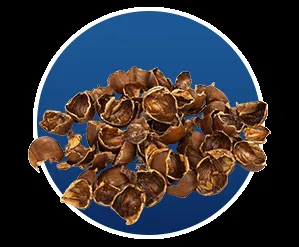
Lactobacillus Acidophilus
Role: A well-known probiotic strain that supports a healthy gut microbiome. It helps balance gut flora, aids in the digestion of lactose, and can improve overall digestive comfort and regularity, especially in cases of dysbiosis.
Typical Dose: 1-10 billion CFUs daily
Flaxseed
Role: Rich in both soluble and insoluble fiber, flaxseed helps soften stool and adds bulk, facilitating easier passage. It also provides omega-3 fatty acids, which have anti-inflammatory benefits for the gut.
Typical Dose: 1-2 tablespoons daily
Senna Leaf
Role: A natural stimulant laxative that works by irritating the bowel lining, causing muscles to contract and push stool through. It's often used for short-term relief of occasional constipation.
Typical Dose: 15-30mg sennosides daily
Cascara Sagrada
Role: Another natural stimulant laxative, similar to senna, that helps promote bowel contractions. It has a long history of traditional use for relieving constipation and supporting regularity.
Typical Dose: 300-1000mg daily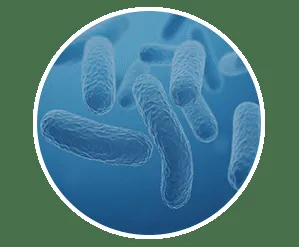
Oat Bran
Role: A highly soluble fiber that adds bulk to stool, making it softer and easier to pass. It also helps to normalize bowel function and can contribute to a healthy gut environment.
Typical Dose: 5-10g daily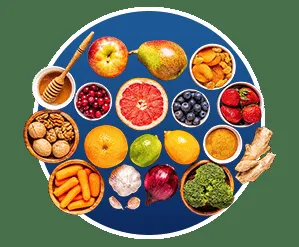
Rhubarb Root
Role: Traditionally used as a laxative, rhubarb root contains compounds that stimulate bowel movements. It can be effective for relieving occasional constipation and supporting digestive transit.
Typical Dose: 200-500mg daily
Experience the Difference with Finessa: Your Path to Digestive Harmony
If you're ready to move past the discomfort of constipation and digestive irregularity, Finessa offers a scientifically-backed, natural solution. Our carefully selected ingredients work synergistically to support your gut's natural rhythm, promoting regular, comfortable bowel movements and overall digestive well-being.
- ✓ Supports Healthy Bowel Movements
- ✓ Promotes a Balanced Gut Microbiome
- ✓ Reduces Bloating and Discomfort
- ✓ 100% Natural, Non-GMO Ingredients
- ✓ Made in an FDA-Registered, GMP-Certified Facility




What Our Customers Are Saying
"I've struggled with chronic constipation for years, trying everything. Finessa has been a game-changer. My digestion is finally regular, and I feel so much lighter and more energetic. Highly recommend!"
"As someone who practices intermittent fasting, I still occasionally dealt with digestive sluggishness. Finessa helped smooth things out without any harsh effects. It's a perfect complement to my routine."
"I was skeptical, but Finessa truly works. No more bloating, and my bowel movements are consistently regular. The natural ingredients give me peace of mind. Thank you, Finessa!"
Frequently Asked Questions
What is intermittent fasting and how does it relate to gut health?
+Intermittent fasting (IF) involves cycling between periods of eating and voluntary fasting. It impacts gut health by promoting cellular repair (autophagy), modulating the gut microbiome, reducing inflammation, and enhancing gut barrier function, all of which contribute to better digestion.
Can intermittent fasting help with constipation?
+Yes, IF can often help alleviate constipation. The fasting period allows the Migrating Motor Complex (MMC) to effectively "sweep" the digestive tract, promoting regular bowel movements. It also gives the digestive system a rest, which can improve overall function and regularity.
What are the potential negative effects of intermittent fasting on digestion?
+While generally beneficial, some individuals may experience temporary side effects like bloating, gas, or changes in bowel habits during the initial adjustment phase. Improper hydration or poor food choices during eating windows can also negate benefits. It's crucial to listen to your body and consult a doctor if concerns arise.
How does the gut microbiome change during intermittent fasting?
+Research suggests IF can lead to positive shifts in the gut microbiome. It may increase the diversity of beneficial bacteria, reduce pathogenic strains, and enhance the production of short-chain fatty acids (SCFAs) which are vital for gut health and immune function.
Is Finessa suitable for use with an intermittent fasting regimen?
+Finessa is designed to support digestive regularity and gut health with natural ingredients. It can complement an intermittent fasting regimen by providing gentle support for bowel movements and overall digestive function, especially if you're experiencing digestive irregularity. Always check with a healthcare professional.
How long does it take to see digestive improvements from intermittent fasting?
+The timeline for seeing improvements varies greatly among individuals. Some may notice changes in bowel regularity or reduced bloating within a few weeks, while for others, it might take a month or two for the gut microbiome to adapt and significant benefits to manifest. Consistency and a healthy diet during eating windows are key.
Related Articles