Are Your Persistent Digestive Issues a Sign of a Deeper Problem?
Many people experience chronic digestive complaints like bloating, gas, and especially constipation or irregular bowel movements, often dismissing them as "normal" or due to aging. However, these symptoms could be red flags pointing to an underlying condition known as Leaky Gut Syndrome.
Understanding Leaky Gut Syndrome is the first step toward reclaiming your digestive comfort and overall well-being. This condition, also known as increased intestinal permeability, has gained significant attention in recent years for its profound impact on health, extending far beyond just the gut, and specifically contributing to constipation and digestive irregularity.
What Exactly is Leaky Gut Syndrome?
Your gut lining is a sophisticated barrier, much like a fine-mesh net, designed to allow essential nutrients to pass into your bloodstream while keeping harmful substances out. This barrier is made up of a single layer of cells connected by "tight junctions."
In a healthy gut, these tight junctions act as gatekeepers, regulating what enters your body. However, when these junctions become loose or "leaky," the intestinal barrier becomes compromised. This allows undigested food particles, toxins, bacteria, and other waste products to pass through into your bloodstream. Your immune system then identifies these foreign invaders and mounts an attack, leading to chronic inflammation not just in the gut, but throughout the entire body. This persistent immune response and inflammation are central to the wide array of symptoms associated with Leaky Gut Syndrome, often manifesting as issues like constipation and digestive irregularity.
The Intestinal Barrier: Your Body's First Line of Defense
Imagine your gut lining as the inner skin of your body, covering an area equivalent to a tennis court. It's constantly exposed to everything you consume. A healthy barrier is crucial for nutrient absorption, immune defense, and preventing toxins from entering systemic circulation. When this barrier is compromised, it's not just about what gets in, but also about what doesn't get properly absorbed. This can lead to nutritional deficiencies, even if you're eating a healthy diet, further exacerbating symptoms and impacting overall health.
💡 Key Takeaway
Leaky Gut Syndrome occurs when the gut's protective barrier becomes permeable, allowing toxins and undigested food into the bloodstream, triggering widespread inflammation and a cascade of health issues, including chronic digestive irregularity and constipation.
Common Causes of Leaky Gut Syndrome
Leaky gut is not a sudden occurrence but rather the result of a cumulative effect of various factors that erode the integrity of your intestinal lining over time. Identifying these triggers is crucial for effective healing and prevention.
Understanding the root causes is the first step in addressing Leaky Gut Syndrome and its associated symptoms, particularly when dealing with persistent constipation and digestive irregularity. Many of these factors are intertwined, creating a vicious cycle that can be challenging to break without a targeted approach.
1. Poor Diet & Inflammatory Foods
The modern Western diet is a major culprit. Foods high in sugar, refined carbohydrates, unhealthy fats, and processed ingredients can feed harmful bacteria, promote inflammation, and directly damage the gut lining. Gluten, a protein found in wheat, barley, and rye, is a known trigger for increased intestinal permeability in sensitive individuals, even those without celiac disease. Dairy can also be problematic for many. These foods contribute to a hostile gut environment, making it difficult for tight junctions to maintain their integrity.
2. Chronic Stress
The gut-brain axis is a powerful connection. Chronic psychological stress can significantly impact gut function. Stress hormones can alter the gut microbiome, slow down digestion, and weaken the intestinal barrier, making it more susceptible to damage. This can directly contribute to digestive issues like constipation, as stress can reduce gut motility and increase inflammation.
3. Medications
Certain medications, while necessary, can have detrimental effects on gut health. Non-steroidal anti-inflammatory drugs (NSAIDs) like ibuprofen, antibiotics, and proton pump inhibitors (PPIs) can disrupt the gut microbiome, irritate the gut lining, and increase intestinal permeability. Repeated use of antibiotics, in particular, can decimate beneficial gut bacteria, leading to dysbiosis and a weakened barrier.
4. Environmental Toxins
We are constantly exposed to toxins in our environment, from pesticides in food to pollutants in the air and chemicals in household products. These toxins can place a heavy burden on the liver and gut, contributing to inflammation and damage to the intestinal lining. Over time, this constant exposure can weaken the gut barrier, making it more permeable.
5. Gut Dysbiosis
An imbalance between beneficial and harmful bacteria in the gut, known as dysbiosis, is a key driver of leaky gut. When bad bacteria outnumber good bacteria, they can produce toxins that damage the intestinal lining and trigger inflammation. This imbalance also compromises the production of short-chain fatty acids (SCFAs) like butyrate, which are vital for maintaining a healthy gut barrier and promoting regular bowel movements.
6. Infections & Overgrowths
Chronic infections, such as yeast overgrowth (Candida), small intestinal bacterial overgrowth (SIBO), or parasitic infections, can directly damage the gut lining and contribute to leaky gut. These pathogens release toxins and inflame the intestinal wall, loosening tight junctions and exacerbating symptoms of digestive irregularity.
7. Nutrient Deficiencies
Specific nutrients are essential for maintaining the integrity of the gut lining. Deficiencies in vitamins A and D, zinc, L-glutamine, and omega-3 fatty acids can impair the gut's ability to repair itself and maintain a strong barrier. For example, zinc is critical for tight junction integrity, and its deficiency can directly contribute to increased permeability.
Symptoms of Leaky Gut Syndrome: More Than Just Digestion
The symptoms of leaky gut are incredibly diverse and can manifest far beyond the digestive tract, often making it difficult to pinpoint the root cause. This is because the inflammation and immune reactions triggered by a leaky gut can affect nearly every system in the body.
While many symptoms are systemic, we will specifically highlight how leaky gut contributes to constipation and digestive irregularity, a common and often debilitating complaint that brings many individuals to seek answers. Recognizing these signs is crucial for identifying the problem and taking proactive steps towards healing.
Chronic Digestive Issues
This is where leaky gut often makes its presence most known. Symptoms include persistent bloating, gas, abdominal pain, diarrhea, and critically, chronic constipation and digestive irregularity. The inflamed gut lining struggles to process food efficiently, leading to slow transit times and difficult bowel movements. Irritable Bowel Syndrome (IBS) is often linked to underlying leaky gut.
Fatigue & Low Energy
When your gut is constantly inflamed and your immune system is overactive, it drains your body's energy reserves. Furthermore, poor nutrient absorption due to a compromised gut lining can lead to deficiencies that manifest as persistent tiredness, regardless of how much you sleep.
Brain Fog & Mood Disorders
The gut-brain axis means gut inflammation can directly impact cognitive function. Toxins entering the bloodstream can cross the blood-brain barrier, leading to "brain fog," difficulty concentrating, memory problems, anxiety, and depression. The gut also produces neurotransmitters, and dysbiosis can disrupt this balance.
Skin Problems
Your skin is often a mirror of your gut health. Inflammatory skin conditions like acne, eczema, psoriasis, and rosacea are frequently associated with leaky gut. When toxins leak into the bloodstream, the body tries to eliminate them through other routes, including the skin, leading to inflammation and breakouts.
Food Sensitivities & Allergies
When undigested food particles leak into the bloodstream, the immune system may mistakenly identify them as threats, leading to new or increased food sensitivities and allergic reactions. You might notice adverse reactions to foods you once tolerated without issue.
Joint Pain & Autoimmune Conditions
The systemic inflammation caused by leaky gut can manifest as joint pain and muscle aches. Furthermore, leaky gut is strongly implicated in the development and exacerbation of various autoimmune diseases, such as Hashimoto's thyroiditis, rheumatoid arthritis, and lupus, as the immune system becomes overstimulated and begins attacking the body's own tissues.
The Direct Link to Constipation and Digestive Irregularity
While leaky gut can cause a myriad of symptoms, its impact on bowel regularity is particularly pronounced and often overlooked as a root cause of chronic constipation.
Many people suffering from persistent constipation and digestive irregularity try various remedies without addressing the underlying gut barrier dysfunction. Here's how leaky gut directly contributes to these challenging symptoms:
Inflammation Disrupts Motility
Chronic inflammation in the gut, a hallmark of leaky gut, can disrupt the intricate nerve and muscle coordination required for healthy peristalsis – the wave-like contractions that move food through your digestive tract. This slowdown leads to longer transit times, allowing more water to be absorbed from stool, resulting in hard, dry, and difficult-to-pass bowel movements.
Dysbiosis Impairs Bowel Function
Leaky gut is almost always accompanied by gut dysbiosis, an imbalance of gut bacteria. Beneficial bacteria play a crucial role in producing short-chain fatty acids (SCFAs) like butyrate, which nourish colon cells and promote healthy gut motility. When harmful bacteria dominate, they can produce toxins that further irritate the gut lining and interfere with normal bowel function, contributing to both diarrhea and constipation.
Reduced Nutrient Absorption
A compromised gut lining means impaired absorption of essential nutrients, including those vital for proper digestive function. Magnesium, for example, is a natural laxative that helps relax intestinal muscles and draw water into the colon. If leaky gut prevents adequate magnesium absorption, it can exacerbate constipation. Similarly, a lack of dietary fiber, often due to food sensitivities or avoidance in a leaky gut diet, can worsen irregularity.
For more insights on managing constipation, you might find our article on how to relieve constipation naturally through diet and habits helpful.
Natural Healing Strategies for Leaky Gut Syndrome
Healing leaky gut requires a comprehensive and holistic approach, focusing on removing triggers, repairing the gut lining, and restoring balance to the microbiome. This isn't a quick fix, but a commitment to long-term digestive health.
The "4R" approach is a widely recognized framework for addressing leaky gut:
Remove: Eliminate Triggers
The first step is to identify and remove foods and factors that are damaging your gut. This typically involves an elimination diet to identify food sensitivities (common culprits include gluten, dairy, sugar, soy, and processed foods). It also means reducing exposure to environmental toxins, managing stress, and, when possible, avoiding unnecessary medications like NSAIDs and antibiotics that disrupt gut health.
Replace: Restore Digestive Function
Once irritants are removed, the next step is to replace what's missing to optimize digestion. This may include supplementing with digestive enzymes to help break down food more efficiently, especially if you have low stomach acid. Betaine HCl can be helpful for those with insufficient stomach acid, which is crucial for nutrient absorption and pathogen defense. Adequate stomach acid also helps prevent food from sitting too long and fermenting, reducing bloating and aiding transit.
Repair: Heal the Gut Lining
This phase focuses on providing the gut with the essential nutrients it needs to rebuild and strengthen its barrier. Key nutrients include L-glutamine, a primary fuel source for intestinal cells; collagen or gelatin, which provides amino acids for tissue repair; zinc, critical for tight junction integrity; and omega-3 fatty acids, known for their anti-inflammatory properties. Herbs like slippery elm and marshmallow root can also soothe and protect the gut lining.
Reinoculate: Rebalance the Microbiome
Restoring a healthy balance of gut bacteria is vital. This involves consuming probiotic-rich foods (fermented vegetables, kombucha, kefir) and taking high-quality probiotic supplements to introduce beneficial bacteria. Prebiotic foods (garlic, onions, asparagus, bananas) or supplements provide fuel for these good bacteria to thrive. A diverse and robust microbiome is essential for maintaining gut barrier integrity and preventing dysbiosis, thereby improving constipation and digestive irregularity.
Lifestyle: Support Overall Wellness
Beyond the 4Rs, integrating healthy lifestyle practices is non-negotiable. Prioritizing quality sleep, engaging in regular moderate exercise, and implementing stress-reduction techniques like meditation or yoga are crucial. These factors profoundly influence gut health, immune function, and the body's ability to heal. A holistic approach ensures that all aspects of your well-being contribute to a strong, resilient gut.
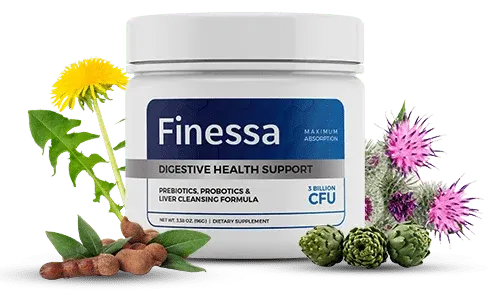
Finessa: A Targeted Approach to Gut Health Support
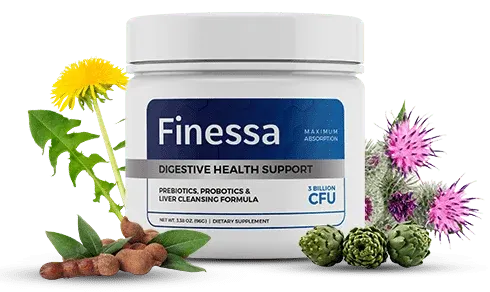
While diet and lifestyle changes are paramount, sometimes the gut needs extra support to accelerate the healing process. This is where a high-quality supplement designed to address the multiple facets of gut health can be incredibly beneficial. Finessa is formulated to provide comprehensive support for individuals seeking to repair their gut lining, rebalance their microbiome, and alleviate symptoms like constipation and digestive irregularity.
Finessa integrates several key ingredients known for their roles in gut repair, inflammation reduction, and microbiome support. It's designed to complement your dietary and lifestyle efforts, offering a targeted approach to fostering a healthier gut environment. For those looking for a comprehensive solution, Finessa can be a valuable addition to your gut healing journey. You can learn more about how it works to support a healthy gut by visiting our gut cleanse and restore supplement page.
Key Ingredients in Finessa for Gut Healing
Finessa's formula is crafted with a blend of natural ingredients, each selected for its scientifically recognized role in supporting gut barrier integrity, reducing inflammation, and promoting a balanced microbiome.

L-Glutamine
Role: An essential amino acid, L-Glutamine is the primary fuel source for the cells lining your intestines. It plays a critical role in repairing and maintaining the integrity of the gut barrier, helping to seal "leaky" junctions and reduce intestinal permeability.
2000-5000 mg/day
N-Acetyl Cysteine (NAC)
Role: A precursor to glutathione, the body's master antioxidant. NAC helps reduce oxidative stress and inflammation in the gut, supporting cellular health and detoxification pathways that are vital for gut repair. It also helps break down biofilm produced by harmful bacteria.
600-1800 mg/day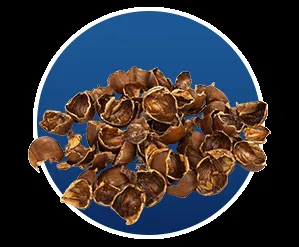
Zinc Carnosine
Role: This unique chelated form of zinc is highly effective at healing the gut lining. Zinc is crucial for the formation and maintenance of tight junctions, directly strengthening the intestinal barrier. Carnosine provides additional soothing and protective benefits.
75 mg/day (Elemental Zinc: 17 mg)
Slippery Elm Bark
Role: A demulcent herb that forms a protective, soothing layer over inflamed mucous membranes in the digestive tract. It helps reduce irritation, promotes healing, and can be particularly beneficial for relieving symptoms of both diarrhea and constipation by promoting healthy stool consistency.
500-1000 mg/day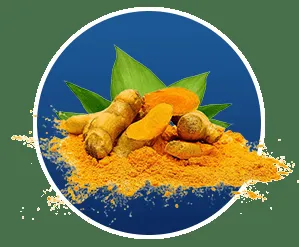
Marshmallow Root
Role: Similar to slippery elm, marshmallow root contains mucilage that coats and soothes the digestive tract. It reduces inflammation, aids in tissue repair, and supports the integrity of the gut lining, offering relief from irritation and promoting comfortable bowel movements.
500-1000 mg/day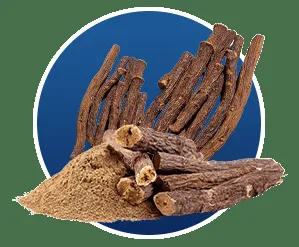
Aloe Vera Leaf
Role: Known for its anti-inflammatory and healing properties, aloe vera can soothe the gut lining, reduce irritation, and support cellular regeneration. It also has mild laxative effects, helping to alleviate constipation and promote regularity without harsh stimulation.
50-200 mg (inner leaf extract)
Licorice Root (DGL)
Role: Deglycyrrhizinated Licorice (DGL) supports the integrity of the stomach and intestinal lining by stimulating the production of protective mucus. It helps heal ulcers and reduce inflammation, contributing to a stronger gut barrier and improved digestive comfort.
300-600 mg/day
Probiotic Blend
Role: A diverse blend of beneficial bacteria strains helps to rebalance the gut microbiome. Probiotics compete with harmful pathogens, produce beneficial compounds (like SCFAs), and strengthen the gut barrier. This blend is crucial for improving digestion, reducing inflammation, and addressing digestive irregularity.
10-50 Billion CFU
Take Control of Your Gut Health with Finessa
Don't let leaky gut and chronic digestive issues like constipation hold you back any longer. Finessa is a meticulously crafted supplement designed to support the natural healing of your gut lining and restore digestive harmony.
- ✓ Supports Gut Barrier Repair
- ✓ Promotes Healthy Digestion & Regularity
- ✓ Reduces Gut Inflammation
- ✓ Balances Gut Microbiome
- ✓ All-Natural & Non-GMO Ingredients




What Our Customers Are Saying
"I've struggled with chronic constipation and bloating for years. After trying Finessa for a few months, I've noticed a significant improvement in my regularity and overall digestive comfort. It feels like my gut is finally healing!"
"My energy levels were always low, and I had constant brain fog. My doctor suggested leaky gut might be the cause. Finessa was recommended, and I'm amazed at the difference. My digestion is smoother, and I feel clearer and more vibrant."
"I was skeptical, but the ingredients in Finessa really impressed me. I've been diligent with my diet, and adding Finessa has truly helped with my food sensitivities and the occasional digestive irregularity. It's a game-changer for my gut health."
Frequently Asked Questions
What exactly is Leaky Gut Syndrome?
+Leaky Gut Syndrome, or increased intestinal permeability, occurs when the tight junctions in your intestinal lining become compromised. This allows undigested food particles, toxins, and microbes to 'leak' into your bloodstream, triggering immune responses and widespread inflammation throughout the body.
How does leaky gut contribute to constipation?
+Leaky gut can lead to constipation through several mechanisms. The chronic inflammation it causes can disrupt normal gut motility. Additionally, imbalances in gut bacteria (dysbiosis), which often accompany leaky gut, can impair the production of compounds that promote healthy bowel movements. Poor nutrient absorption and increased systemic inflammation also play a role in digestive irregularity.
What are the primary causes of leaky gut?
+Key causes include a diet high in processed foods, sugar, and inflammatory ingredients like gluten; chronic stress; overuse of certain medications such as NSAIDs and antibiotics; exposure to environmental toxins; and an imbalance of gut bacteria (dysbiosis). Infections and nutrient deficiencies can also contribute.
Can diet alone heal leaky gut?
+While diet is a cornerstone of healing leaky gut, it's often not the sole solution. An anti-inflammatory diet rich in whole, unprocessed foods, fermented foods, and gut-healing nutrients is crucial. However, addressing other factors like stress, sleep, and sometimes incorporating targeted supplements for repair and rebalancing is often necessary for comprehensive healing.
How long does it take to heal leaky gut naturally?
+The timeline for healing leaky gut varies significantly depending on the severity of the condition, individual commitment to lifestyle changes, and the presence of underlying health issues. It can range from a few months to over a year. Consistency in diet, stress management, and targeted supplementation is key to seeing lasting improvement.
When should I consider a supplement like Finessa for leaky gut?
+A supplement like Finessa can be considered as part of a comprehensive healing strategy, especially if you're experiencing persistent digestive issues like constipation and are looking for targeted support. It's designed to provide key nutrients and probiotics that help repair the gut lining and rebalance the microbiome. Always consult with a healthcare professional to ensure it's appropriate for your specific needs.
Related Articles