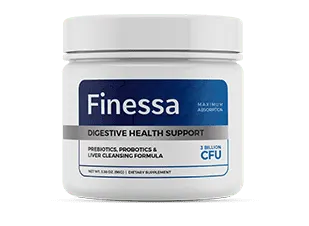
Struggling with Constipation and Irregular Digestion?
You're not alone. Millions of Americans experience the discomfort and frustration of digestive irregularity, ranging from occasional constipation to chronic issues that impact daily life. A healthy digestive system is foundational to overall well-being, influencing everything from energy levels to mood and immunity.
But what if the key to consistent, comfortable digestion lies in a powerful partnership within your gut? Enter the dynamic duo: probiotics and prebiotics. These two components work synergistically to cultivate an optimal gut microbiome, which is essential for smooth, regular bowel movements and alleviating the discomfort of constipation.
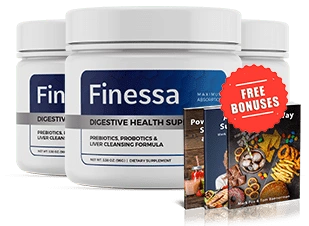
Understanding Your Gut Microbiome: The Foundation of Health
Before diving into probiotics and prebiotics, it's vital to grasp the concept of your gut microbiome. This intricate ecosystem consists of trillions of microorganisms—bacteria, viruses, fungi, and other microbes—that reside primarily in your large intestine.
Far from being mere passengers, these microbes play a profound role in your health. They assist in food digestion, nutrient absorption, vitamin synthesis, and even modulate your immune system and mood. A diverse and balanced microbiome, rich in beneficial bacteria, is the cornerstone of optimal digestive function. When this balance is disrupted, often by factors like poor diet, stress, antibiotics, or illness, it can lead to various digestive woes, including the persistent problem of constipation and digestive irregularity.
Maintaining this delicate balance is crucial, and that's where the targeted support of probiotics and prebiotics comes into play. They are not just trending health terms; they are fundamental components in nurturing a flourishing internal environment that supports efficient digestion and nutrient utilization.
💡 Key Takeaway
Your gut microbiome is a complex community of microorganisms essential for digestion, immunity, and overall health. An imbalance in this ecosystem is a primary contributor to digestive issues like constipation.
Probiotics: The Friendly Forces for Your Gut
Simply put, probiotics are live microorganisms, usually bacteria or yeasts, that provide health benefits when consumed in adequate amounts. Think of them as reinforcements for your gut's existing army of good bacteria.
When you introduce probiotics into your system, they help to restore and maintain a healthy balance of gut flora. This is particularly important when your gut has been compromised by factors such as antibiotic use, which can wipe out both good and bad bacteria, or by a diet lacking in beneficial microbes. The impact of probiotics extends beyond just balancing bacteria; they actively participate in various digestive processes.
For individuals grappling with constipation and digestive irregularity, probiotics offer several mechanisms of relief. Certain strains can help to:
- Improve Gut Motility: Probiotics can influence the speed at which food moves through your digestive tract, helping to prevent stool from becoming hard and difficult to pass.
- Soften Stool: By altering the gut environment and producing beneficial compounds, some probiotics can increase water content in the stool, making it softer and easier to eliminate.
- Produce Short-Chain Fatty Acids (SCFAs): These beneficial compounds, such as butyrate, acetate, and propionate, are produced when probiotics ferment dietary fiber. SCFAs not only nourish colon cells but also stimulate bowel movements.
- Reduce Inflammation: An inflamed gut can contribute to digestive discomfort and irregularity. Probiotics can help soothe the gut lining, fostering a healthier environment for digestion.
Common probiotic strains found in supplements and fermented foods include species from the Lactobacillus and Bifidobacterium genera, each offering unique benefits to the host. Research continues to uncover the specific advantages of different strains for various digestive conditions.
Prebiotics: Fueling Your Gut's Inner Garden
If probiotics are the seeds of a healthy gut garden, then prebiotics are the nutrient-rich soil that helps them grow and thrive. Prebiotics are specialized plant fibers that are not digestible by human enzymes but serve as food for the beneficial bacteria in your gut.
These non-digestible fibers pass through your upper digestive tract intact, reaching the large intestine where your gut microbes reside. Once there, your beneficial bacteria ferment these prebiotics, using them as a primary energy source. This fermentation process is incredibly beneficial, leading to the proliferation of good bacteria and the production of important metabolites like short-chain fatty acids (SCFAs).
The role of prebiotics in combating constipation and digestive irregularity is multifaceted:
- Nourishing Beneficial Bacteria: By selectively feeding good bacteria, prebiotics help increase their numbers and activity, strengthening the overall gut microbiome.
- Increasing Stool Bulk: As fibers, prebiotics add bulk to stool, which can stimulate bowel contractions and facilitate easier passage.
- Drawing Water into the Colon: Some prebiotics are osmotic, meaning they draw water into the colon, helping to soften stool and ease its movement through the digestive tract.
- Enhancing SCFA Production: The fermentation of prebiotics by gut bacteria leads to a higher production of SCFAs, which are vital for colon health, gut barrier integrity, and stimulating peristalsis (the muscular contractions that move food through the intestines).
Common dietary sources of prebiotics include foods rich in fiber such as chicory root, garlic, onions, leeks, asparagus, bananas, apples, and whole grains. However, for targeted support, particularly in addressing chronic digestive issues, prebiotic supplements often provide a more concentrated and consistent dose. Understanding the importance of both components is key to a truly holistic approach to gut health.
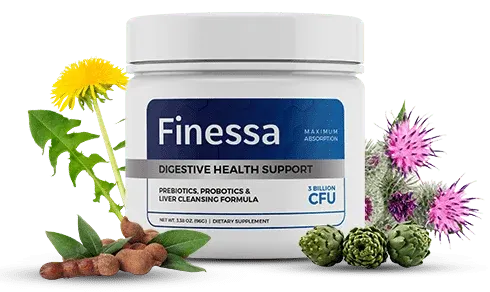
The Gut Health Dynamic Duo: Why Probiotics and Prebiotics Work Better Together
While both probiotics and prebiotics offer significant benefits individually, their true power lies in their synergy. This combination is often referred to as 'synbiotics' and represents a more comprehensive strategy for gut health optimization.
Imagine trying to plant a garden. You wouldn't just scatter seeds (probiotics) on barren ground; you'd prepare the soil (prebiotics) to ensure those seeds have the best chance to sprout and flourish. In the same way, providing your gut with both beneficial bacteria and the specific nutrients they need to thrive creates an environment where your microbiome can truly excel.
Here's why this dynamic duo is so effective for addressing constipation and digestive irregularity:
- Enhanced Survival and Growth: Prebiotics protect probiotics from the harsh acidic environment of the stomach, helping more live bacteria reach the colon. Once there, prebiotics provide the necessary fuel for these probiotics to colonize and multiply effectively.
- Broader Spectrum of Benefits: By supporting both the introduction of new beneficial bacteria and the nourishment of existing ones, synbiotics offer a wider range of positive impacts on gut function. This holistic approach can lead to more robust improvements in bowel regularity, stool consistency, and overall digestive comfort.
- Sustainable Gut Health: Instead of just temporarily introducing bacteria, the combination fosters a sustainable, self-sufficient ecosystem where beneficial microbes can maintain their numbers and activity long-term, reducing the likelihood of recurring digestive issues.
This synergistic relationship is particularly crucial when dealing with persistent problems like constipation. By ensuring the longevity and efficacy of the good bacteria, probiotics and prebiotics together create a more resilient and functional digestive system. This not only helps to alleviate current symptoms but also builds a stronger foundation for future digestive wellness.
Common Causes of Constipation and Digestive Irregularity
Understanding the root causes of constipation is the first step toward effective management. While the gut microbiome plays a central role, various factors can contribute to irregular bowel movements and discomfort.
Dietary Habits
A diet low in fiber, inadequate fluid intake, and a high consumption of processed foods can significantly slow down digestion, leading to hard, difficult-to-pass stools. Lack of whole foods deprives beneficial gut bacteria of essential prebiotics.
Lifestyle Factors
Sedentary lifestyles, lack of physical activity, and ignoring the urge to have a bowel movement can all contribute to constipation. Travel and changes in routine can also disrupt regular bowel habits.
Medications & Health Conditions
Certain medications, such as opioids, antidepressants, iron supplements, and antihistamines, can cause constipation as a side effect. Underlying health conditions like irritable bowel syndrome (IBS), hypothyroidism, and diabetes can also impact bowel regularity.
Stress & Gut-Brain Axis
The gut and brain are intimately connected via the gut-brain axis. High stress levels can alter gut motility, increase gut permeability, and disrupt the delicate balance of the gut microbiome, manifesting as digestive irregularity.
Addressing these factors, alongside supporting your gut microbiome with probiotics and prebiotics, offers a comprehensive strategy for achieving lasting digestive relief. For more in-depth information on managing digestive issues, you might find our article on the best supplements for bloating and digestive irregularity helpful.
5 Ways Probiotics and Prebiotics Improve Digestive Health
The combined power of probiotics and prebiotics offers a holistic approach to nurturing your digestive system, leading to profound improvements in regularity and overall comfort.
Promote Regular Bowel Movements
By balancing gut flora and improving gut motility, this dynamic duo helps normalize stool frequency and consistency. Probiotics contribute to better transit time, while prebiotics add bulk and moisture, making bowel movements smoother and more predictable. This directly addresses the core issue of constipation.
Reduce Bloating and Gas
An imbalanced microbiome can lead to excessive gas production and bloating. Probiotics help restore balance, reducing the presence of gas-producing bacteria. Prebiotics, by feeding beneficial flora, further support a healthier fermentation process, leading to less discomfort and a flatter stomach.
Enhance Nutrient Absorption
A healthy gut lining, supported by a balanced microbiome, is crucial for absorbing essential vitamins and minerals from your food. Probiotics and prebiotics work to maintain gut barrier integrity, ensuring your body can efficiently utilize the nutrients it needs, contributing to overall vitality.
Strengthen Immune Function
Given that a significant portion of the immune system resides in the gut, a healthy microbiome is synonymous with robust immunity. Probiotics modulate immune responses, while prebiotics strengthen the gut barrier, preventing harmful substances from entering the bloodstream and supporting the body's natural defenses.
Support Gut-Brain Axis Communication
The intricate connection between the gut and the brain means that a healthy gut can positively influence mood and cognitive function. Probiotics and prebiotics can help reduce systemic inflammation and produce neuroactive compounds, potentially easing stress and anxiety often associated with chronic digestive issues.
Dietary Sources: Incorporating Probiotics and Prebiotics Into Your Diet
While supplements offer a targeted approach, integrating probiotic-rich and prebiotic-rich foods into your daily diet is an excellent way to support long-term gut health and manage constipation and digestive irregularity.
Probiotic-rich Foods: These foods contain live, beneficial cultures.
- Yogurt and Kefir: Fermented dairy products are common sources. Look for labels that state "live and active cultures."
- Sauerkraut: Fermented cabbage, rich in various lactic acid bacteria.
- Kimchi: A spicy Korean fermented cabbage dish, offering a diverse array of probiotics.
- Tempeh and Miso: Fermented soybean products, excellent plant-based sources.
- Kombucha: A fermented tea beverage that contains a variety of bacteria and yeasts.
Prebiotic-rich Foods: These foods contain non-digestible fibers that feed your gut bacteria.
- Chicory Root: A concentrated source of inulin, a powerful prebiotic fiber.
- Garlic and Onions: Contain fructans, which are excellent prebiotics.
- Leeks and Asparagus: Also good sources of fructans.
- Bananas: Especially slightly green bananas, which are rich in resistant starch.
- Apples: Contain pectin, a soluble fiber that acts as a prebiotic.
- Oats and Barley: Whole grains that provide beta-glucan, a prebiotic fiber.
Incorporating a variety of these foods into your diet regularly can significantly contribute to a healthy and diverse gut microbiome. However, for those with persistent digestive issues or a compromised gut, dietary changes alone might not be sufficient to provide the therapeutic levels of probiotics and prebiotics needed for optimal relief. This is where high-quality supplements can bridge the gap, offering concentrated and consistent doses.
When to Consider Supplementation: A Targeted Approach
While diet is foundational, there are instances where supplementation with probiotics and prebiotics becomes a crucial and highly effective strategy, particularly for persistent constipation and digestive irregularity.
Dietary sources can be inconsistent in their microbial content, and the specific strains or quantities needed to address particular health concerns may not be readily available through food alone. This is where a targeted supplement, like Finessa, can make a significant difference. Supplements offer:
- Concentrated Doses: Providing specific, clinically studied strains of probiotics in high enough colony-forming units (CFUs) to exert a therapeutic effect.
- Specific Strains: Formulations can include strains known for their efficacy in improving gut motility and relieving constipation, such as various species of Lactobacillus and Bifidobacterium.
- Prebiotic Synergy: Many quality supplements combine probiotics with well-researched prebiotics (like FOS or inulin) to ensure the beneficial bacteria have the fuel they need to thrive, creating a powerful synbiotic effect.
- Convenience and Consistency: A daily supplement ensures consistent intake, removing the guesswork from dietary variations.
If you're experiencing chronic constipation, frequent bloating, or general digestive discomfort that doesn't fully resolve with dietary adjustments, a high-quality probiotic and prebiotic supplement could be a game-changer. It provides your gut with the exact tools it needs to rebalance, strengthen, and perform optimally. For more details on how specific supplements can aid digestion, consider reading our article on the best supplement for regular bowel movements.
💡 Key Takeaway
For persistent constipation and digestive irregularity, supplementing with a high-quality synbiotic (probiotic + prebiotic) formula can provide targeted, consistent, and concentrated support that dietary changes alone might not achieve.
Finessa: A Comprehensive Blend for Digestive Relief
Finessa is formulated with a powerful combination of clinically researched probiotic strains and effective prebiotic fibers, alongside soothing herbal extracts, to provide comprehensive support for digestive regularity and comfort. Here are some of the key ingredients that make Finessa a standout solution:

Lactobacillus Acidophilus
Role: A well-known probiotic strain that supports the balance of beneficial bacteria in the gut, aids in lactose digestion, and helps alleviate digestive discomfort. It's crucial for maintaining a healthy intestinal environment.
Typically 1-10 Billion CFUs
Bifidobacterium Lactis
Role: A robust probiotic often studied for its ability to improve bowel regularity and reduce constipation. It helps in the breakdown of dietary fiber and supports immune function within the gut.
Typically 1-5 Billion CFUs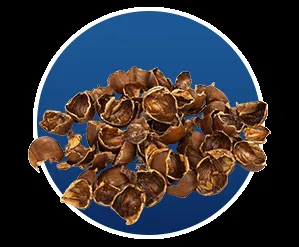
Bacillus Subtilis
Role: A spore-forming probiotic that is highly resilient to stomach acid and bile, ensuring it reaches the intestines alive. It supports gut barrier integrity and helps maintain a balanced microbiome, which is vital for smooth digestion.
Typically 0.5-2 Billion CFUs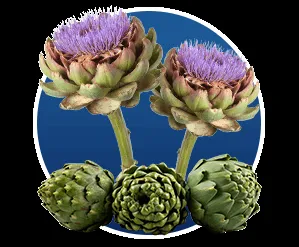
Fructooligosaccharides (FOS)
Role: A well-researched prebiotic fiber that selectively feeds beneficial gut bacteria, particularly Bifidobacteria. FOS helps increase stool bulk and water content, aiding in the relief of constipation and promoting a healthy microbial balance.
Typically 2-5 grams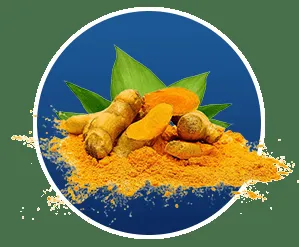
Inulin
Role: Another powerful prebiotic fiber derived from chicory root. Inulin supports the growth of healthy gut bacteria, contributes to increased stool frequency, and helps to soften stool, making it easier to pass.
Typically 3-10 grams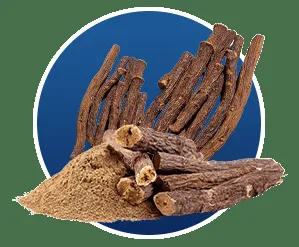
Psyllium Husk
Role: A bulk-forming fiber that absorbs water in the gut, forming a gel-like substance that adds volume to stool. This helps stimulate bowel movements and provides gentle relief from constipation, contributing to overall regularity.
Typically 5-10 grams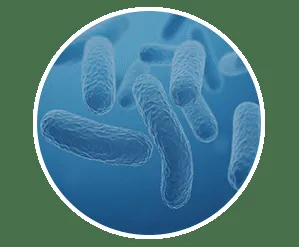
Marshmallow Root
Role: An herbal extract known for its mucilaginous properties, meaning it forms a protective, soothing layer over mucous membranes. It helps calm irritation in the digestive tract and can ease the passage of stool, providing comfort.
Typically 500-1000 mg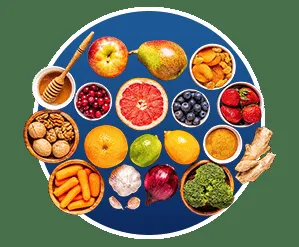
Slippery Elm Bark
Role: Similar to marshmallow root, slippery elm bark contains mucilage that can soothe and protect the digestive lining. It helps to lubricate the bowel and facilitate smoother transit, reducing strain and discomfort associated with constipation.
Typically 500-1500 mgThis carefully selected blend ensures that Finessa not only introduces beneficial bacteria but also nourishes them, while simultaneously providing natural support to ease digestive discomfort and promote consistent regularity. For an honest evaluation of the product's effectiveness, you can read a detailed Finessa review: Does it work?
Transform Your Digestive Health with Finessa
Don't let constipation and digestive irregularity control your life any longer. Finessa offers a scientifically formulated blend of powerful probiotics, essential prebiotics, and natural digestive aids designed to restore balance, promote regularity, and bring you lasting comfort. It's time to feel lighter, more energetic, and truly in sync with your body.
- Supports Regular, Comfortable Bowel Movements
- Balances and Nourishes Your Gut Microbiome
- Reduces Bloating, Gas, and Digestive Discomfort
- Enhances Nutrient Absorption for Overall Vitality
- Made with 100% Natural, High-Quality Ingredients




Hear From Our Happy Customers
"For years, I struggled with unpredictable digestion and constant bloating. Finessa has been a revelation! My bowel movements are now regular and comfortable, and I feel so much lighter. It's truly changed my daily life for the better."
"I was skeptical at first, but Finessa actually works! The combination of probiotics and prebiotics has made a noticeable difference in my gut health. No more straining or discomfort, just smooth, consistent digestion. Highly recommend!"
"As someone with a sensitive stomach, finding a supplement that helps without causing new issues was a challenge. Finessa is gentle yet incredibly effective. My constipation is gone, and I finally feel like my digestive system is in balance."
Frequently Asked Questions
What are probiotics and how do they help with constipation?
+Probiotics are beneficial live microorganisms, often bacteria or yeasts, that when consumed in adequate amounts, confer a health benefit on the host. For constipation, they can help by balancing the gut microbiome, producing short-chain fatty acids that stimulate bowel movements, and improving gut motility. Specific strains like Bifidobacterium and Lactobacillus are often studied for their role in promoting regularity and softening stool.
What are prebiotics and why are they important for gut health?
+Prebiotics are non-digestible fibers that act as food for the beneficial bacteria (probiotics) in your gut. They pass through the upper digestive tract undigested and reach the colon where they are fermented by gut bacteria. This fermentation process promotes the growth and activity of good bacteria, enhancing their ability to perform essential functions, including improving stool consistency and frequency, which is crucial for alleviating constipation and digestive irregularity.
Can I get enough probiotics and prebiotics from food alone?
+While fermented foods (yogurt, kimchi, sauerkraut) provide probiotics and fiber-rich foods (fruits, vegetables, whole grains) provide prebiotics, getting optimal amounts for therapeutic benefits, especially for chronic constipation, can be challenging through diet alone. Dietary intake varies greatly, and the concentration of beneficial compounds in foods is often lower and less consistent than in targeted supplements. Supplements offer a convenient and concentrated way to ensure adequate intake, particularly when addressing specific health concerns like digestive irregularity.
How long does it take for probiotics and prebiotics to work for digestive regularity?
+The time it takes to see results can vary widely among individuals, depending on the severity of their digestive issues, their diet, lifestyle, and the specific strains/types of probiotics and prebiotics used. Some people may notice improvements within a few days to a week, while for others, it might take several weeks of consistent use. It's often recommended to take them for at least 4-8 weeks to assess their full effect on digestive regularity and constipation relief.
Is Finessa safe to take with other medications?
+Finessa is formulated with natural ingredients generally recognized as safe. However, if you are currently taking any medications, especially immunosuppressants, antibiotics, or medications for digestive disorders, it is always crucial to consult with your healthcare provider before starting any new supplement regimen. Your doctor can advise on potential interactions and ensure Finessa is appropriate for your individual health situation.
What makes Finessa different from other gut health supplements?
+Finessa stands out by offering a comprehensive, synergistic blend of clinically studied probiotic strains and potent prebiotic fibers, specifically chosen to target constipation and digestive irregularity. Our formula emphasizes high-quality, natural ingredients, manufactured in a GMP-certified facility in the USA, ensuring purity and potency. We also include soothing herbal extracts to further support digestive comfort, providing a holistic approach to gut health beyond just probiotics and prebiotics.
Related Articles