Is Your Gut Secretly Struggling?
In our fast-paced world, it's easy to overlook subtle signals our bodies send us. Yet, few systems are as central to our overall health as our gut. Often referred to as our "second brain," a healthy gut microbiome plays a pivotal role in digestion, nutrient absorption, immune function, and even our mood.
When the delicate balance of your gut is disrupted, it can manifest in a myriad of ways, not all of them obviously digestive. Ignoring these signs can lead to chronic health issues and a diminished quality of life. This article will help you identify 10 critical warning signs of poor gut health that you absolutely shouldn't ignore.

Understanding Your Gut: More Than Just Digestion
Your gut, specifically your gastrointestinal tract, is a complex ecosystem teeming with trillions of microorganisms – bacteria, viruses, fungi, and other microbes – collectively known as the gut microbiome. This intricate community plays a profound role in your health, far beyond simply breaking down food.
A balanced gut microbiome is crucial for efficient nutrient absorption, synthesizing essential vitamins, protecting against pathogens, and even influencing your mood and cognitive function. When this delicate balance is disrupted, often by factors like diet, stress, medications, or environmental toxins, it can lead to a state of dysbiosis, where harmful bacteria outnumber beneficial ones. This imbalance can trigger a cascade of issues, from localized digestive discomfort to systemic problems affecting your entire body. Recognizing the early signs of poor gut health is the first step towards restoring harmony and achieving optimal wellness.
💡 Key Takeaway
Your gut microbiome is a critical component of your overall health, influencing everything from digestion and immunity to mood. An imbalance in this ecosystem, known as dysbiosis, can manifest through various warning signs that extend beyond just digestive discomfort.
The 10 Warning Signs of Poor Gut Health You Shouldn't Ignore
It's time to pay close attention to what your body is trying to tell you. Here are 10 crucial indicators that your gut might be struggling and needs some serious attention.
Persistent Digestive Issues (Bloating, Gas, Diarrhea, Constipation)
This is perhaps the most obvious and common sign. If you frequently experience bloating after meals, excessive gas, unpredictable bouts of diarrhea, or chronic constipation, your gut is definitely sending you a distress signal. These symptoms often point to an imbalance in gut bacteria (dysbiosis), food sensitivities, or insufficient digestive enzymes. Chronic constipation, in particular, can be a major red flag, indicating slow transit time, lack of fiber, dehydration, or an unhealthy microbiome. It can lead to toxin reabsorption and discomfort, making it essential to address.
Understanding the root cause of these persistent issues is vital. Sometimes, it's as simple as dietary changes or increased hydration, but other times it can indicate more complex underlying conditions that require professional attention. Ignoring these daily struggles means accepting a lower quality of life and potentially allowing deeper problems to fester.
Unexplained Fatigue and Low Energy
Do you often feel tired, even after a full night's sleep? Your gut could be the culprit. A poorly functioning gut can impair your body's ability to absorb essential nutrients like iron, B vitamins, and magnesium, which are crucial for energy production. Furthermore, an imbalanced microbiome can lead to chronic low-grade inflammation, which drains your energy reserves. The gut also plays a role in regulating sleep-wake cycles through serotonin production, so dysbiosis can disrupt restorative sleep.
When the gut is unhealthy, it can also produce toxins that put a strain on your liver and other detoxification organs, further contributing to feelings of sluggishness. If you're constantly battling fatigue without an obvious cause, consider looking into your digestive health. Improving gut function can often lead to a significant boost in vitality and mental clarity.
Skin Problems (Acne, Eczema, Rashes)
The "gut-skin axis" is a well-established connection. An unhealthy gut can manifest as various skin conditions. When the gut barrier is compromised (often called "leaky gut"), undigested food particles and toxins can escape into the bloodstream, triggering systemic inflammation and immune responses. This inflammation can then show up on your skin as acne, eczema, psoriasis, or unexplained rashes. The beneficial bacteria in your gut also help modulate your immune system, and when they are out of balance, your skin can suffer.
Many individuals find that addressing their gut health through dietary changes, probiotics, and targeted supplements leads to significant improvements in their skin complexion and a reduction in inflammatory skin conditions. It highlights how interconnected our internal systems truly are.

Food Sensitivities or Intolerances
If you find yourself increasingly sensitive to certain foods that never bothered you before, or if you experience discomfort after eating common foods like dairy, gluten, or certain carbohydrates (FODMAPs), it could be a sign of poor gut health. A compromised gut lining can allow larger food particles to pass into the bloodstream, where the immune system identifies them as foreign invaders, leading to inflammatory responses. This can result in symptoms ranging from bloating and gas to headaches, joint pain, and fatigue.
Identifying and eliminating trigger foods can provide temporary relief, but addressing the underlying gut dysbiosis and healing the gut lining is crucial for long-term improvement. Many people with food sensitivities also struggle with constipation and digestive irregularity, creating a cycle of discomfort and malabsorption. Discovering how to improve gut health naturally can be a game-changer for managing these sensitivities.
Mood Swings, Anxiety, and Depression
The gut-brain axis is a two-way communication highway. Your gut produces a significant portion of your body's neurotransmitters, including serotonin, which plays a key role in mood regulation. An imbalanced gut microbiome can disrupt this production, leading to mood swings, increased anxiety, and even contributing to symptoms of depression. Inflammation originating in the gut can also affect brain function and mental well-being.
Research increasingly points to the importance of a healthy gut for mental health. If you're experiencing unexplained shifts in mood or persistent feelings of anxiety or sadness, and traditional approaches haven't helped, it might be time to consider the state of your gut. Supporting a healthy gut can lead to surprising improvements in emotional stability and cognitive function.
Frequent Illnesses or Weakened Immunity
Did you know that approximately 70% of your immune system resides in your gut? A healthy gut acts as a critical barrier against pathogens and helps train your immune cells. When your gut health is compromised, your immune system can become less effective, making you more susceptible to infections, colds, and flu. Chronic inflammation in the gut can also lead to an overactive immune system, contributing to autoimmune conditions.
If you find yourself constantly catching every bug going around, or if you struggle with chronic inflammatory conditions, strengthening your gut health could be a powerful way to bolster your body's natural defenses. A robust microbiome supports a robust immune response, helping you stay healthier year-round.
💡 Key Takeaway
Digestive symptoms like chronic bloating, gas, and constipation and digestive irregularity are clear indicators of gut distress. However, less obvious signs such as fatigue, skin issues, food sensitivities, and even mood disturbances also strongly suggest an imbalanced gut microbiome that warrants attention.
Unexplained Weight Changes
Struggling to lose weight despite efforts, or experiencing unexplained weight gain, can be linked to your gut health. An imbalanced gut microbiome can affect how your body stores fat, how it responds to insulin, and how it regulates appetite. Certain types of gut bacteria are more efficient at extracting calories from food, potentially leading to weight gain, while others can influence satiety hormones, making you feel hungrier.
The gut microbiome also plays a role in metabolism. Dysbiosis can lead to metabolic dysfunction, making it harder to maintain a healthy weight. If you're experiencing stubborn weight issues that don't seem to respond to conventional diet and exercise, exploring your gut health could provide a missing piece of the puzzle. Supporting a diverse and healthy gut flora is a key step towards metabolic balance.
Sugar Cravings and Sweet Tooth
Do you constantly crave sugary foods, even after a meal? This could be a sign that certain types of bacteria, yeast, or fungi in your gut are thriving. Pathogenic microbes often feed on sugar, and when they dominate your microbiome, they can send signals to your brain that intensify sugar cravings. This creates a vicious cycle: you eat more sugar, which feeds these undesirable microbes, leading to even stronger cravings.
Breaking this cycle requires starving the sugar-loving microbes and nurturing beneficial bacteria. Addressing these cravings by focusing on whole, unprocessed foods and potentially using targeted supplements can help rebalance your gut and diminish the power of your sweet tooth. This is a common struggle for those with digestive irregularity, as the gut flora directly impacts nutrient assimilation and craving signals.
Bad Breath (Halitosis)
While bad breath can sometimes be linked to oral hygiene, persistent halitosis that isn't resolved by brushing and flossing might originate in your gut. When there's an overgrowth of certain bacteria in the gut, or if food isn't being properly digested and absorbed, it can lead to the production of volatile sulfur compounds and other gasses. These gasses can travel up the digestive tract and manifest as unpleasant breath. It's a clear indicator that something isn't quite right with your internal environment.
Addressing the underlying digestive issues, improving gut motility, and balancing the microbiome can often resolve chronic bad breath, providing relief beyond just masking the symptom. This goes hand-in-hand with relieving constipation naturally through diet and habits, as stagnant waste can also contribute to unwanted odors.
Autoimmune Conditions or Increased Inflammation
A growing body of research highlights the link between gut health and autoimmune diseases. Conditions like rheumatoid arthritis, lupus, and even thyroid disorders are increasingly being connected to a phenomenon known as "leaky gut" or increased intestinal permeability. When the gut lining is compromised, it allows substances that shouldn't normally pass through to enter the bloodstream, triggering a chronic inflammatory response and potentially confusing the immune system into attacking its own tissues.
Managing systemic inflammation and autoimmune conditions often involves addressing gut health as a foundational step. By healing the gut lining, reducing dysbiosis, and supporting a healthy immune response through the gut, individuals can often experience significant improvements in their symptoms and overall well-being. This comprehensive approach is gaining traction in functional medicine for its profound impact on chronic conditions.
What Causes Poor Gut Health?
Recognizing the signs is just the beginning. Understanding what contributes to poor gut health can empower you to make informed choices for better digestive wellness.
Several factors can disrupt the delicate balance of your gut microbiome and lead to the warning signs discussed above:
- Poor Diet: A diet high in processed foods, sugar, artificial sweeteners, and unhealthy fats, and low in fiber, fruits, and vegetables, is a primary culprit. These foods feed harmful bacteria and reduce the diversity of beneficial microbes.
- Chronic Stress: As mentioned, the gut-brain axis means stress directly impacts gut function. High stress levels can alter gut motility, increase inflammation, and change the composition of gut bacteria.
- Medications: Frequent use of antibiotics, NSAIDs (non-steroidal anti-inflammatory drugs), proton pump inhibitors (PPIs), and other medications can significantly disrupt the gut microbiome and damage the gut lining.
- Lack of Sleep: Insufficient or poor-quality sleep can negatively impact gut health, leading to dysbiosis and increased inflammation.
- Lack of Physical Activity: Regular exercise promotes healthy gut motility and can positively influence gut microbiome diversity.
- Environmental Toxins: Exposure to pesticides, pollutants, and other chemicals can harm gut bacteria and contribute to gut permeability.
- Infections: Past or present gut infections (bacterial, viral, parasitic) can leave a lasting impact on the microbiome and gut function.
- Excessive Alcohol Consumption: Alcohol can irritate the gut lining, impair nutrient absorption, and disrupt the balance of gut bacteria.
It's often a combination of these factors that leads to significant gut issues. Addressing these root causes is crucial for long-term digestive health and overall well-being. Focusing on a holistic approach that includes diet, stress management, and appropriate supplementation can yield profound results in restoring gut balance and alleviating issues like constipation and digestive irregularity.
💡 Key Takeaway
Poor gut health is often a result of modern lifestyle factors, including a nutrient-poor diet, chronic stress, medication use, lack of sleep, and environmental toxins. Identifying and mitigating these causes is fundamental to restoring gut balance.
Taking Action: How to Support Your Gut Health
Once you've identified the warning signs, the next step is to actively work towards improving your gut health. Here are some actionable strategies:
Adopt a Fiber-Rich, Whole-Food Diet
Prioritize whole, unprocessed foods. Increase your intake of dietary fiber from fruits, vegetables, legumes, and whole grains. Fiber acts as a prebiotic, feeding your beneficial gut bacteria. Incorporate fermented foods like yogurt, kefir, sauerkraut, and kimchi, which are natural sources of probiotics. Reduce sugar, artificial sweeteners, processed foods, and unhealthy fats.
Manage Stress Effectively
Given the strong gut-brain connection, stress management is paramount. Practice mindfulness, meditation, yoga, deep breathing exercises, or spend time in nature. Ensure you get adequate, restorative sleep each night (7-9 hours for most adults) to help your gut and body recover.
Stay Hydrated and Active
Drink plenty of water throughout the day to support healthy digestion and bowel regularity. Engage in regular physical activity, which can improve gut motility, reduce stress, and positively influence the gut microbiome. Even a daily brisk walk can make a difference.
Consider Targeted Supplements
While diet and lifestyle are foundational, certain supplements can provide targeted support. Probiotics can help replenish beneficial bacteria, prebiotics can feed them, and digestive enzymes can assist with nutrient breakdown. Ingredients like psyllium husk, magnesium, and certain herbs can also aid in relieving constipation and digestive irregularity. Always consult a healthcare professional before starting any new supplement regimen.
Limit Unnecessary Antibiotic Use
Antibiotics are life-saving medications, but overuse can decimate beneficial gut bacteria. Use them only when medically necessary and always follow your doctor's instructions. If you must take antibiotics, consider taking a high-quality probiotic alongside them (at a separate time of day) and for several weeks afterward to help restore your microbiome. You can read more about natural ways to improve digestion, gut, and liver health.
Finessa: A Natural Approach to Digestive Regularity
For those seeking targeted support to restore balance and alleviate symptoms of poor gut health, particularly constipation and digestive irregularity, Finessa offers a carefully formulated solution. It's designed to work synergistically with your body's natural processes, providing gentle yet effective relief and promoting a healthier gut environment. Finessa is not a quick fix, but a supportive supplement to complement a healthy lifestyle.

Psyllium Husk
Role: A soluble fiber that absorbs water, forming a gel that aids in smooth bowel movements and adds bulk to stool, effectively relieving constipation.
500mg - 1000mg
Magnesium Citrate
Role: An osmotic laxative that draws water into the intestines, softening stool and promoting bowel regularity without harsh stimulation.
200mg - 400mg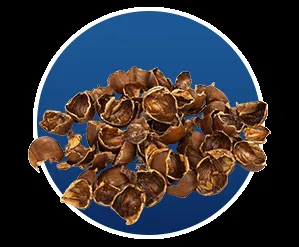
Aloe Vera Extract
Role: Known for its soothing properties, it helps calm the digestive tract, reduce inflammation, and support healthy gut lining integrity.
50mg - 150mg
Licorice Root
Role: Supports healthy digestive function by protecting the gut lining and promoting a balanced inflammatory response.
50mg - 100mg
Ginger Root
Role: Aids digestion by stimulating digestive enzymes, reducing nausea, and promoting healthy gut motility, easing discomfort.
25mg - 50mg
Fennel Seed
Role: Traditionally used to alleviate gas, bloating, and indigestion, it helps relax the digestive muscles and promotes comfortable digestion.
25mg - 50mg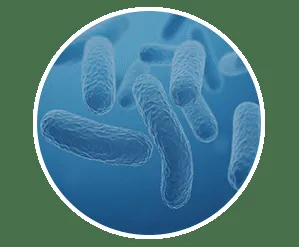
Probiotic Blend
Role: A synergistic mix of beneficial bacteria that helps restore gut flora balance, supports digestion, and enhances immune function.
5 Billion CFU
Prebiotic Fiber (FOS)
Role: Feeds beneficial gut bacteria, promoting their growth and activity, which in turn supports overall gut health and digestive regularity.
100mg - 200mg
Restore Your Digestive Harmony with Finessa
If you're tired of living with the discomfort of poor gut health, Finessa offers a natural and gentle path to relief. Our expertly crafted formula is designed to support digestive regularity, reduce bloating, and foster a balanced gut microbiome, helping you feel lighter, more energetic, and truly well.
- ✓ Supports Regular Bowel Movements
- ✓ Reduces Bloating and Gas
- ✓ Promotes a Balanced Gut Microbiome
- ✓ Boosts Nutrient Absorption
- ✓ Made with All-Natural Ingredients




What Our Customers Say About Finessa
"I've struggled with chronic constipation for years, and nothing seemed to work consistently. Finessa has been a game-changer for my digestive regularity. I feel so much lighter and more comfortable every day. Truly a blessing!"
"My bloating was so bad I'd look pregnant by the end of the day. Since starting Finessa, the difference is incredible. My stomach is flatter, and I don't have that uncomfortable pressure anymore. Highly recommend for anyone with digestive issues."
"I was skeptical, but Finessa actually delivered! My energy levels are up, my skin looks clearer, and my digestion is finally predictable. It's gentle and effective, and I haven't experienced any side effects. Thank you, Finessa!"
Frequently Asked Questions
What are the most common signs of poor gut health?
+The most common signs include chronic digestive issues like bloating, gas, constipation, and diarrhea. However, poor gut health can also manifest as fatigue, skin problems, mood disturbances, sugar cravings, and even unexplained weight changes. It's a holistic issue affecting many body systems.
How does diet impact gut health and digestion?
+Diet is a primary driver of gut health. A diet high in processed foods, sugar, and unhealthy fats can disrupt the balance of beneficial gut bacteria, leading to inflammation and digestive dysfunction. Conversely, a diet rich in fiber, fermented foods, lean proteins, and healthy fats supports a diverse and thriving gut microbiome, essential for optimal digestion and overall well-being.
Can stress affect my digestion and gut health?
+Absolutely. The gut and brain are intimately connected via the gut-brain axis. Chronic stress can significantly impact gut motility, increase gut permeability (leading to 'leaky gut'), alter gut microbiota composition, and exacerbate conditions like IBS. Managing stress through techniques like mindfulness, meditation, and regular exercise is crucial for maintaining a healthy digestive system.
When should I see a doctor for persistent gut issues?
+While many minor digestive issues can be managed with lifestyle changes, it's important to consult a doctor if you experience persistent or severe symptoms. These include chronic constipation or diarrhea, unexplained weight loss, blood in your stool, severe abdominal pain, persistent nausea or vomiting, or if your symptoms significantly impact your quality of life. A medical professional can rule out serious conditions and provide an accurate diagnosis.
What is Finessa and how can it help improve digestive regularity?
+Finessa is an all-natural dietary supplement designed to support healthy digestion and gut function. It utilizes a blend of potent ingredients known to promote regular bowel movements, reduce bloating, and foster a balanced gut microbiome. By addressing key aspects of digestive health, Finessa helps to alleviate common issues like constipation and encourages overall gut wellness.
How long does it typically take to see improvements in gut health?
+The timeline for improving gut health varies greatly depending on the individual's starting point, the severity of their issues, and consistency with lifestyle changes. Some people may notice minor improvements within a few weeks of adopting healthier habits or starting a supplement like Finessa. Significant and lasting changes often require several months of dedicated effort, as the gut microbiome needs time to rebalance and heal.
Related Articles