Are you tired of the burning discomfort of acid reflux or the persistent symptoms of GERD?
Millions of people worldwide struggle with acid reflux and Gastroesophageal Reflux Disease (GERD), experiencing a range of uncomfortable symptoms from heartburn and regurgitation to chest pain and difficulty swallowing. These conditions can significantly impact daily life, making even simple meals a source of anxiety.
While conventional treatments exist, many individuals are seeking natural remedies and dietary adjustments to manage their symptoms and improve their overall digestive health. This article delves into effective strategies, highlighting how a holistic approach, including addressing conditions like constipation and digestive irregularity, can lead to lasting relief and a healthier gut.
Understanding Acid Reflux and GERD: More Than Just Heartburn
Acid reflux occurs when stomach acid flows back into the esophagus, causing a burning sensation known as heartburn. When this happens frequently and persistently, it's diagnosed as Gastroesophageal Reflux Disease (GERD).
While heartburn is the most common symptom, GERD can manifest in various ways, including regurgitation, difficulty swallowing (dysphagia), chronic cough, hoarseness, and even dental erosion. The underlying issue often involves a weakened or relaxed lower esophageal sphincter (LES), the muscle that acts as a valve between the esophagus and stomach. Factors contributing to this can include certain foods, obesity, pregnancy, smoking, and even stress.
Understanding the root causes is the first step toward effective management. Many conventional treatments focus on suppressing stomach acid, but this doesn't always address the underlying mechanics or the broader digestive health picture. A holistic approach considers not just acid production, but also gut motility, the balance of gut flora, and overall digestive efficiency.
💡 Key Takeaway
Acid reflux and GERD are complex conditions with symptoms beyond just heartburn. Effective management often requires understanding individual triggers and adopting a holistic approach that includes dietary, lifestyle, and natural interventions, focusing on the health of the entire digestive system.
Dietary Changes: Your First Line of Defense Against Reflux
What you eat and how you eat it plays a pivotal role in managing acid reflux and GERD. Simple adjustments can lead to significant improvements in comfort and symptom frequency.
Identify and Avoid Trigger Foods
Common culprits include fatty and fried foods, spicy dishes, citrus fruits (oranges, lemons, grapefruit), tomatoes and tomato-based products, chocolate, peppermint, garlic, onions, and caffeine. Keep a food diary to pinpoint your specific triggers, as they can vary greatly from person to person. Eliminating these for a period and reintroducing them slowly can help identify what truly bothers you.
Embrace Acid-Friendly Foods
Focus on a diet rich in non-acidic fruits and vegetables (bananas, melons, green beans, asparagus), lean proteins (chicken, fish), and complex carbohydrates (oatmeal, brown rice, whole-grain bread). These foods are less likely to irritate the esophagus and can help absorb stomach acid. Incorporating fiber-rich foods is also crucial for overall digestive health and regularity, which indirectly supports a healthier gut environment.
Practice Mindful Eating
Eating smaller, more frequent meals instead of large ones can prevent the stomach from becoming overly full, reducing pressure on the LES. Chew your food thoroughly and eat slowly. Avoid eating within 2-3 hours of bedtime, as lying down soon after eating makes it easier for stomach acid to reflux. These habits not only help with reflux but also improve digestion generally.
Stay Hydrated, Wisely
Drinking plenty of water throughout the day is important for digestion. However, avoid carbonated beverages, which can increase stomach pressure and lead to reflux. Opt for still water, herbal teas (non-peppermint), or diluted fruit juices (non-citrus). Staying well-hydrated also aids in maintaining regular bowel movements, a cornerstone of good digestive health.
Lifestyle Modifications: Beyond the Plate
Diet is crucial, but lifestyle factors also significantly influence acid reflux and GERD. Integrating these changes can create a comprehensive strategy for relief.
One of the most impactful changes is maintaining a healthy weight. Excess abdominal fat can put pressure on the stomach, forcing acid into the esophagus. Even a modest weight loss can bring significant relief. Similarly, quitting smoking is vital, as nicotine can relax the LES and increase acid production. Alcohol consumption should also be limited or avoided, as it can irritate the esophageal lining and relax the LES.
Another often-overlooked factor is sleep posture. Elevating the head of your bed by 6-8 inches (using risers under the bedposts, not just extra pillows) can help gravity keep stomach acid down. Avoid lying down immediately after meals. Stress management techniques like meditation, yoga, or deep breathing can also be beneficial, as stress is known to exacerbate many digestive issues, including reflux.
Regular, moderate exercise supports overall health, including digestion, but avoid strenuous activities right after eating. Loose-fitting clothing can also help, as tight garments around the waist can put pressure on the abdomen.
Natural Remedies and Herbal Support for Digestive Comfort
Beyond dietary and lifestyle changes, several natural remedies have shown promise in soothing the digestive tract and reducing reflux symptoms.
Aloe Vera Juice
Known for its anti-inflammatory properties, decolorized aloe vera juice can help soothe irritation and inflammation in the esophagus and stomach. It's often consumed before meals to create a protective lining. Ensure it's decolorized to remove laxative compounds.
Licorice (DGL)
Deglycyrrhizinated licorice (DGL) is a form of licorice that has had the glycyrrhizin compound removed, which can raise blood pressure. DGL helps protect the lining of the esophagus and stomach by increasing mucus production. It's often taken as a chewable tablet before meals.
Ginger
A natural anti-inflammatory, ginger has been used for centuries to calm an upset stomach and reduce nausea. Chewing on a small piece of fresh ginger root, or drinking ginger tea (non-caffeinated), can help alleviate irritation in the digestive tract. It can also aid in gastric emptying, reducing the likelihood of reflux.
Apple Cider Vinegar (ACV)
While counterintuitive for acid reflux, some people find relief by taking a small amount of diluted ACV before meals. The theory is that low stomach acid can also contribute to reflux, and ACV might help balance pH. However, this remedy is not for everyone and should be used cautiously, as it can sometimes worsen symptoms.
The Gut Connection: Beyond Reflux to Holistic Digestive Health
While acid reflux and GERD focus on the upper digestive tract, it's crucial to understand that the entire gastrointestinal system is interconnected. Issues further down the line, such as constipation, can significantly impact overall digestive comfort and even influence symptoms that might be perceived as reflux.
Our gut is a complex ecosystem, home to trillions of bacteria known as the gut microbiome. A balanced microbiome is essential for proper digestion, nutrient absorption, and even immune function. When this balance is disrupted, it can lead to a cascade of issues, including bloating, gas, and irregular bowel movements. Chronic constipation, in particular, can create a backlog in the digestive system, leading to increased pressure in the abdomen. This pressure can, in turn, put strain on the lower esophageal sphincter, potentially exacerbating reflux symptoms or creating discomfort that feels similar to reflux.
Moreover, poor digestive regularity can contribute to a state of systemic inflammation and toxin buildup, which can negatively affect the entire body. Addressing issues like constipation isn't just about bowel movements; it's about optimizing the function of your entire digestive system, thereby creating a more harmonious environment that can indirectly alleviate discomfort throughout the gut, including the upper GI tract.
💡 Key Takeaway
A healthy digestive system is holistic. Addressing issues like constipation and promoting digestive regularity can reduce intra-abdominal pressure and systemic inflammation, contributing to overall gut comfort and potentially alleviating reflux-like symptoms.
The Importance of Digestive Regularity: Why Constipation Matters
Constipation is far more than just an inconvenience; it's a widespread digestive issue that can significantly impact quality of life and overall well-being. Defined as having fewer than three bowel movements per week, or having difficult, dry, or painful bowel movements, chronic constipation affects millions.
Beyond the immediate discomfort, constipation can lead to a host of other problems. Prolonged transit time of waste through the colon can lead to the reabsorption of toxins, negatively impacting skin health, energy levels, and mental clarity. It can also contribute to bloating, gas, and abdominal pain, creating a constant feeling of heaviness and discomfort. For those already dealing with acid reflux or GERD, the added pressure and systemic stress from constipation can further complicate symptom management.
Achieving regular, healthy bowel movements is a fundamental pillar of good digestive health. It ensures that waste products are efficiently removed, preventing buildup and promoting a healthy environment for beneficial gut bacteria. When the lower digestive tract functions optimally, the entire system benefits, reducing overall digestive strain and fostering a sense of lightness and well-being. This is where targeted support for digestive regularity becomes invaluable, especially for those seeking a comprehensive approach to gut health.
Introducing Finessa: Your Natural Ally for Digestive Regularity
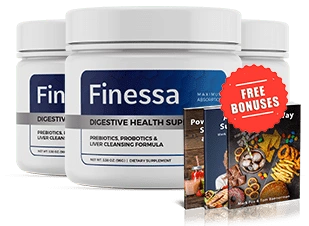
While many natural remedies focus on the upper GI tract, Finessa is designed to address the foundational issue of constipation and digestive irregularity, promoting overall gut health. By ensuring a smoothly functioning lower digestive system, Finessa helps reduce the systemic burden that can contribute to a range of digestive discomforts, including those that might feel like reflux.
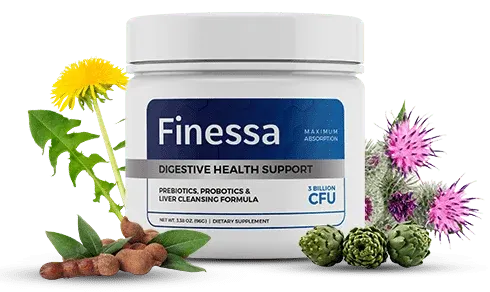
Finessa is a natural supplement formulated with a powerful blend of ingredients, each carefully selected for its scientifically-backed role in supporting digestive motility, nurturing the gut microbiome, and facilitating gentle, regular bowel movements. It's a holistic approach to maintaining digestive balance, helping your body naturally restore its rhythm and efficiency. Imagine a life free from the constant worry of irregular digestion, where your gut feels light, comfortable, and consistently on track. Finessa aims to make that a reality, supporting your journey to optimal digestive wellness.
Many individuals looking for a best gut health supplement find Finessa to be an excellent choice due to its comprehensive approach to regularity and overall digestive comfort.
Key Ingredients in Finessa for Optimal Digestive Health

Psyllium Husk
Role: A bulk-forming laxative, it absorbs water in the gut, forming a gel that helps soften stool and promote easy passage. It also acts as a prebiotic, feeding beneficial gut bacteria.
Typical Dose: 5-10g daily
Senna Leaf
Role: A natural stimulant laxative that works by irritating the bowel lining, causing muscle contractions that push stool through the colon. Effective for short-term constipation relief.
Typical Dose: 15-30mg sennosides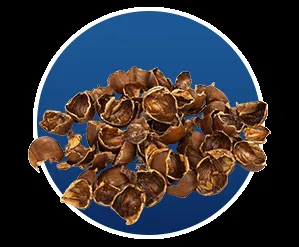
Cascara Sagrada
Role: Another natural stimulant laxative similar to Senna, it enhances bowel muscle contractions to promote more frequent and easier bowel movements. Used traditionally for centuries.
Typical Dose: 20-30mg cascarosides
Aloe Ferox
Role: Contains compounds called aloin, which have strong natural laxative properties. It stimulates colon contractions and increases water content in the stool, aiding regularity.
Typical Dose: 50-300mg daily
Lactobacillus Acidophilus
Role: A beneficial probiotic bacterium that supports a healthy gut microbiome. It helps balance gut flora, which can improve digestion, reduce bloating, and support regular bowel movements.
Typical Dose: Billions of CFUs
Rhubarb Root
Role: Acts as a gentle stimulant laxative, promoting bowel movements. It's also known for its potential anti-inflammatory properties and ability to support overall digestive function.
Typical Dose: 200-500mg daily
Licorice Root
Role: Known for its soothing properties on the digestive tract. It can help reduce inflammation, support a healthy gut lining, and contribute to overall digestive comfort, complementing laxative effects.
Typical Dose: 200-400mg daily
Medium Chain Triglycerides (MCT) Oil
Role: Supports digestive health by promoting nutrient absorption and gut lining integrity. While not a direct laxative, it can aid in overall gut function and energy for digestive processes.
Typical Dose: 100-200mg daily
Experience the Finessa Difference: Natural Support for a Healthier Gut
Don't let digestive irregularity dictate your life. Finessa offers a scientifically-backed, all-natural solution to promote consistent bowel movements, reduce bloating, and foster a comfortable, balanced digestive system. Reclaim your digestive freedom and enjoy a renewed sense of well-being.
- ✓ Supports Healthy Bowel Regularity
- ✓ Reduces Bloating and Discomfort
- ✓ Formulated with All-Natural Ingredients
- ✓ Promotes a Balanced Gut Microbiome
- ✓ Made in USA & GMP Certified




Real Stories, Real Relief: Testimonials from Finessa Users
"I've struggled with constipation for years, and it always made me feel so bloated and uncomfortable, even affecting my mood. Finessa has been a game-changer. I'm finally regular, and that general digestive discomfort I used to feel has significantly reduced. It's like my whole system is happier!"
"After trying countless remedies for my irregular digestion, Finessa is the only thing that's truly worked. I feel lighter, less bloated, and my digestion is so much smoother. It's given me a new lease on life, and I don't dread meal times anymore. Highly recommend for anyone seeking natural relief."
"I was skeptical at first, but Finessa exceeded my expectations. My digestive regularity is back on track, and I've noticed a significant improvement in my overall gut comfort. It's gentle yet effective, and I love that it's all-natural. Truly a fantastic product for anyone with digestive issues."
Frequently Asked Questions
What are the primary dietary changes recommended for acid reflux and GERD?
+For acid reflux and GERD, it's generally recommended to avoid trigger foods such as fatty or fried foods, spicy dishes, citrus fruits, tomatoes, chocolate, peppermint, and caffeine. Instead, focus on a diet rich in lean proteins, whole grains, and non-acidic vegetables. Eating smaller, more frequent meals can also help reduce stomach pressure.
How can natural remedies like ginger or aloe vera help with digestive issues?
+Ginger is known for its anti-inflammatory properties and can help soothe the digestive tract, potentially reducing nausea and discomfort. Aloe vera juice, particularly the decolorized variety, can have a calming effect on the esophagus and stomach lining, helping to reduce irritation and inflammation associated with acid reflux and other digestive complaints. Always consult a healthcare professional before using herbal remedies.
Is there a connection between constipation and symptoms similar to acid reflux or GERD?
+Yes, there can be an indirect connection. Chronic constipation can lead to increased intra-abdominal pressure, which may exacerbate reflux symptoms or cause general digestive discomfort that mimics reflux. By improving digestive regularity and reducing bloating, overall gut health improves, which can contribute to a more comfortable digestive experience and potentially lessen the perceived severity of reflux-like symptoms. Addressing constipation is a key part of holistic digestive wellness.
How does Finessa support digestive health and regularity?
+Finessa is formulated with a blend of natural ingredients known to support healthy digestion and promote regular bowel movements. It works by providing gentle laxative effects, supporting gut motility, and nourishing the gut microbiome. This comprehensive approach helps relieve constipation, reduce bloating, and contribute to overall digestive comfort, fostering a healthier internal environment.
What lifestyle changes are effective in managing acid reflux and improving digestion?
+Effective lifestyle changes include eating smaller meals, avoiding eating close to bedtime (within 2-3 hours), elevating the head of your bed, maintaining a healthy weight, quitting smoking, and managing stress. Regular exercise can also improve digestion, but avoid intense activity immediately after eating. These habits can significantly reduce the frequency and severity of reflux symptoms and promote overall digestive well-being.
Are there any side effects associated with Finessa?
+Finessa is made with natural ingredients and is generally well-tolerated. However, as with any supplement, individual responses can vary. Some individuals might experience mild digestive adjustments initially. It is always recommended to consult with a healthcare professional before starting any new supplement, especially if you have pre-existing medical conditions or are taking other medications, to ensure it is appropriate for your specific health needs.
Related Articles