Struggling with regularity? Discover the ultimate dietary guide to lasting constipation relief.
Constipation is more than just an uncomfortable feeling; it's a common digestive issue that can significantly impact your quality of life. Affecting millions worldwide, it can lead to bloating, abdominal pain, and a general sense of sluggishness. While many factors contribute to constipation, from lifestyle habits to underlying health conditions, one of the most powerful and accessible solutions lies right on your plate: food.
Understanding which foods to embrace and which to limit can be a game-changer for your digestive health. This comprehensive guide, penned by Dr. Christine Taylor and reviewed by Dr. Edward Brown, M.D., will walk you through the science-backed dietary strategies to promote regularity, ease discomfort, and foster a thriving gut microbiome. You'll learn that the right dietary choices can be a powerful ally in your journey toward consistent and comfortable digestion.
Understanding Constipation: More Than Just Infrequent Bowel Movements
Before diving into dietary solutions, it's essential to understand what constipation truly is and how it impacts your body. It's not merely about how often you go to the bathroom.
Constipation is generally defined as having fewer than three bowel movements per week, or experiencing difficult, painful, or incomplete bowel movements. The stool may be hard, dry, and small, making it challenging to pass. While occasional constipation is common, chronic constipation can be a persistent and frustrating issue, leading to symptoms like bloating, abdominal discomfort, nausea, and even hemorrhoids.
The underlying causes are varied. They can range from a lack of fiber and fluids in the diet to a sedentary lifestyle, certain medications, stress, and even underlying medical conditions like irritable bowel syndrome (IBS) or thyroid disorders. Understanding your personal triggers is the first step towards effective management. For many, however, the primary culprits are often related to diet and lifestyle.
💡 Key Takeaway
Constipation is characterized by infrequent or difficult bowel movements, often accompanied by hard stools, bloating, and discomfort. Dietary and lifestyle factors are common causes, making food a powerful tool for relief.
The Cornerstones of Constipation Relief: Fiber and Hydration
When it comes to tackling constipation, two elements stand out as non-negotiable heroes: dietary fiber and adequate hydration. They work synergistically to keep your digestive system running smoothly.
The Power of Fiber
Fiber is the indigestible part of plant foods that adds bulk to your stool, making it softer and easier to pass. There are two main types: soluble fiber, which dissolves in water to form a gel-like substance, and insoluble fiber, which adds bulk and speeds up the passage of food through the digestive tract. Both are crucial for regularity.
Hydration is Key
Fiber needs water to do its job. Without sufficient fluids, fiber can actually worsen constipation by making stools even harder and more difficult to pass. Water softens stool, adds fluid to the colon, and helps move waste through your system. Aim for at least 8 glasses of water daily, and more if you're active or live in a hot climate.
Gradual Increase is Best
If you're not used to a high-fiber diet, increase your intake gradually over several weeks. A sudden increase can lead to gas, bloating, and abdominal cramps. Allow your digestive system time to adjust, and always pair fiber with increased fluid intake to prevent discomfort.
Beyond Just Relief
A diet rich in fiber and fluids not only relieves constipation but also offers numerous other health benefits, including improved blood sugar control, lower cholesterol, and a reduced risk of chronic diseases. It's a cornerstone of overall digestive and general health.
Top Food Categories for Constipation Relief
Now that we understand the principles, let's explore the specific foods that can help you achieve digestive comfort and regularity.
1. Fiber-Rich Fruits
Fruits are natural powerhouses of fiber and water, making them excellent choices for constipation relief. They also contain vitamins, minerals, and antioxidants essential for overall health.
- Prunes (Dried Plums): Perhaps the most famous natural laxative, prunes are rich in fiber, sorbitol (a natural sugar alcohol with a laxative effect), and phenolic compounds. A few prunes a day can significantly improve bowel regularity.
- Berries (Raspberries, Blackberries, Strawberries): These vibrant fruits are packed with fiber, especially raspberries, which boast an impressive 8 grams per cup. They're also high in water content and antioxidants.
- Apples and Pears: Eat them with the skin on for maximum fiber. Apples contain pectin, a soluble fiber, while pears are particularly rich in both soluble and insoluble fiber.
- Kiwi: Studies show that kiwi can help improve bowel frequency and reduce straining, thanks to its unique combination of fiber, enzymes (actinidin), and water.
- Figs: Fresh or dried, figs are another excellent source of fiber, helping to bulk up stool and promote movement through the digestive tract.
2. Leafy Green Vegetables
Green vegetables are low in calories but high in fiber, vitamins, and minerals. They add volume to your meals without excess calories, aiding in satiety and digestion.
- Spinach: A versatile leafy green, spinach provides both fiber and magnesium, a mineral known to help soften stools.
- Broccoli: This cruciferous vegetable is high in fiber and contains sulforaphane, a compound that may protect the gut lining and support healthy bowel function.
- Brussels Sprouts: Similar to broccoli, Brussels sprouts are fiber-rich and contain beneficial compounds that support gut health.
- Artichokes: Known for their high fiber content and prebiotics, which feed beneficial gut bacteria, artichokes are excellent for digestive health.
3. Whole Grains
Switching from refined grains to whole grains is a fundamental step toward improving digestive health. Whole grains retain all parts of the grain kernel – the bran, germ, and endosperm – where most of the fiber and nutrients reside.
- Oats: Especially effective due to their soluble fiber content (beta-glucan), oats can help soften stool and promote regularity. Start your day with oatmeal or add oats to smoothies.
- Whole Wheat Bread/Pasta: Make the swap from white bread and pasta to whole wheat versions to increase your daily fiber intake.
- Brown Rice: A healthier alternative to white rice, brown rice provides more fiber and nutrients that support digestion.
- Quinoa: This complete protein also offers a good amount of fiber, making it a gut-friendly grain option.
For more insights into natural approaches to gut health, explore our article on Natural Gut Health Relief Remedies.
4. Legumes (Beans, Lentils, Peas)
Legumes are superstars for digestive health, offering a powerful combination of fiber, protein, and various micronutrients. They are also excellent sources of prebiotics, which nourish your gut bacteria.
- Black Beans, Kidney Beans, Chickpeas: These beans are incredibly rich in both soluble and insoluble fiber, making them excellent for preventing and relieving constipation.
- Lentils: A quick-cooking legume, lentils are a fantastic source of fiber, iron, and protein. They can be easily added to soups, stews, or salads.
- Split Peas: Similar to lentils, split peas are fiber powerhouses that contribute to healthy bowel movements.
5. Nuts and Seeds
Small but mighty, nuts and seeds are concentrated sources of fiber, healthy fats, and essential minerals that support digestive function.
- Flaxseed: Rich in soluble and insoluble fiber, and omega-3 fatty acids, flaxseed is a powerful ally against constipation. Ground flaxseed is more effective than whole seeds, as the fiber is more readily available.
- Chia Seeds: These tiny seeds absorb a significant amount of water, forming a gel that adds bulk to stool and helps it pass smoothly. They are also packed with fiber and omega-3s.
- Almonds: A good source of fiber, magnesium, and healthy fats, almonds can contribute to regular bowel movements.
- Walnuts: Provide fiber and healthy fats, beneficial for overall gut health.
6. Probiotic-Rich Foods
A healthy gut microbiome is fundamental for regular digestion. Probiotic-rich foods introduce beneficial bacteria into your gut, which can help regulate bowel movements and improve overall gut health.
- Yogurt and Kefir: Choose plain, unsweetened varieties with live and active cultures. These dairy products contain beneficial bacteria that can aid digestion.
- Sauerkraut and Kimchi: Fermented cabbage products are excellent sources of probiotics, as well as fiber and vitamins.
- Miso and Tempeh: Fermented soybean products that offer probiotics and other gut-friendly nutrients.
Foods to Limit or Avoid if You're Constipated
Just as certain foods can help, others can exacerbate constipation. Being mindful of these can be just as important as incorporating beneficial foods.
Processed Foods
Foods high in refined sugars, unhealthy fats, and low in fiber (like white bread, pastries, fast food, and sugary snacks) can slow down digestion and contribute to constipation. They lack the bulk needed for healthy stool formation.
Red Meat
While an important source of protein, red meat is high in fat and low in fiber, making it harder and slower for the body to digest. Consuming large quantities can contribute to constipation, especially if fiber intake is low.
Dairy Products
For some individuals, especially those with lactose intolerance or sensitivity, dairy products like milk, cheese, and ice cream can cause constipation, gas, and bloating. Pay attention to how your body reacts.
Unripe Bananas
While ripe bananas can be helpful, unripe (green) bananas are high in resistant starch, which can be difficult to digest and may contribute to constipation. Opt for ripe, yellow bananas instead.
Excessive Caffeine & Alcohol
Both caffeine and alcohol are diuretics, meaning they promote fluid loss from the body. Dehydration can lead to harder stools and worsen constipation. Moderate consumption and increased water intake are advisable.
Fried Foods
High in unhealthy fats and difficult to digest, fried foods can slow down the digestive process, leading to sluggish bowel movements and constipation. Opt for baked or steamed alternatives.
Beyond Diet: Lifestyle Factors for Optimal Regularity
While diet is paramount, it's just one piece of the puzzle. Incorporating these lifestyle habits can significantly enhance your efforts to achieve and maintain digestive regularity.
1. Stay Active
Regular physical activity helps stimulate the natural contractions of the intestines, known as peristalsis, which move stool through the colon. Even a daily 30-minute walk can make a significant difference. Exercise also reduces stress, another common contributor to digestive issues. If you're looking for supplements to support your overall digestive health, you might find our article on the best supplement for bloating and digestive irregularity insightful.
2. Manage Stress
The gut-brain axis is a powerful connection, and stress can directly impact digestive function. Practices like meditation, yoga, deep breathing exercises, or simply engaging in hobbies you enjoy can help reduce stress and promote a healthier gut. Chronic stress can slow down digestion, leading to constipation.
3. Listen to Your Body
Ignoring the urge to have a bowel movement can lead to harder stools and make constipation worse. When your body signals it's time to go, try to respond promptly. Establishing a regular bathroom routine, perhaps after a meal, can also train your body for consistent elimination.
4. Establish a Routine
Eating meals at regular times can help regulate your digestive system. Your body thrives on routine, and consistent meal times can encourage consistent bowel movements. Similarly, maintaining a regular sleep schedule also contributes to overall bodily rhythm, including digestive function.
5. Consider Digestive Support (When Needed)
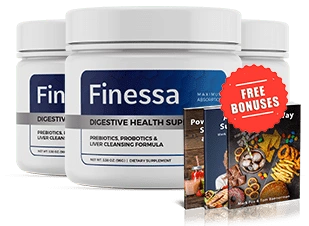
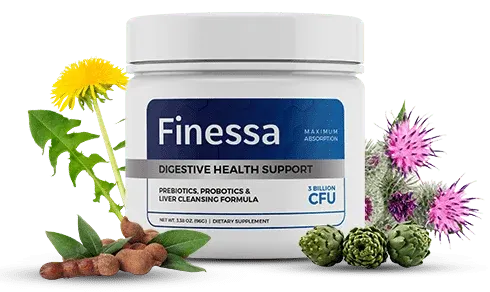
Sometimes, even with the best diet and lifestyle, your digestive system might need a little extra help. This is where a high-quality, natural supplement designed to support gut motility and overall digestive health can be beneficial. Products like Finessa are formulated with ingredients known to promote regularity and comfort, working in harmony with your dietary changes.
💡 Key Takeaway
Beyond food, regular exercise, stress management, listening to your body's signals, and maintaining a consistent routine are crucial lifestyle factors that significantly impact digestive regularity and overall gut health.
How Finessa Can Complement Your Dietary Efforts
While a fiber-rich diet and healthy lifestyle are foundational, some individuals may find they need additional support to achieve consistent digestive regularity. This is where a carefully formulated supplement like Finessa can play a role, offering a blend of natural ingredients designed to work synergistically with your body.

Psyllium Husk
Role: A bulk-forming laxative, psyllium absorbs water and swells to form a gel, adding bulk to stool and making it easier to pass. It's a well-researched fiber source for regularity.
Typical Dose: 3-7g daily
Glucomannan
Role: A soluble dietary fiber derived from the konjac plant. It absorbs water in the digestive tract, forming a viscous gel that promotes satiety and aids in smooth bowel movements.
Typical Dose: 1-4g daily
Aloe Vera
Role: Known for its soothing properties, aloe vera can help reduce inflammation in the gut and has a mild laxative effect due to compounds called anthraquinones, promoting gentle relief.
Typical Dose: 50-200mg daily
Flaxseed
Role: A rich source of both soluble and insoluble fiber, as well as omega-3 fatty acids. Flaxseed adds bulk to stool, softens it, and supports overall gut motility and health.
Typical Dose: 1-2 tbsp ground daily
Ginger Root
Role: A traditional digestive aid, ginger helps stimulate digestive enzymes, reduce nausea, and alleviate bloating and gas, contributing to overall digestive comfort.
Typical Dose: 500-1000mg daily
Peppermint Leaf
Role: Contains menthol, which helps relax the muscles of the digestive tract, alleviating spasms, abdominal pain, and bloating often associated with digestive irregularity.
Typical Dose: 200-400mg daily
Licorice Root
Role: Known for its anti-inflammatory and soothing properties, licorice root can support the integrity of the gut lining and help alleviate digestive discomfort, contributing to a healthier environment for regularity.
Typical Dose: 100-500mg daily
Probiotic Blend
Role: Introducing beneficial bacteria to the gut, a probiotic blend helps rebalance the microbiome, which is crucial for nutrient absorption, immune function, and consistent bowel movements.
Typical Dose: 5-50 Billion CFU dailyFinessa is designed to offer a holistic approach to digestive health, combining these potent ingredients to support your body's natural processes. It’s a convenient way to ensure you're getting comprehensive support for regularity and gut comfort, especially when dietary adjustments alone aren't quite enough. To learn more about what real users are saying, read some Finessa reviews.
Experience the Difference with Finessa: Your Partner in Digestive Health
Don't let constipation or digestive irregularity hold you back any longer. Finessa offers a natural and effective way to support your gut, promoting consistent relief and overall well-being.
- ✓ Supports Healthy Bowel Regularity
- ✓ Alleviates Bloating and Discomfort
- ✓ Promotes a Balanced Gut Microbiome
- ✓ Made with Natural, Clinically Backed Ingredients
- ✓ 60-Day 100% Money-Back Guarantee




Hear From Our Satisfied Customers
"Finessa has been a game-changer for my chronic constipation. I've tried everything, but nothing worked as gently and effectively as this. I feel lighter and more energetic!"
"I used to dread mornings, but after a month on Finessa, I'm regular and comfortable. It's truly helped me get my digestive health back on track. Highly recommend!"
"No more bloating or discomfort! Finessa is the natural solution I've been searching for. My gut feels so much happier and healthier. Thank you!"
Frequently Asked Questions
What foods are best for immediate constipation relief?
+For immediate relief, focus on high-fiber fruits like prunes, figs, and berries, along with plenty of water. Soluble fiber found in oats and flaxseed can also help soften stool.
How much fiber should I consume daily to prevent constipation?
+Adults should aim for 25-38 grams of fiber per day. Gradually increase your intake to avoid gas and bloating, and ensure you're drinking enough water.
Are there specific foods I should avoid if I'm prone to constipation?
+Foods that can worsen constipation include highly processed foods, red meat, dairy products (for some individuals), unripe bananas, and excessive caffeine or alcohol, which can dehydrate you.
Can probiotics in food help with digestive regularity?
+Yes, probiotics found in fermented foods like yogurt, kefir, sauerkraut, and kimchi can help balance your gut microbiome, which is crucial for healthy digestion and regularity.
Is hydration as important as fiber for constipation relief?
+Absolutely. Fiber needs water to work effectively. Without adequate hydration, fiber can actually worsen constipation by creating hard, dry stools. Aim for 8 glasses of water daily.
When should I consider a supplement like Finessa for constipation?
+If dietary and lifestyle changes aren't enough, or if you're looking for comprehensive digestive support, a natural supplement like Finessa can be considered. It's designed to support gut motility and overall digestive health. Always consult your doctor before starting any new supplement.
Related Articles