Struggling with Digestive Discomfort or Irregularity?
Many people experience occasional or chronic digestive issues, from bloating and gas to the persistent challenge of constipation. These common problems can significantly impact daily comfort and overall well-being, often leaving individuals feeling sluggish and frustrated.
While various factors contribute to digestive irregularity, nature offers powerful allies in the quest for gut health. One such natural marvel, often celebrated for its skin-soothing properties, is also a potent aid for your gut, offering a gentle yet effective path to improved digestive health and regularity.
The Ancient Remedy: Unveiling Aloe Vera's Digestive Secrets
For millennia, Aloe Vera has been revered across cultures for its incredible medicinal properties. While its use in skincare is widely known and celebrated for its soothing and healing capabilities, its internal application, particularly for digestive health, is equally compelling and deeply rooted in traditional medicine practices. Ancient Egyptians, Greeks, and Chinese civilizations all documented Aloe Vera's role in promoting internal wellness, often referring to it as the "plant of immortality" or "heavenly elixir." Modern science is now catching up, meticulously validating what these ancient healers understood intuitively: Aloe Vera is a remarkable plant with profound, multi-faceted benefits for the gastrointestinal system.
The succulent leaves of the Aloe barbadensis miller plant contain a clear, gelatinous inner gel that is a powerhouse of bioactive compounds. These include complex polysaccharides (like acemannan), various anthraquinones (such as aloin and barbaloin), a rich spectrum of vitamins (A, C, E, B vitamins), minerals (calcium, magnesium, zinc), enzymes (amylase, lipase), and all eight essential amino acids. These components work synergistically to support various bodily functions, but their combined effect on digestion is particularly noteworthy. When it comes to addressing digestive concerns, Aloe Vera acts as a multi-faceted agent, targeting several common issues that contribute to discomfort, irregularity, and overall gut imbalance. Its gentle yet powerful effects make it a popular and increasingly researched choice for those seeking natural relief and long-term gut support. Understanding the specific components and their intricate actions is key to appreciating why this plant is so effective in fostering digestive harmony.
Historically, Aloe Vera was used to treat everything from stomach upset to parasitic infections. Its natural cooling properties were believed to soothe internal "heat" or inflammation, a concept that aligns well with modern understanding of gut inflammation. The plant's ability to promote healing and regeneration is not limited to external wounds; it extends to the delicate lining of the digestive tract. This makes it a valuable addition to a holistic approach to managing conditions like constipation and general digestive irregularity, offering a gentle alternative to harsher chemical interventions. The plant's unique composition means it can both stimulate and soothe, providing a balanced approach to digestive care that few other natural remedies can match.
Beyond Skin Deep: Core Digestive Benefits of Aloe Vera
Aloe Vera's comprehensive profile of nutrients and active compounds makes it an exceptional natural remedy for digestive wellness. Its benefits extend beyond simple laxative effects, offering a holistic approach to gut health that can address a wide array of common complaints. Let's delve into the primary ways Aloe Vera can transform your digestive experience, moving you towards greater comfort and regularity.
Promotes Regularity and Relieves Constipation
Aloe Vera contains natural compounds called anthraquinones, specifically aloin and barbaloin, which are recognized for their gentle laxative properties. These compounds work by stimulating bowel movements through several mechanisms: they increase the water content in the intestines, which softens stools, and they promote peristalsis, the rhythmic muscle contractions that propel food and waste through the digestive tract. This combined action helps to facilitate easier, more frequent bowel movements, providing effective relief from occasional or chronic constipation without the harsh, cramping side effects commonly associated with synthetic laxatives. Regular use of aloin-free Aloe Vera can help establish a healthy rhythm for your digestive system.
Soothes Inflammation and Irritation
The inner gel of Aloe Vera is renowned for its potent anti-inflammatory properties, attributed to compounds like acemannan, bradykinase, and salicylic acid. For the digestive system, this means it can help calm irritation and inflammation in the gut lining, which is often a significant contributing factor to conditions such as irritable bowel syndrome (IBS), gastritis, inflammatory bowel disease (IBD), or general digestive discomfort. By reducing inflammation, Aloe Vera can help restore comfort, alleviate pain, and promote a healthier, more resilient environment for optimal digestion and nutrient absorption. This soothing effect is particularly beneficial for those with sensitive digestive systems.
Supports Gut Microbiome Balance
Emerging research suggests that the complex carbohydrates (polysaccharides) in Aloe Vera, particularly acemannan, can act as a prebiotic. This means they nourish and promote the growth of beneficial bacteria within the gut microbiome. A balanced and diverse gut microbiome is crucial for efficient digestion, robust immune function, and even mood regulation. By fostering a healthy microbial ecosystem, Aloe Vera helps to alleviate issues like bloating, excessive gas, and an imbalanced gut that often leads to irregularity and discomfort. A thriving gut flora is a cornerstone of overall digestive health, and Aloe Vera provides valuable support for this vital internal community.
Aids in Nutrient Absorption
A healthy, intact digestive tract is absolutely essential for the efficient absorption of vitamins, minerals, and other vital nutrients from the food we consume. When the gut lining is inflamed or irritated, its ability to absorb nutrients can be compromised. Aloe Vera's capacity to soothe the gut lining, reduce inflammation, and heal microscopic damage can significantly improve the integrity of the intestinal wall. This, in turn, enhances the body's capacity to absorb crucial nutrients more effectively. By optimizing nutrient uptake, Aloe Vera ensures your body can make better use of the nourishment you provide it, contributing profoundly to overall health, energy levels, and vitality.
Detoxification and Cleansing Properties
Aloe Vera's unique gelatinous texture and rich fiber content play a crucial role in its natural detoxification capabilities. These properties allow it to gently bind to and carry away toxins, metabolic waste products, and undigested food particles from the digestive tract, facilitating their efficient elimination from the body. This gentle cleansing action helps to prevent the buildup of stagnant material that can contribute to sluggish digestion, feelings of heaviness, and even reabsorption of toxins. By supporting the body's natural detoxification processes, Aloe Vera contributes to a cleaner, more efficient digestive system, promoting a sense of lightness and internal purity.
Reduces Bloating and Gas
Bloating and excessive gas are common and often uncomfortable symptoms of poor digestion or an imbalanced gut. Aloe Vera addresses these issues through multiple pathways: by promoting regularity, it prevents the accumulation of gas-producing waste; by soothing inflammation, it calms the irritated digestive tract; and by supporting a balanced gut flora, it reduces the fermentation that leads to gas. When digestion is efficient and bowel movements are regular, less fermentation occurs in the gut, which is a primary cause of these uncomfortable symptoms. Its overall calming effect on the digestive tract can also directly alleviate the sensation of fullness, pressure, and general abdominal discomfort.
💡 Key Takeaway
Aloe Vera is a natural powerhouse for digestive health, offering relief from constipation, reducing inflammation, balancing gut flora, and enhancing nutrient absorption, making it an excellent holistic support for a healthy gut.
Practical Ways to Use Aloe Vera for Optimal Digestive Health
Integrating Aloe Vera into your daily regimen for digestive support is relatively straightforward, but it's crucial to choose the right form and dosage to ensure safety and effectiveness. Not all Aloe Vera products are created equal, and understanding the best practices will ensure you reap the maximum benefits without unwanted complications. Making an informed choice is the first step towards harnessing this plant's full potential.
When selecting an Aloe Vera product for internal consumption, the most critical factor is to look for those specifically labeled for internal use, such as Aloe Vera juice or supplements. It is absolutely essential to ensure the product is derived from the inner leaf gel (which contains most of the beneficial polysaccharides and minimizes the concentration of strong laxative anthraquinones) and is certified aloin-free. Aloin, found in the yellow latex layer just beneath the outer skin, can be overly stimulating and cause stomach upset or more severe issues with prolonged use. Many reputable brands offer filtered and decolorized Aloe Vera juice to remove most of the aloin, making it significantly safer and gentler for regular consumption. Always read labels carefully and choose products from trusted manufacturers that prioritize purity and safety.
Popular Forms of Aloe Vera for Digestive Support
Aloe Vera Juice
This is one of the most popular and traditional ways to consume Aloe Vera for digestive benefits. When purchasing, always look for 100% pure, organic, and aloin-free varieties to ensure you're getting the beneficial inner leaf gel without the harsh laxative compounds. Start with a small amount, typically 2-4 ounces (60-120 ml) daily, and gradually increase if needed, listening to your body's response. You can drink it plain for its natural taste or mix it with water, your favorite fruit juice, or a morning smoothie to mask the flavor. Consistency is key for achieving the best and most lasting results with Aloe Vera juice.
Aloe Vera Supplements (Capsules/Tablets)
For individuals seeking convenience, precise dosing, and a taste-free option, Aloe Vera capsules or tablets are an excellent alternative. These supplements often contain concentrated extracts of the inner leaf gel, providing a standardized dose of beneficial compounds. Always follow the dosage instructions meticulously on the product label, as concentrations and recommended intake can vary significantly between brands. Supplements are ideal for those who dislike the natural taste of the juice or prefer a more portable and discreet solution that can easily be incorporated into a busy lifestyle, ensuring consistent digestive support wherever you go.
Fresh Aloe Gel (with caution)
While fresh Aloe Vera gel directly from the plant can be highly potent and rich in nutrients, using it for internal consumption requires significant caution and proper preparation. It is absolutely essential to meticulously remove the yellow latex layer (aloin) found just beneath the outer skin, as this can cause severe stomach upset, cramping, and diarrhea. This method is generally recommended only for those experienced in preparing fresh aloe and who understand the risks involved. For most individuals, commercially prepared, certified aloin-free products are a much safer, more convenient, and reliable option for internal digestive support.
Aloe Vera in Smoothies and Other Drinks
Incorporating aloin-free Aloe Vera juice into your daily smoothie or simply adding a splash to a glass of water with lemon can make it more palatable and integrate seamlessly into your routine. This method also allows you to combine Aloe Vera's benefits with other gut-friendly ingredients like probiotic yogurt, chia seeds, or fresh greens, creating a powerful concoction for digestive wellness. Always ensure the Aloe Vera juice you use is specifically labeled as safe for internal consumption and is aloin-free to avoid any adverse effects. This makes for a refreshing and beneficial addition to your daily fluid intake.
Safe Usage: Understanding Potential Side Effects and Who Should Avoid Aloe Vera
While Aloe Vera is generally safe and beneficial for most people when consumed correctly and in appropriate forms, it's critically important to be aware of potential side effects and specific contraindications. Responsible and informed usage ensures you gain the digestive benefits without encountering unwanted complications or health risks. Understanding these nuances is key to safe supplementation.
The primary concern with internal Aloe Vera consumption relates to the anthraquinone latex, the yellow sap found just beneath the outer skin of the leaf. This compound possesses potent laxative effects and, if consumed in large quantities or over extended periods, can lead to a range of adverse effects including abdominal cramps, severe diarrhea, and potentially dangerous electrolyte imbalances (particularly potassium depletion). Chronic use of aloin-containing aloe can even contribute to more serious issues like kidney damage and a condition known as melanosis coli, which is a benign pigmentation of the colon lining. This is why it's absolutely crucial to use only decolorized, purified inner leaf gel or products specifically labeled as aloin-free for internal consumption. Always prioritize products from reputable manufacturers that clearly state their aloin content is negligible or non-existent.
Furthermore, certain individuals should exercise extreme caution or completely avoid internal Aloe Vera use. This includes women who are pregnant or breastfeeding, as the anthraquinones can potentially stimulate uterine contractions or pass into breast milk. Children, due to their developing digestive systems, should also avoid it. Individuals with pre-existing medical conditions such as Crohn's disease, ulcerative colitis, appendicitis, intestinal obstruction, or kidney disease should strictly avoid Aloe Vera without explicit medical guidance. It can also interact with certain medications, including blood thinners (due to its potential to increase bleeding risk), diuretics (exacerbating potassium loss), and drugs for diabetes or heart conditions, potentially altering their efficacy. Before starting any new supplement, especially if you have chronic health conditions, are undergoing medical treatment, or are taking other medications, it is paramount to consult with a healthcare professional. Starting with a low dose and carefully monitoring your body's reaction is always a wise and safe approach.
Beyond Supplements: Cultivating Comprehensive Digestive Health
While Aloe Vera can be a powerful and effective tool for targeted digestive support, true and lasting gut wellness is a symphony of various interconnected factors. Integrating a holistic approach that comprehensively addresses diet, lifestyle, and mental well-being will significantly amplify the benefits of any supplement you choose and foster long-term digestive harmony. Supplements are aids, not replacements, for fundamental healthy living.
The cornerstones of a healthy digestive system are a balanced diet rich in fiber (sourced generously from a variety of fruits, vegetables, legumes, and whole grains), adequate hydration (drinking plenty of water throughout the day), and regular physical activity. Highly processed foods, excessive intake of refined sugars, and unhealthy trans or saturated fats can profoundly disrupt the delicate balance of your gut microbiome, leading to dysbiosis, and contribute to chronic inflammation and persistent irregularity. Conversely, incorporating fermented foods like natural yogurt, kefir, sauerkraut, kimchi, and kombucha can introduce beneficial probiotics, further enhancing gut health and diversity. These dietary choices provide the essential fuel and beneficial microbes your digestive system needs to thrive.
Furthermore, managing stress is absolutely paramount for digestive health. The gut-brain axis is a powerful and intricate connection, and chronic psychological stress can significantly impact digestive function, manifesting as symptoms like irritable bowel syndrome (IBS), indigestion, or altered bowel habits. Practices such as mindfulness meditation, deep breathing exercises, yoga, spending quality time in nature, or engaging in hobbies can help calm the nervous system and, in turn, promote a healthier, more relaxed gut. Don't underestimate the profound power of sufficient and restorative sleep for digestive health, as your gut also follows a crucial circadian rhythm, and sleep deprivation can disrupt its natural processes. Combining these foundational lifestyle adjustments with natural aids like Aloe Vera creates a robust, comprehensive, and sustainable strategy for achieving and maintaining optimal digestive well-being. Regular exercise for gut health is also a critical component often overlooked, as physical activity stimulates intestinal contractions and can alleviate constipation.
Other Natural Ingredients Supporting Digestive Harmony
While Aloe Vera stands out as a remarkable botanical for digestive care, the world of natural health offers a wealth of other powerful ingredients that contribute to a healthy and harmonious digestive system. A truly comprehensive approach to gut wellness often involves a synergistic blend of these components, each offering unique benefits. Here are a few other notable natural allies for your gut:

Psyllium Husk
Role: A highly effective bulk-forming laxative, psyllium husk is a soluble fiber that absorbs water in the gut to form a viscous, gel-like compound. This helps to soften stools and increase their bulk, facilitating easier bowel movements and providing effective relief from both constipation and, paradoxically, some forms of diarrhea. It also acts as a prebiotic, feeding beneficial gut bacteria.
5-10g daily
Ginger Root
Role: Renowned for its potent anti-inflammatory and anti-nausea properties, ginger can significantly soothe the digestive tract. Its active compounds, gingerols and shogaols, stimulate gastric emptying, reduce bloating, and alleviate indigestion. It's also effective in calming stomach upset and motion sickness, making it a versatile digestive aid.
250-1000mg daily
Peppermint Leaf
Role: The primary active compound in peppermint, menthol, is a natural antispasmodic. It helps to relax the smooth muscles of the digestive tract, which can significantly alleviate abdominal spasms, gas, and bloating often associated with conditions like Irritable Bowel Syndrome (IBS). It provides a cooling and calming effect on the gut.
0.2-0.4ml oil or 1-2 capsules 3x daily
Slippery Elm Bark
Role: When mixed with water, the bark of the slippery elm tree forms a thick, protective mucilage. This mucilage coats and soothes inflamed mucous membranes throughout the digestive tract, reducing irritation and inflammation in conditions like heartburn, gastritis, or IBS. It acts as a gentle demulcent, offering relief and promoting healing.
1-2g 3x daily
Licorice Root
Role: Specifically, deglycyrrhizinated licorice (DGL) is used to support the integrity of the stomach lining and helps to balance digestive acids. It's often utilized for soothing symptoms of heartburn, acid reflux, and leaky gut syndrome by promoting the natural healing of the gastrointestinal mucosa. It strengthens the gut's protective barrier.
200-800mg DGL extract daily
Marshmallow Root
Role: Similar to slippery elm, marshmallow root produces a rich mucilage that is highly effective at soothing and protecting inflamed mucous membranes. It forms a protective layer over irritated tissues in the esophagus, stomach, and intestines, providing relief from conditions like acid reflux, gastritis, and inflammatory bowel diseases. Its gentle nature makes it suitable for sensitive systems.
2-8g dried root daily
Artichoke Extract
Role: Artichoke extract is known for its ability to stimulate bile production in the liver. Bile is crucial for the digestion and absorption of fats and fat-soluble vitamins. By enhancing bile flow, artichoke extract improves overall digestive efficiency, significantly reducing symptoms of indigestion, bloating, and discomfort, especially after fatty meals.
320-640mg 3x daily
Digestive Enzymes
Role: Supplementing with a broad spectrum of digestive enzymes, such as amylase (for carbohydrates), lipase (for fats), and protease (for proteins), can help the body break down food more effectively. This improves nutrient absorption, reduces the burden on the digestive system, and can alleviate common issues like bloating, gas, and indigestion, particularly for those with enzyme deficiencies.
Varies by blend, usually 1-2 capsules with meals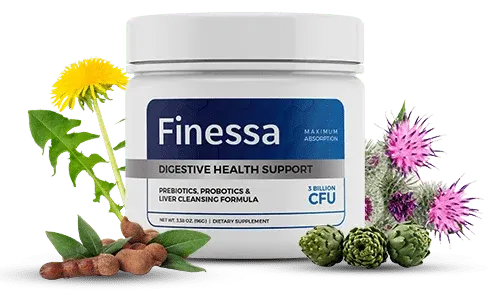
Experience the Finessa Difference for Optimal Digestion
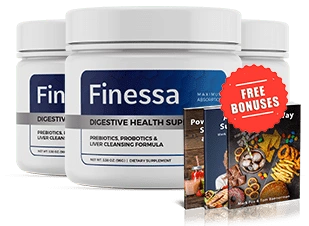
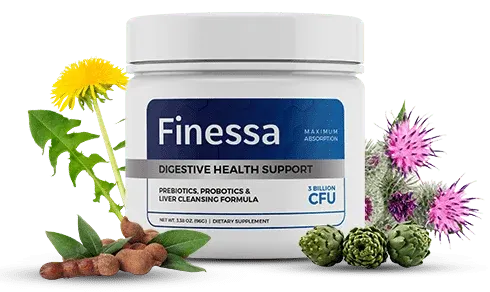
If you're looking for a convenient, high-quality, and reliable way to incorporate powerful digestive support into your daily routine, Finessa offers a premium solution. Crafted with a carefully selected blend of natural ingredients designed to promote regularity, soothe your gut, and enhance overall digestive wellness, Finessa is your trusted partner in achieving daily comfort and long-term gut health. Move beyond temporary fixes and embrace a holistic approach with Finessa.
- Supports healthy bowel regularity and consistency
- Alleviates uncomfortable bloating, gas, and discomfort
- Nourishes and balances a healthy gut microbiome
- Made with premium, all-natural ingredients for purity
- Backed by a confident 60-day money-back guarantee




Real Stories, Real Relief: What Our Customers Say
"Finessa has been a game-changer for my chronic constipation. I've tried so many things, but this is the first that actually works gently and consistently. I feel so much lighter and more comfortable every day, and my energy levels have improved dramatically!"
"I used to suffer from terrible bloating and gas after almost every meal, making me self-conscious and uncomfortable. Since starting Finessa, that's almost completely disappeared. My digestion feels smoother, and I have more energy throughout the day. Highly recommend this product!"
"As someone with a very sensitive stomach, finding a supplement that doesn't cause more issues is incredibly tough. Finessa is gentle yet incredibly effective. My regularity has improved significantly without any discomfort or harsh side effects. It's truly a blessing!"
Frequently Asked Questions
What exactly is Aloe Vera and how does it help digestion?
+Aloe Vera is a succulent plant whose inner leaf gel contains beneficial compounds like polysaccharides and anthraquinones. For digestion, it acts as a gentle laxative to promote regularity, soothes inflammation in the gut lining, and can support a healthy gut microbiome, all contributing to improved digestive comfort.
Is all Aloe Vera safe for internal consumption?
+No. It's crucial to use only purified, decolorized inner leaf Aloe Vera gel or products specifically labeled aloin-free and intended for internal use. The yellow latex layer (aloin) found in the whole leaf can have strong laxative effects and cause adverse side effects if consumed regularly.
How should I take Aloe Vera for digestive benefits?
+The most common ways are through aloin-free Aloe Vera juice or supplements (capsules/tablets). For juice, start with 2-4 ounces daily and adjust as needed. For supplements, follow the product's dosage instructions. Consistency is key for optimal results.
Can Aloe Vera help with chronic constipation?
+Yes, Aloe Vera can be very effective for chronic constipation due to its natural laxative compounds (anthraquinones) that stimulate bowel movements. However, it's important to use aloin-free products and consult a healthcare professional for long-term management of chronic conditions.
Are there any side effects or contraindications for using Aloe Vera internally?
+When using aloin-containing products, side effects can include cramps, diarrhea, and electrolyte imbalances. Even aloin-free products can cause mild digestive upset in some. Pregnant/breastfeeding individuals, children, and those with certain medical conditions or on specific medications should avoid it or consult a doctor first.
How long does it take to see results from using Aloe Vera for digestion?
+The time to see results can vary. Some individuals may experience relief from constipation within a few hours to a day, while others seeking broader gut health benefits like reduced inflammation or improved regularity might notice changes over several days to a few weeks of consistent use.
Related Articles