Feeling sluggish, bloated, or struggling with digestive irregularity?
You're not alone. Millions of people experience persistent gut issues like constipation, which can significantly impact daily comfort and overall well-being. While diet and hydration are often highlighted, one powerful, yet frequently overlooked, tool in your digestive health arsenal is exercise.
Integrating the right physical activity into your routine can be a game-changer, helping to regulate bowel movements, reduce inflammation, and even improve your gut microbiome. This article will guide you through the best workouts to improve digestion and offer practical advice to make exercise a cornerstone of your gut health strategy.
The Powerful Connection: Exercise and Your Gut
Beyond strengthening muscles and boosting cardiovascular health, regular physical activity plays a critical, often underestimated, role in maintaining a healthy digestive system. It's a two-way street: a healthy gut can enhance your exercise performance, and consistent exercise can significantly improve gut function.
When you engage in physical activity, your entire body benefits, and your digestive system is no exception. Exercise helps to stimulate the muscles of your intestines, which are responsible for peristalsis – the wave-like contractions that move food and waste through your digestive tract. This increased motility is crucial for preventing stagnation, reducing bloating, and alleviating constipation. Think of it as a natural internal massage for your bowels.
Moreover, exercise can positively influence your gut microbiome, the complex community of trillions of bacteria and other microorganisms residing in your intestines. Studies show that physically active individuals tend to have a more diverse and beneficial gut flora compared to their sedentary counterparts. A diverse microbiome is linked to better digestion, enhanced immune function, and even improved mood. This beneficial shift can lead to reduced inflammation and a stronger gut barrier, making you less susceptible to digestive discomfort and issues.
Another significant benefit comes from exercise's ability to reduce stress. High levels of stress can wreak havoc on your gut, often manifesting as irritable bowel syndrome (IBS) symptoms, indigestion, or changes in bowel habits. Physical activity is a proven stress-buster, lowering cortisol levels and promoting relaxation, which in turn calms your nervous system and allows your digestive system to function more optimally. You can learn more about this connection in our article on stress-and-gut-health-anxiety.html.
💡 Key Takeaway
Regular exercise significantly boosts gut motility, diversifies the gut microbiome, and reduces stress, all of which are crucial for preventing and alleviating common digestive issues like constipation and bloating.
How Exercise Directly Improves Digestion and Relieves Constipation
Understanding the mechanisms by which exercise benefits your gut can motivate you to lace up your shoes. It's not just about burning calories; it's about optimizing internal processes that keep you feeling light and regular.
Enhances Peristalsis
Exercise stimulates the natural contractions of intestinal muscles. This helps food waste move more quickly through the colon, preventing it from sitting too long and becoming hard and difficult to pass. This direct action is key to relieving and preventing constipation.
Increases Blood Flow
Physical activity boosts circulation throughout your body, including to your digestive organs. Improved blood flow ensures that your gut receives adequate oxygen and nutrients, supporting the health and function of digestive cells and promoting efficient nutrient absorption.
Reduces Inflammation
Chronic inflammation in the gut can contribute to various digestive disorders. Regular, moderate exercise has anti-inflammatory effects throughout the body, including the gut, helping to soothe irritation and promote a healthier gut lining. This contributes to overall digestive comfort.
Balances Gut Microbiome
Research suggests that consistent exercise can increase the diversity and presence of beneficial bacteria in the gut. A balanced microbiome is essential for breaking down food, producing vital vitamins, and protecting against pathogens, thereby improving overall digestive efficiency.
Stress Reduction
As mentioned, stress is a major disruptor of gut health. Exercise is a powerful stress reliever, helping to lower cortisol levels and activate the parasympathetic nervous system ("rest and digest"). This calm state allows your digestive system to work as it should, reducing stress-induced symptoms like bloating and discomfort.
Strengthens Core Muscles
Exercises that engage your core, such as Pilates or specific yoga poses, can indirectly support digestion by strengthening the abdominal muscles. A strong core can aid in bowel movements by providing better support and facilitating the necessary pressure for elimination.
The Best Workouts for a Happy Gut
Not all exercises are created equal when it comes to gut health. While any movement is better than none, certain types of workouts are particularly effective at promoting healthy digestion and alleviating common issues like constipation.
1. Aerobic Exercise (Cardio): This is arguably the most beneficial type of exercise for general digestive health. Activities like brisk walking, jogging, cycling, swimming, and dancing increase your heart rate and breathing, which in turn stimulates the natural contractions of your intestinal muscles. Aim for at least 30 minutes of moderate-intensity aerobic activity most days of the week. Even a 10-15 minute walk after meals can significantly aid digestion and prevent post-meal sluggishness.
2. Yoga and Pilates: These practices are excellent for gut health due to their emphasis on core strength, flexibility, and mindful breathing. Many yoga poses involve twisting or compressing the abdominal organs, which can act as a gentle massage, stimulating peristalsis and releasing trapped gas. Poses like spinal twists, child's pose, and seated forward bends are particularly helpful. Pilates, with its focus on deep core engagement, strengthens the abdominal muscles, which can provide better support for bowel movements.
3. Strength Training: While not as directly stimulating to peristalsis as cardio, strength training contributes to overall physical health, reduces systemic inflammation, and helps manage stress – all factors that indirectly benefit gut health. Building muscle mass can also improve metabolism and energy levels, which supports a more active lifestyle conducive to good digestion.
4. Abdominal Massage and Gentle Core Work: Beyond formal exercise, gentle abdominal massage can be incredibly effective for stimulating bowel movements, especially for those with chronic constipation. Lying on your back and gently massaging your abdomen in a clockwise direction (following the path of the large intestine) can help move stool along. Incorporating gentle core exercises, such as pelvic tilts or knee-to-chest stretches, can also provide relief.
Remember, consistency is far more important than intensity. Even short bursts of activity throughout the day can add up and make a difference. Break up long periods of sitting with short walks, stretches, or light core exercises to keep your digestive system moving.
Practical Tips for Integrating Exercise into Your Gut Health Routine
Start Small and Be Consistent
Don't feel pressured to run a marathon. Begin with short, manageable sessions, like a 15-minute brisk walk daily. Consistency builds habits and allows your body to adapt, leading to more sustainable gut health improvements over time.
Stay Hydrated
Exercise increases fluid loss, and dehydration is a major contributor to constipation. Ensure you drink plenty of water throughout the day, especially before, during, and after your workouts. Water helps keep stool soft and easy to pass.
Combine with a Balanced Diet
Exercise works best when paired with a diet rich in fiber (fruits, vegetables, whole grains) and prebiotics. These dietary components feed your beneficial gut bacteria, enhancing the positive effects of physical activity on your microbiome. For more natural remedies, see natural-gut-health-relief-remedies.html.
Listen to Your Body
Pay attention to how different exercises affect your digestion. If an intense workout exacerbates symptoms, try a more moderate activity. Adjust your routine based on your body's signals and consult a healthcare professional if discomfort persists.
Beyond Exercise: Comprehensive Gut Health Support
While exercise is a fundamental pillar of digestive wellness, it's part of a larger picture. For optimal gut health, it's crucial to address other factors that influence your digestive system. This includes maintaining a balanced diet rich in fiber, staying adequately hydrated, managing stress effectively, and ensuring sufficient sleep.
Sometimes, even with a dedicated exercise routine and a healthy diet, individuals may still experience persistent digestive challenges, especially chronic constipation or irregularity. This is where targeted nutritional support can play a vital role. Supplements designed to support gut health can provide essential ingredients that may be lacking in the modern diet or offer an extra boost to an already healthy lifestyle. These supplements often contain fiber, prebiotics, probiotics, and soothing botanical extracts that work synergistically to promote regularity, balance the gut microbiome, and reduce discomfort.
Understanding the intricate relationship between your lifestyle choices and your gut is key to achieving lasting digestive comfort. For a deeper dive into the world within, explore our article on gut-microbiome-what-it-is.html.
Finessa: A Natural Partner for Your Digestive Journey
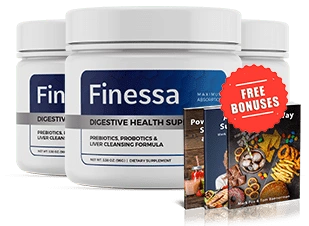
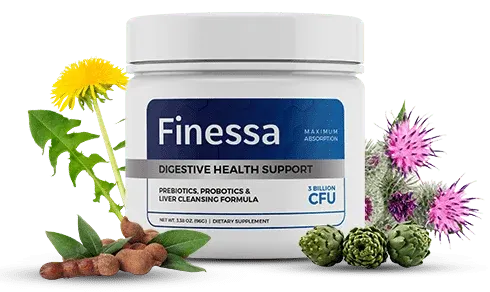
For those seeking an additional layer of support to complement their exercise and dietary efforts, Finessa offers a carefully formulated blend of natural ingredients known for their digestive benefits. Finessa is designed to gently support regularity, soothe the digestive tract, and foster a balanced gut environment, working in harmony with your active lifestyle.

Psyllium Husk
Role: A bulk-forming fiber that absorbs water in the gut, forming a gel that aids in smooth bowel movements and promotes regularity.
500-1000mg per serving
Glucomannan
Role: A soluble dietary fiber that helps absorb water, creating bulk to facilitate waste elimination and support a feeling of fullness.
200-500mg per serving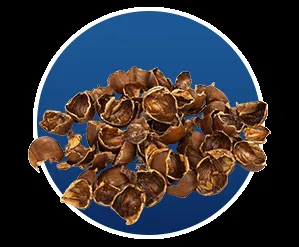
Apple Pectin
Role: A prebiotic fiber that nourishes beneficial gut bacteria, supporting a healthy microbiome and aiding in stool consistency.
100-300mg per serving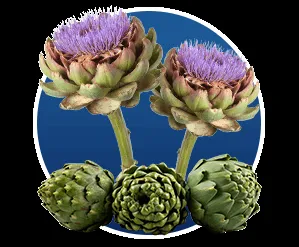
Aloe Vera Extract
Role: Known for its soothing properties, it helps calm the digestive tract, reduce inflammation, and may gently promote bowel regularity.
50-150mg per serving
Ginger Root
Role: Traditionally used to alleviate nausea and indigestion, ginger stimulates digestive enzymes and helps move food through the gut.
50-100mg per serving
Peppermint Leaf
Role: A natural antispasmodic that can relax the muscles of the digestive tract, easing bloating, gas, and abdominal discomfort.
30-70mg per serving
L-Glutamine
Role: An amino acid crucial for gut barrier integrity, helping to repair and maintain the intestinal lining, which is vital for overall gut health.
25-50mg per serving
Probiotic Blend (L. acidophilus)
Role: Introduces beneficial bacteria to the gut, supporting a balanced microbiome, enhancing digestion, and improving immune function.
5-10 Billion CFU per serving
Ready for a Happier, Healthier Gut?
Take control of your digestive well-being. Combine the power of exercise with Finessa's natural support for optimal results. Finessa is formulated to help you achieve consistent regularity and comfort.
- ✓ Promotes Healthy Bowel Movements
- ✓ Reduces Bloating & Discomfort
- ✓ Supports a Balanced Gut Microbiome
- ✓ Made with 100% Natural Ingredients
- ✓ Non-GMO & GMP Certified




What Our Customers Are Saying
"After years of struggling with irregular digestion and bloating, Finessa, combined with my new walking routine, has been a miracle. I feel lighter, more energetic, and finally regular. It's truly changed my daily comfort!"
"I was skeptical at first, but Finessa's natural ingredients really work. Paired with my yoga practice, my gut feels so much happier. No more constant discomfort, just smooth, easy digestion. Highly recommend!"
"As someone who cycles regularly, I thought my digestion was fine. But Finessa took it to the next level. I feel less bloated, more consistent, and overall healthier. It's an excellent addition to my fitness regimen."
Frequently Asked Questions
How does exercise directly impact my digestive system?
+Exercise stimulates the muscles of your intestines, helping to move food and waste through your digestive tract more efficiently. This process, known as peristalsis, can significantly reduce transit time, alleviate bloating, and prevent constipation. Regular physical activity also enhances blood flow to your digestive organs, promoting better nutrient absorption and overall gut function.
What types of exercise are best for improving constipation?
+For constipation, low to moderate-intensity aerobic exercises like brisk walking, jogging, cycling, and swimming are particularly effective. These activities gently stimulate the bowels. Yoga and Pilates can also be beneficial as they incorporate twisting poses and core engagement that massage the internal organs and encourage bowel movements. Consistency is key, aiming for at least 30 minutes most days of the week.
Can intense workouts negatively affect gut health?
+While moderate exercise is beneficial, very high-intensity or prolonged strenuous exercise can sometimes cause temporary digestive issues in some individuals. This is often due to blood being shunted away from the digestive tract to working muscles, potentially leading to symptoms like nausea, cramping, or diarrhea. It's important to listen to your body, stay hydrated, and ensure you're fueling properly before and after intense sessions. If you experience persistent issues, consult a healthcare professional.
How quickly can I expect to see improvements in my digestion from exercise?
+Many individuals report feeling improvements in digestive regularity within a few days to a couple of weeks of consistently incorporating exercise into their routine. For more chronic issues like constipation, it might take a bit longer, perhaps 3-4 weeks, to establish a noticeable and sustained positive change. Combining exercise with a balanced diet and adequate hydration will accelerate these benefits.
Is there a specific time of day that is best to exercise for digestion?
+There's no single "best" time, as consistency is more important. However, some people find that a morning walk or light exercise can help stimulate bowel movements early in the day. Others prefer exercising in the afternoon or evening as a way to relieve stress, which can also positively impact digestion. Experiment to find what works best with your body and schedule.
How does Finessa complement an exercise routine for gut health?
+Finessa is designed to support digestive health by providing a blend of natural ingredients that promote regularity, balance the gut microbiome, and soothe the digestive tract. When combined with a consistent exercise routine, Finessa can help optimize the benefits of physical activity, providing comprehensive support for improved digestion, reduced bloating, and relief from constipation. It acts as a synergistic aid to your active lifestyle, helping you achieve peak digestive comfort and efficiency.
Related Articles