Are you tired of IBS dictating your life?
The unpredictable nature of Irritable Bowel Syndrome (IBS) can be incredibly frustrating, impacting everything from your diet choices to your social plans. Millions worldwide grapple with its relentless symptoms – debilitating abdominal pain, persistent bloating, gas, and erratic bowel habits that swing between constipation and diarrhea.
While conventional medicine offers some symptomatic relief, many individuals seek a deeper, more holistic approach. They yearn for solutions that don't just mask the problem but address the root causes of digestive discomfort, offering sustainable relief and improved quality of life.
Understanding Irritable Bowel Syndrome (IBS): More Than Just a "Sensitive Stomach"
Irritable Bowel Syndrome (IBS) is a chronic gastrointestinal disorder affecting the large intestine, impacting millions of lives with its disruptive and often painful symptoms. It's not merely a "sensitive stomach" but a complex condition characterized by a group of symptoms that occur together, without any visible signs of damage or disease in the digestive tract.
The hallmark symptoms of IBS include persistent abdominal pain and cramping, often relieved by a bowel movement. This pain is frequently accompanied by bloating, gas, and altered bowel habits, which can manifest as diarrhea (IBS-D), constipation (IBS-C), or a mixed pattern of both (IBS-M). The unpredictable nature of these symptoms makes IBS particularly challenging to manage, leading to significant distress and a reduced quality of life for sufferers.
Unlike inflammatory bowel diseases (IBD) like Crohn's or ulcerative colitis, IBS does not cause inflammation or permanent damage to the bowel. Instead, it's considered a "functional" disorder, meaning there's a problem with how the gut works. The exact cause of IBS remains unknown, but research points to several contributing factors:
- Gut-Brain Axis Dysfunction: A disruption in the communication pathway between the brain and the gut, leading to heightened sensitivity and abnormal gut motility.
- Altered Gut Microbiome: Imbalances in the beneficial and harmful bacteria in the intestine, known as dysbiosis, can play a significant role.
- Gut Motility Issues: The muscles in the bowel may contract too strongly or too weakly, leading to fast or slow transit times.
- Visceral Hypersensitivity: An increased sensitivity to pain signals from the gut, making normal digestive processes feel uncomfortable or painful.
- Post-Infectious IBS: Some individuals develop IBS after a severe bout of gastroenteritis.
- Genetics and Stress: A family history of IBS and chronic psychological stress are also recognized triggers and exacerbating factors.
Diagnosing IBS typically involves ruling out other conditions with similar symptoms, such as celiac disease, lactose intolerance, or IBD. Doctors use the Rome IV criteria, which define IBS based on recurrent abdominal pain, on average, at least one day a week in the last three months, associated with two or more of the following: related to defecation, associated with a change in frequency of stool, or associated with a change in form (appearance) of stool.
Living with IBS can be isolating and frustrating, as the invisible nature of the condition often leads to a lack of understanding from others. Many conventional treatments focus on symptom management, using medications to control diarrhea, constipation, or pain. However, these often come with side effects and don't always address the underlying imbalances. This is why a growing number of individuals are turning to natural gut health relief remedies, seeking gentler, more holistic solutions that aim to restore balance and long-term well-being.
💡 Key Takeaway
Irritable Bowel Syndrome (IBS) is a common, chronic functional gut disorder characterized by abdominal pain, bloating, gas, and altered bowel habits. It's caused by a complex interplay of factors including gut-brain axis dysfunction, microbiome imbalances, and gut hypersensitivity, often prompting sufferers to seek natural, holistic relief beyond conventional symptom management.
The Holistic Approach: Why Natural Remedies for IBS?
When facing a chronic condition like IBS, many people find that a purely symptomatic approach falls short. Natural remedies offer a holistic perspective, aiming to support the body's innate healing mechanisms and restore balance to the digestive system and the entire body.
Addresses Root Causes, Not Just Symptoms
Unlike some conventional medications that primarily target individual symptoms, natural remedies often work by addressing the underlying imbalances contributing to IBS, such as gut dysbiosis, inflammation, or gut-brain axis dysfunction. This can lead to more sustained and comprehensive relief rather than temporary fixes.
Fewer Side Effects and Better Tolerability
Many natural ingredients and lifestyle interventions are generally well-tolerated and come with fewer or milder side effects compared to pharmaceutical options. This makes them an attractive choice for long-term management, especially for a chronic condition like IBS where continuous treatment is often required.
Empowerment Through Self-Management
Adopting natural strategies often involves making conscious choices about diet, lifestyle, and stress management. This active participation can empower individuals, giving them a greater sense of control over their health and well-being, which is particularly beneficial for a condition as unpredictable as IBS.
Integrative and Synergistic Benefits
Natural approaches often combine dietary changes, herbal supplements, stress reduction techniques, and targeted nutritional support. This multi-faceted strategy can create a synergistic effect, where different interventions work together to provide more profound and lasting relief than any single approach alone. It acknowledges the complex interplay of factors contributing to IBS.
Pillars of Natural IBS Management: Diet, Lifestyle, and Mind-Gut Connection
Effectively managing IBS naturally requires a multi-pronged strategy that addresses not just what you eat, but how you live and how you manage stress. These pillars form the foundation of sustainable relief.
One of the most impactful natural remedies for IBS is dietary modification. The low-FODMAP diet, for instance, has gained significant traction and scientific backing. FODMAPs (Fermentable Oligosaccharides, Disaccharides, Monosaccharides, and Polyols) are types of carbohydrates that can be poorly absorbed in the small intestine, leading to fermentation by gut bacteria and subsequent gas, bloating, and pain in sensitive individuals. Eliminating high-FODMAP foods temporarily, then reintroducing them systematically, can help identify personal triggers and significantly reduce symptoms. Beyond FODMAPs, ensuring adequate fiber intake (both soluble and insoluble, balanced carefully), staying well-hydrated, and avoiding common irritants like excessive caffeine, alcohol, and artificial sweeteners are crucial steps. For more specific guidance on tailored dietary approaches, you might find our article on gentle bowel support supplements insightful.
Equally important are lifestyle adjustments. Regular physical activity, even moderate exercise like walking, can help stimulate normal bowel function, reduce stress, and improve overall well-being. Establishing a consistent sleep schedule is also vital, as poor sleep can exacerbate IBS symptoms and disrupt the gut-brain axis. Avoiding smoking and minimizing exposure to environmental toxins can further support digestive health.
The profound connection between the brain and the gut, often referred to as the gut-brain axis, means that stress and anxiety can significantly worsen IBS symptoms. Therefore, stress management is a cornerstone of natural IBS relief. Techniques such as mindfulness meditation, deep breathing exercises, yoga, and guided imagery can help calm the nervous system and reduce visceral hypersensitivity. Cognitive Behavioral Therapy (CBT) and hypnotherapy have also shown remarkable effectiveness in helping individuals manage their IBS symptoms by retraining the brain's response to gut signals. Understanding this intricate connection is key to holistic healing, and you can delve deeper into this topic by exploring natural gut health relief remedies that focus on this interplay.
Finally, supporting the gut microbiome through targeted supplementation is a powerful natural remedy. The balance of bacteria in your gut significantly influences digestive function, immune health, and even mood. Probiotics, which introduce beneficial bacteria, and prebiotics, which feed these beneficial bacteria, can help restore a healthy microbial ecosystem. Fermented foods like kimchi, sauerkraut, and kefir also offer natural sources of probiotics. Ensuring a diverse and thriving gut flora is a proactive step towards long-term digestive comfort. Our detailed guide on regularity and digestion supplements provides further insights into microbiome support.
Beyond Diet: Lifestyle Changes to Harmonize Your Digestion
While diet is a significant factor, your daily habits and how you manage stress also play a crucial role in regulating IBS symptoms. Integrating these lifestyle changes can create a more resilient and harmonious digestive system.
Embrace Regular Physical Activity
Engaging in moderate exercise for at least 30 minutes most days of the week can significantly improve IBS symptoms. Physical activity helps stimulate normal contractions of the intestines, reducing constipation, and also acts as a powerful stress reliever, easing the gut-brain axis tension. It doesn't have to be intense; even daily brisk walking can make a noticeable difference.
Prioritize Quality Sleep
Sleep is a fundamental pillar of health, and its disruption can profoundly impact gut function. Chronic sleep deprivation can exacerbate inflammation, alter gut microbiome composition, and heighten pain sensitivity. Aim for 7-9 hours of uninterrupted sleep each night to allow your body and gut to repair and regulate effectively. Establishing a consistent sleep schedule and creating a calming bedtime routine can be transformative.
Cultivate Mindfulness and Stress Reduction
Given the strong link between stress and IBS, integrating mindfulness practices into your daily life is paramount. Techniques such as meditation, deep diaphragmatic breathing, yoga, or even spending time in nature can help calm the nervous system, reduce anxiety, and lessen the intensity of gut sensations. Learning to manage stress effectively can significantly reduce the frequency and severity of IBS flare-ups.
Stay Hydrated Consistently
Adequate water intake is crucial for digestive health, especially for those with IBS. Water helps soften stool, preventing constipation, and ensures smooth transit through the digestive tract. Aim for at least 8 glasses of water daily, and more if you are physically active or live in a hot climate. Herbal teas can also contribute to hydration and offer additional gut-soothing benefits.
Practice Mindful Eating
Beyond *what* you eat, *how* you eat matters. Eating slowly, chewing your food thoroughly, and paying attention to your body's hunger and fullness cues can improve digestion and reduce symptoms like bloating and gas. Avoid rushing meals or eating when stressed, as this can impede digestive processes. Mindful eating fosters a better relationship with food and your body's signals.
Consider Gut-Directed Hypnotherapy
For some individuals with IBS, gut-directed hypnotherapy (GDH) has proven to be a highly effective treatment. GDH focuses on guiding the mind to relax the gut, regulate bowel function, and reduce pain sensitivity. It can help improve gut motility and reduce the perception of discomfort, offering a powerful tool for managing chronic IBS symptoms, particularly when stress and anxiety are significant factors.
Finessa's Core Ingredients: A Symphony for Gut Health Relief
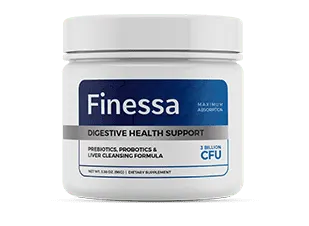
Finessa is crafted with a synergistic blend of natural ingredients, each carefully selected for its scientifically-backed role in supporting digestive health and alleviating the discomfort of IBS. This comprehensive formula goes beyond symptomatic relief to foster a balanced, resilient gut.

L-Glutamine
Role: An essential amino acid crucial for the health of the intestinal lining. It helps maintain the integrity of the gut barrier, reducing "leaky gut" and supporting the repair of damaged intestinal cells, which is vital for reducing inflammation and improving nutrient absorption in IBS sufferers.
Typical Dose: 2-5g daily
Berberine HCL
Role: A powerful plant alkaloid known for its antimicrobial properties. It helps balance the gut microbiome by inhibiting the growth of harmful bacteria and yeast, while promoting beneficial flora. Berberine also supports healthy gut motility and has anti-inflammatory effects, making it beneficial for IBS-D and overall gut harmony.
Typical Dose: 500-1500mg daily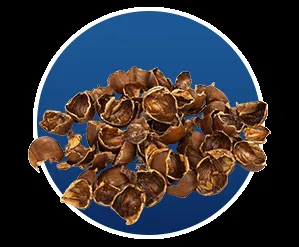
Marshmallow Root
Role: A mucilaginous herb that forms a protective, gel-like layer over irritated mucous membranes in the digestive tract. This soothing action helps reduce inflammation, alleviate pain, and protect the gut lining from further damage, offering gentle relief for both IBS-C and IBS-D symptoms.
Typical Dose: 1-6g daily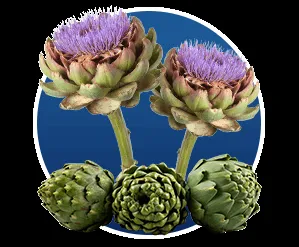
Slippery Elm Bark
Role: Similar to marshmallow root, slippery elm bark contains mucilage that coats and soothes the digestive tract. It helps calm irritation, reduce inflammation, and can provide bulk to stool for IBS-D or soften stool for IBS-C, promoting more regular and comfortable bowel movements.
Typical Dose: 500-2000mg daily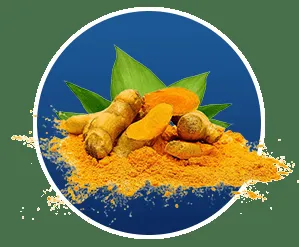
Psyllium Husk
Role: A soluble fiber that absorbs water in the gut, forming a gel that aids in stool formation. It can soften hard stools in IBS-C, making them easier to pass, and add bulk to loose stools in IBS-D, helping to regulate bowel movements. It also acts as a prebiotic, feeding beneficial gut bacteria.
Typical Dose: 5-10g daily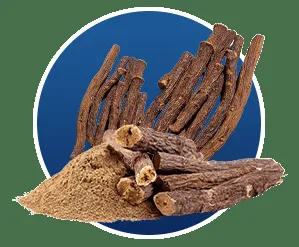
Bentonite Clay
Role: A natural detoxifier that can bind to toxins, heavy metals, and other impurities in the digestive tract, facilitating their removal from the body. It may help reduce gas and bloating by absorbing excess gas and supporting a cleaner gut environment, which can be particularly helpful for IBS-D.
Typical Dose: 1-3g daily
Aloe Vera (Leaf)
Role: Renowned for its soothing and anti-inflammatory properties. The inner leaf gel of aloe vera can help calm an irritated gut lining, reduce inflammation, and promote healing. It also has mild laxative properties, which can be beneficial for those with IBS-C, while supporting overall digestive comfort.
Typical Dose: 50-200mg extract daily
Lactobacillus Acidophilus
Role: A well-researched probiotic strain vital for a healthy gut microbiome. It helps break down food, produce beneficial compounds, and inhibit the growth of pathogenic bacteria. Supplementing with L. Acidophilus can improve digestion, reduce bloating and gas, and support immune function, crucial for IBS management.
Typical Dose: 1-10 billion CFUs daily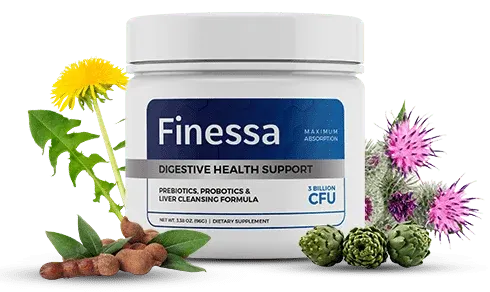
Experience the Finessa Difference: Comprehensive Gut Health Support
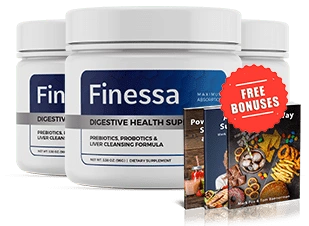
If you're seeking a natural, effective way to reclaim your digestive comfort and manage IBS symptoms, Finessa offers a meticulously crafted solution. Our advanced formula combines scientifically-backed ingredients to target multiple facets of gut health, providing holistic relief and long-term well-being.
- ✓ Soothes Digestive Discomfort: Alleviates abdominal pain, cramping, and irritation.
- ✓ Reduces Bloating & Gas: Supports healthy digestion to minimize uncomfortable symptoms.
- ✓ Promotes Regularity: Helps balance bowel movements, whether you struggle with constipation or diarrhea.
- ✓ Supports Gut Barrier Integrity: Aids in repairing and strengthening the intestinal lining.
- ✓ Balances Gut Microbiome: Fosters a healthy environment for beneficial bacteria.



Hear From Our Happy Customers
"I've struggled with IBS for years, and Finessa has been a game-changer. The bloating and discomfort are significantly reduced, and I feel so much more regular. It's truly given me my life back!"
"After trying countless remedies, Finessa is the first supplement that has made a real difference for my IBS-D. My gut feels calmer, and I have much fewer urgent bathroom trips. Highly recommend!"
"Finessa helped me finally understand what 'gut health' really feels like. My digestion is smoother, the constant gas is gone, and I have more energy. It's a staple in my daily routine now."
Frequently Asked Questions
What is Irritable Bowel Syndrome (IBS)?
+Irritable Bowel Syndrome (IBS) is a common chronic disorder affecting the large intestine. It's characterized by a group of symptoms that occur together, including abdominal pain, cramping, bloating, gas, and changes in bowel habits (diarrhea, constipation, or both). IBS is a functional disorder, meaning there's no visible damage or inflammation to the digestive tract, but its function is disrupted. It's often linked to gut-brain axis dysfunction, heightened gut sensitivity, and alterations in the gut microbiome.
Are natural remedies effective for IBS?
+Many natural remedies can be highly effective in managing IBS symptoms, especially when integrated into a comprehensive approach that includes dietary adjustments, lifestyle changes, and stress management techniques. While individual responses vary, remedies like the low-FODMAP diet, peppermint oil, probiotics, and certain herbal extracts have shown promising results in clinical studies. It's crucial to consult with a healthcare professional to determine the best natural strategies for your specific IBS type and symptoms.
How does Finessa support natural gut health for IBS?
+Finessa is formulated with a blend of natural ingredients specifically chosen for their known benefits in supporting digestive health and alleviating common IBS symptoms. Its ingredients work synergistically to help reduce inflammation, soothe gut irritation, promote a balanced gut microbiome, and support healthy bowel function. By addressing multiple facets of gut health, Finessa aims to provide comprehensive relief and support the body's natural healing processes, complementing other natural approaches.
What are the key ingredients in Finessa and how do they work?
+Finessa contains a carefully selected array of ingredients such as L-Glutamine for gut lining repair, Berberine HCL for microbial balance, and various herbal extracts like Marshmallow Root and Slippery Elm Bark known for their soothing properties. Other ingredients like Psyllium Husk provide gentle fiber, while probiotics like Lactobacillus Acidophilus support a healthy microbiome. Each ingredient targets different aspects of digestive discomfort and gut health, offering a multi-pronged approach to IBS relief.
How long does it take to see results with natural IBS remedies or Finessa?
+The timeline for experiencing relief from IBS symptoms using natural remedies, including Finessa, can vary significantly among individuals. Some people may notice improvements within a few days or weeks, while for others, it might take a month or two of consistent use to observe substantial changes. Factors like the severity of symptoms, adherence to dietary and lifestyle recommendations, and individual body chemistry play a role. Consistency is key for optimal results.
Is Finessa safe to use with other medications or conditions?
+Finessa is made with natural ingredients, but it's always recommended to consult with your healthcare provider before starting any new supplement, especially if you are taking other medications or have pre-existing medical conditions. While generally well-tolerated, certain ingredients might interact with specific medications or be contraindicated in particular health situations. Your doctor can provide personalized advice based on your complete health profile.
Related Articles