Do you often feel uncomfortably full, gassy, or swollen after a meal?
You're not alone. Bloating after eating is a common complaint, affecting a significant portion of the population. It's that sensation where your stomach feels distended, tight, or excessively full, often accompanied by gas, discomfort, or even pain. While occasionally bloating is normal, when it becomes a regular occurrence, it can significantly impact your quality of life and signal underlying digestive issues.
Understanding the root causes of this post-meal discomfort is the first step towards finding lasting relief. From dietary choices to eating habits and even underlying medical conditions like constipation and digestive irregularity, numerous factors can contribute to that unwelcome puffy feeling. This comprehensive guide will delve into why you might be experiencing bloating, offer immediate relief strategies, and provide long-term solutions to help you reclaim digestive comfort.
What Exactly Is Bloating and Why Does It Happen?
Bloating is more than just feeling full; it's a sensation of abdominal distension, often caused by an excessive accumulation of gas in the gastrointestinal (GI) tract. This gas can be a byproduct of digestion, swallowed air, or imbalances in gut bacteria.
When you eat, your digestive system begins a complex process of breaking down food. During this process, various factors can lead to gas production and retention. The feeling of bloating can range from mild discomfort to significant pain, making everyday activities challenging. It's often distinguishable from simple stomach fullness by the accompanying symptoms like visible abdominal swelling, excessive burping, flatulence, and rumbling noises in the gut. Understanding this distinction is crucial for effective management.
For many, the primary culprit behind chronic bloating is **constipation and digestive irregularity**. When waste products linger in the colon for too long, they continue to ferment, producing more gas. This trapped gas, combined with the physical bulk of stagnant stool, creates significant pressure and distension, leading to that uncomfortable bloated feeling. Addressing constipation is often the most direct route to alleviating persistent bloating.
💡 Key Takeaway
Bloating after eating is primarily caused by excess gas in the GI tract, often exacerbated by diet, eating habits, and crucially, underlying issues like constipation and digestive irregularity. Identifying and addressing these factors is key to relief.
Common Causes of Bloating After Eating
Bloating is a multifaceted issue, with its origins often stemming from a combination of dietary choices, lifestyle habits, and physiological responses. Pinpointing the specific triggers is essential for effective management.
1. Dietary Factors
What you eat plays a monumental role in how your digestive system behaves. Certain foods are notorious for causing gas and bloating:
- High-FODMAP Foods: FODMAPs (Fermentable Oligo-, Di-, Mono-saccharides and Polyols) are short-chain carbohydrates that are poorly absorbed in the small intestine. They draw water into the bowel and are rapidly fermented by gut bacteria in the colon, producing gas. Examples include certain fruits (apples, pears, watermelon), vegetables (onions, garlic, broccoli), legumes (beans, lentils), dairy products (lactose), and wheat.
- Excessive Fiber Intake: While fiber is crucial for digestive health, a sudden increase or an overly high intake of certain types of fiber, especially insoluble fiber, can lead to increased gas production and bloating as bacteria break it down.
- Carbonated Beverages: The bubbles in sodas, sparkling water, and beer introduce air directly into your digestive tract, leading to a swollen feeling.
- Artificial Sweeteners: Sorbitol, mannitol, and xylitol, commonly found in sugar-free products, are poorly absorbed and can cause gas, bloating, and even diarrhea in sensitive individuals.
- High-Fat Foods: Fats take longer to digest, slowing down stomach emptying. This prolonged presence of food in the stomach can contribute to a feeling of fullness and bloating.
- Salt (Sodium): High sodium intake can lead to fluid retention throughout the body, including the abdomen, contributing to a bloated sensation.
- Food Intolerances and Allergies: Conditions like lactose intolerance (inability to digest milk sugar), gluten sensitivity (reaction to proteins in wheat, barley, rye), or other food allergies can trigger severe bloating, gas, and digestive distress.
2. Eating Habits and Lifestyle
Beyond what you eat, *how* you eat can significantly impact your susceptibility to bloating:
- Eating Too Quickly: When you rush through meals, you tend to swallow more air (aerophagia), which can get trapped in your digestive system and cause bloating.
- Not Chewing Food Thoroughly: Inadequate chewing means larger food particles enter the stomach, making them harder for digestive enzymes to break down, leading to increased fermentation and gas.
- Stress and Anxiety: The gut-brain axis is powerful. Stress can alter gut motility, increase visceral sensitivity, and even change the composition of gut bacteria, all contributing to bloating.
- Lack of Physical Activity: Exercise helps stimulate gut motility, aiding in the movement of gas and stool through the digestive tract. A sedentary lifestyle can slow down digestion, leading to stagnation and bloating.
- Smoking: Swallowing air while smoking can contribute to bloating and gas.
3. Underlying Medical Conditions
Sometimes, bloating is a symptom of a more significant underlying health issue. It's particularly important to consider these if bloating is persistent, severe, or accompanied by other concerning symptoms:
- Constipation and Digestive Irregularity: This is arguably one of the most common and overlooked causes of chronic bloating. When stool remains in the colon for extended periods, it ferments and produces gas. The sheer volume of accumulated stool also creates pressure, leading to abdominal distension and discomfort. Regular bowel movements are crucial for preventing this type of bloating.
- Irritable Bowel Syndrome (IBS): A common functional gastrointestinal disorder characterized by abdominal pain, cramping, bloating, gas, and changes in bowel habits (diarrhea, constipation, or both). Bloating is one of the most bothersome symptoms for IBS sufferers.
- Small Intestinal Bacterial Overgrowth (SIBO): This occurs when there's an excessive amount of bacteria in the small intestine, where they normally shouldn't be in large numbers. These bacteria ferment carbohydrates, producing gas that leads to bloating, pain, and malabsorption.
- Celiac Disease: An autoimmune disorder where consuming gluten leads to damage in the small intestine, causing symptoms like bloating, diarrhea, fatigue, and weight loss.
- Inflammatory Bowel Disease (IBD): Conditions like Crohn's disease and ulcerative colitis cause chronic inflammation of the digestive tract, which can lead to bloating, abdominal pain, and severe diarrhea.
- Gastroparesis: A condition where the stomach empties too slowly, leading to bloating, nausea, and early satiety.
- Hormonal Fluctuations: Many women experience bloating around their menstrual cycle due to hormonal changes that can cause fluid retention and affect gut motility.
If you suspect an underlying medical condition, it's crucial to consult a healthcare professional for an accurate diagnosis and personalized treatment plan. Addressing the root cause, especially conditions like constipation and digestive irregularity, is vital for long-term relief from bloating.

Quick Relief Tips for Immediate Bloating Discomfort
When bloating strikes after a meal, you want relief fast. While these tips offer temporary comfort, remember that consistent prevention is key.
Take a Gentle Walk
Light physical activity, even a short stroll, can help stimulate the digestive tract. Movement encourages trapped gas to pass through your system, reducing pressure and discomfort. Aim for 10-15 minutes of gentle walking after a meal.
Sip on Herbal Teas
Certain herbal teas are known for their carminative properties, meaning they help expel gas and soothe the digestive system. Peppermint tea can relax intestinal muscles, while ginger tea aids digestion and reduces inflammation. Fennel tea is also an excellent choice for gas relief.
Apply a Warm Compress
A warm bath or a heating pad placed on your abdomen can help relax your abdominal muscles and ease cramping. The warmth can also promote the movement of gas through your intestines, offering a comforting sensation and temporary relief.
Gentle Abdominal Massage
A gentle massage can help move gas through your digestive tract. Lie on your back and use light pressure, massaging your abdomen in a clockwise direction, following the path of your large intestine. Start from your lower right abdomen, move up to your ribs, across to your left side, and down to your lower left abdomen.
Over-the-Counter Remedies
Simethicone-based products (like Gas-X) work by breaking down gas bubbles in the digestive tract, making them easier to pass. Digestive enzyme supplements can also be taken with meals to help break down complex carbohydrates and proteins, reducing gas production.
Practice Deep Breathing
Stress and anxiety can worsen digestive symptoms. Deep belly breathing can activate the parasympathetic nervous system, promoting relaxation and aiding digestion. Lie down or sit comfortably, place one hand on your belly, and breathe deeply, allowing your abdomen to rise and fall.
Long-Term Strategies for Preventing Bloating
While quick fixes offer temporary comfort, sustained relief from bloating requires a more holistic approach focusing on diet, lifestyle, and gut health. Prevention is always better than cure, especially when it comes to digestive discomfort.
1. Mindful Eating Habits
Changing how you eat can be as important as what you eat:
- Eat Slowly and Chew Thoroughly: This reduces the amount of air you swallow and ensures food is properly broken down before reaching your stomach, easing the digestive burden. Aim for 20-30 chews per bite.
- Avoid Talking While Eating: This also helps minimize swallowed air.
- Don't Overeat: Large meals can overwhelm the digestive system, leading to a feeling of fullness and bloating. Opt for smaller, more frequent meals.
2. Dietary Adjustments
Carefully consider your food choices to reduce gas production and improve digestion:
- Identify and Avoid Trigger Foods: Keep a food diary to track what you eat and when bloating occurs. Common triggers include high-FODMAP foods, carbonated drinks, artificial sweeteners, and certain dairy products. Eliminating these can bring significant relief.
- Increase Fiber Gradually: While fiber is essential, adding it too quickly can cause bloating. Introduce fiber-rich foods like whole grains, fruits, and vegetables slowly to allow your gut to adapt. Focus on soluble fiber, found in oats, apples, and psyllium, which can be gentler.
- Stay Hydrated: Drinking plenty of water throughout the day helps keep food moving through your digestive system and prevents constipation, a major cause of bloating. Aim for 8 glasses of water daily.
- Limit Sodium and Processed Foods: Reduce your intake of high-sodium foods, which can cause water retention. Processed foods often contain hidden sugars, artificial ingredients, and unhealthy fats that can disrupt digestion.
- Incorporate Probiotics: Fermented foods like yogurt, kefir, sauerkraut, and kimchi contain beneficial bacteria that can help balance your gut microbiome, potentially reducing gas and bloating. A high-quality probiotic supplement can also be beneficial.
3. Lifestyle Modifications
Your daily routine has a profound impact on your digestive health:
- Regular Exercise: Physical activity, from walking to more strenuous workouts, stimulates intestinal contractions, helping to move gas and stool through the digestive tract. It also reduces stress, which positively impacts gut health.
- Manage Stress: Chronic stress can wreak havoc on your digestion. Incorporate stress-reduction techniques like meditation, yoga, deep breathing exercises, or spending time in nature into your daily routine.
- Prioritize Sleep: Adequate sleep is crucial for overall health, including digestive function. Aim for 7-9 hours of quality sleep each night.
- Quit Smoking: Smoking introduces air into your digestive system and can negatively impact gut health in numerous ways.
4. Consider Digestive Health Supplements
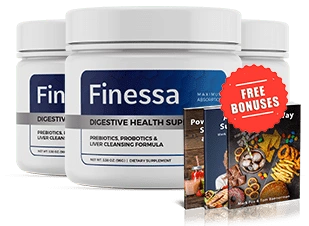
For some, incorporating a targeted digestive health supplement can provide additional support, especially when dealing with persistent constipation and digestive irregularity. Products like Finessa are designed to work synergistically with lifestyle changes to promote a balanced gut, support regularity, and alleviate discomfort.
Finessa, for example, combines natural ingredients known for their roles in improving gut motility, reducing inflammation, and balancing the microbiome. It offers a gentle yet effective way to support your body's natural digestive processes, helping to reduce the frequency and severity of post-meal bloating. To learn more about how Finessa can fit into your routine, you can explore the side effects and safety information, ensuring it aligns with your health goals.
How Finessa Can Support Your Digestive Comfort
While dietary and lifestyle changes are foundational, a well-formulated supplement can offer targeted support, especially for those struggling with persistent bloating and irregular digestion. Finessa is designed to address these common concerns by promoting a healthier, more balanced gut environment.
Promotes Regularity
Finessa includes ingredients that gently stimulate bowel movements, helping to alleviate constipation – a primary driver of bloating. By ensuring efficient waste elimination, it reduces the accumulation of gas and stool that leads to abdominal distension.
Supports Gut Flora Balance
A healthy gut microbiome is crucial for proper digestion and gas reduction. Finessa contains components that foster the growth of beneficial bacteria while discouraging harmful ones, leading to more efficient food breakdown and less gas production.
Soothes Digestive Discomfort
Ingredients in Finessa are chosen for their ability to calm the digestive tract, reduce inflammation, and ease cramping. This helps to mitigate the pain and discomfort often associated with bloating and gas, allowing for a more comfortable post-meal experience.
Enhances Nutrient Absorption
By optimizing digestive function and enzyme activity, Finessa can improve the body's ability to absorb essential nutrients from food. This not only supports overall health but also ensures that food is properly broken down, reducing the likelihood of undigested particles fermenting and causing gas.
Natural and Gentle Formula
Finessa is crafted with a blend of natural, carefully selected ingredients, aiming for a gentle approach to digestive support without harsh chemicals or stimulants. This makes it suitable for daily use as part of a long-term strategy for digestive wellness. Many users report noticeable improvements in their digestive comfort and reduced bloating, as highlighted in numerous Finessa before and after results.
Key Natural Ingredients in Finessa for Digestive Health
Finessa's strength lies in its meticulously chosen blend of natural ingredients, each playing a vital role in promoting digestive harmony and reducing bloating. These components work synergistically to address various aspects of gut health.

Psyllium Husk
Role: A bulk-forming laxative, Psyllium Husk absorbs water in the gut, forming a gel that helps soften stool and promote regular bowel movements. This is crucial for relieving constipation, a major contributor to bloating.
Typical Dose: 3-5g daily
Aloe Vera
Role: Known for its soothing and anti-inflammatory properties, Aloe Vera can help calm irritation in the digestive tract. It also acts as a natural laxative, supporting healthy bowel regularity and reducing discomfort from trapped gas.
Typical Dose: 50-200mg daily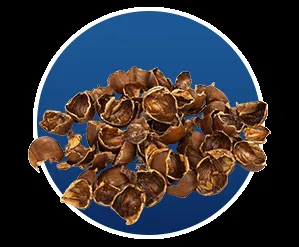
Ginger Root
Role: A powerful digestive aid, Ginger helps stimulate digestive enzymes and promote gastric emptying. It's excellent for reducing nausea, indigestion, and the sensation of fullness and gas often associated with bloating.
Typical Dose: 250-1000mg daily
Fennel Seed
Role: Fennel is a well-known carminative, meaning it helps to relax the smooth muscles of the GI tract, thereby reducing gas and bloating. It can also aid in expelling gas and alleviating abdominal cramping.
Typical Dose: 100-500mg daily
Artichoke Extract
Role: Artichoke extract stimulates bile production, which helps in the digestion of fats. Improved fat digestion can prevent feelings of heaviness and bloating, especially after consuming fatty meals. It also supports liver health.
Typical Dose: 300-600mg daily
Dandelion Root
Role: Acting as a natural diuretic and mild laxative, Dandelion Root helps reduce water retention, which can contribute to bloating. It also supports liver and gallbladder function, aiding in detoxification and digestion.
Typical Dose: 200-500mg daily
Licorice Root
Role: Licorice Root is prized for its ability to soothe and protect the gut lining, particularly beneficial for individuals with irritated digestive tracts. It can help reduce inflammation and discomfort, contributing to overall gut comfort.
Typical Dose: 100-250mg daily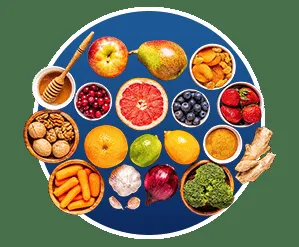
Peppermint Leaf
Role: Peppermint is well-regarded for its antispasmodic properties, helping to relax the smooth muscles of the digestive tract. This can significantly reduce gas, bloating, and abdominal cramps by allowing gas to pass more easily.
Typical Dose: 150-300mg dailyThis synergistic blend of natural ingredients makes Finessa a powerful ally in the fight against bloating and digestive irregularity, providing comprehensive support for a healthier, happier gut. For those seeking the best supplement for bloating and digestive irregularity, Finessa offers a compelling natural solution.
Ready to Say Goodbye to Bloating and Discomfort?
Take control of your digestive health with Finessa, the all-natural supplement designed to tackle bloating, support regularity, and enhance overall gut comfort. Don't let digestive issues hold you back any longer.
- ✓ Reduces Bloating & Gas
- ✓ Promotes Healthy Bowel Movements
- ✓ Supports Balanced Gut Flora
- ✓ Soothes Digestive Discomfort
- ✓ Made with 100% Natural Ingredients




What Our Customers Are Saying About Finessa
"I used to dread meals because of the uncomfortable bloating that followed. Since starting Finessa a few weeks ago, that feeling is almost gone! I feel lighter and more comfortable throughout the day. It's been a game-changer for my digestion."
"For years, I've struggled with irregular bowel movements and constant bloating. Finessa has truly helped regulate my system. I no longer feel sluggish, and the discomfort after eating has significantly reduced. Highly recommend!"
"I was skeptical at first, but Finessa has exceeded my expectations. My energy levels are up, and the embarrassing gas and bloating I experienced daily are now a rare occurrence. It's gentle and effective, exactly what I needed."
Frequently Asked Questions
Why do I feel bloated immediately after eating?
+Bloating immediately after eating is often caused by swallowing air (aerophagia) while eating too quickly, drinking carbonated beverages, or chewing gum. Certain foods that are difficult to digest, like high-FODMAP foods or excessive fiber, can also contribute as they ferment in the gut, producing gas shortly after consumption.
What are the most common dietary triggers for post-meal bloating?
+Common dietary triggers include high-FODMAP foods (e.g., certain fruits, vegetables, dairy, legumes), carbonated drinks, artificial sweeteners (sorbitol, xylitol), high-fat foods that slow digestion, and an excessive intake of insoluble fiber. Food intolerances, such as lactose or gluten sensitivity, are also frequent culprits.
How can I get quick relief from bloating after a meal?
+For quick relief, try light walking to stimulate digestion, sipping on peppermint or ginger tea, applying a warm compress to your abdomen, or gently massaging your stomach. Over-the-counter remedies like simethicone or enzyme supplements can also provide temporary relief by breaking down gas bubbles or aiding digestion.
Is bloating after eating a sign of a serious medical condition?
+While occasional bloating is usually benign, persistent or severe bloating, especially when accompanied by pain, unexplained weight loss, changes in bowel habits, or blood in stool, can indicate a more serious underlying condition. These may include Irritable Bowel Syndrome (IBS), Small Intestinal Bacterial Overgrowth (SIBO), Celiac Disease, or inflammatory bowel diseases. It is crucial to consult a healthcare professional for diagnosis and appropriate management.
How does Finessa help with bloating and digestive irregularity?
+Finessa is formulated with a blend of natural ingredients designed to support overall digestive health. It aims to reduce bloating by promoting regular bowel movements, aiding in the breakdown of food, balancing gut flora, and soothing digestive discomfort. Its ingredients work synergistically to alleviate constipation, which is a major contributor to bloating and discomfort.
What lifestyle changes can I make to prevent bloating long-term?
+Long-term prevention involves mindful eating (chewing thoroughly, eating slowly), staying hydrated, regular exercise, stress management techniques (yoga, meditation), identifying and avoiding personal food triggers, and maintaining a balanced diet rich in soluble fiber. Limiting carbonated drinks and artificial sweeteners can also significantly reduce bloating incidence.
Related Articles