Are You Drinking Enough Water for a Healthy Gut?
In the intricate symphony of your body, water plays a leading role, particularly when it comes to digestive health. Far more than just a thirst quencher, adequate hydration is fundamental to every step of the digestive process, from the moment food enters your mouth to the final elimination of waste. Yet, many of us unknowingly fall short of our daily fluid requirements, leading to a cascade of digestive woes, most notably constipation and digestive irregularity.
Understanding your body's true hydration needs is not just about avoiding thirst; it's about unlocking optimal gut function and preventing discomfort. Water is truly the unsung hero of digestive regularity, working tirelessly behind the scenes to keep things moving smoothly. Without it, your digestive system struggles, potentially impacting your overall well-being and energy levels.
The Fundamental Role of Water in Digestion
Water is not merely a vehicle; it's an active participant in nearly every digestive process, from the moment food enters your mouth to its final exit. Understanding its multifaceted role is key to appreciating why consistent hydration is non-negotiable for a healthy gut.
At its most basic, water aids in the breakdown of food. Saliva, which is over 99% water, initiates digestion by moistening food and containing enzymes that begin to break down starches. As food travels down the esophagus and into the stomach, water continues to be crucial. In the stomach, water helps form gastric juices, which are essential for processing food into a semi-liquid state called chyme. Without sufficient water, this initial breakdown can be impaired, leading to slower digestion and a feeling of heaviness or discomfort.
Moving into the small intestine, water facilitates the absorption of nutrients. It acts as a solvent, allowing vitamins, minerals, carbohydrates, and proteins to dissolve and be absorbed through the intestinal walls into the bloodstream. A well-hydrated system ensures that these vital nutrients are efficiently transported to where they are needed throughout the body. Conversely, a lack of water can hinder this absorption, potentially leading to nutrient deficiencies even if you're eating a healthy diet.
Perhaps water's most talked-about role in digestion is its impact on the large intestine, specifically concerning stool formation and elimination. The large intestine's primary job is to absorb water from the remaining undigested food matter, forming solid waste (stool). When you are adequately hydrated, the colon can absorb just the right amount of water, leaving the stool soft, bulky, and easy to pass. This promotes regular bowel movements and prevents the discomfort associated with constipation. If, however, your body is dehydrated, the colon will absorb too much water from the stool, making it hard, dry, and difficult to move through the digestive tract. This is a primary mechanism behind chronic constipation and digestive irregularity.
Beyond these direct mechanical and chemical roles, water also helps maintain the mucosal lining of the digestive tract. This protective barrier is vital for preventing harmful substances from entering the bloodstream and for supporting the delicate balance of the gut microbiome. A well-hydrated mucosal layer is more resilient and effective in its protective functions. It also aids in the proper function of digestive enzymes and bile, crucial for breaking down fats and further processing food.
In essence, water is the lubricant, the solvent, and the medium that enables your digestive system to perform its complex tasks efficiently. Without a consistent supply, the entire system can slow down, leading to a range of uncomfortable symptoms and potentially impacting long-term gut health. Therefore, prioritizing water intake is not just a healthy habit; it's a fundamental requirement for a smoothly functioning digestive system.
💡 Key Takeaway
Optimal hydration is critical for every stage of digestion, from nutrient absorption to smooth bowel movements. Insufficient water intake is a leading cause of constipation and can impair overall gut function, making consistent hydration a cornerstone of digestive health.
Dehydration and its Digestive Consequences: The Constipation Connection
When your body doesn't receive enough water, it enters a state of dehydration, triggering a series of physiological responses to conserve fluid. Unfortunately, your digestive system often bears the brunt of this conservation effort, leading directly to uncomfortable and persistent issues like constipation.
The large intestine, or colon, is remarkably efficient at absorbing water. Its primary role is to extract water from the waste material before it's eliminated from the body. This process helps to consolidate stool into a manageable form. However, when you're dehydrated, your body prioritizes maintaining fluid levels for vital organs like the brain and heart. To do this, it signals the colon to absorb even more water than usual from the stool. The result is stool that becomes harder, drier, and more compact, making it significantly more difficult to pass. This is the direct mechanism by which dehydration contributes to or exacerbates constipation.
Beyond the physical hardening of stool, dehydration can also lead to sluggish digestion. The smooth muscles that line your digestive tract rely on adequate hydration to contract efficiently, a process known as peristalsis, which propels food and waste through your system. When these muscles are underhydrated, their contractions weaken, slowing down the transit time of food. This slower movement means more time for water to be reabsorbed from the stool, further worsening constipation. This reduced motility can also contribute to feelings of bloating and discomfort, as waste lingers longer in the colon.
Furthermore, chronic dehydration can indirectly impact the gut microbiome. While the direct link is complex and still being researched, a compromised digestive environment due to sluggishness and difficulty passing waste can create less favorable conditions for beneficial gut bacteria. A healthy gut microbiome thrives in a well-hydrated environment, where nutrients are absorbed efficiently and waste is eliminated regularly. Disruptions can lead to an imbalance, potentially contributing to other digestive issues beyond just constipation.
The symptoms of digestive irregularity due to dehydration often include:
- Infrequent bowel movements (fewer than three per week)
- Straining during bowel movements
- Hard, dry, or lumpy stools
- A feeling of incomplete evacuation
- Abdominal pain or cramping
- Bloating and gas
How Much Water Do You Really Need? Dispelling the Myths
The ubiquitous "eight glasses a day" rule is a common piece of advice, but it's often an oversimplification. While a good starting point, your actual daily water needs are highly individual and influenced by a variety of factors. There's no one-size-fits-all answer, but understanding the general guidelines and factors at play can help you determine your optimal intake.
General Recommendations
The U.S. National Academies of Sciences, Engineering, and Medicine suggests that adequate daily fluid intake is about 3.7 liters (approximately 15.5 cups) of fluids for men and 2.7 liters (approximately 11.5 cups) of fluids for women. This includes fluids from water, other beverages, and food. Roughly 20% of your daily fluid intake comes from food, meaning you need to drink about 2.5 to 3 liters (8-12 cups) of water or other beverages daily.
Activity Level
If you engage in strenuous physical activity, you'll sweat more and lose more fluids. Athletes or individuals with physically demanding jobs will need to significantly increase their water intake to compensate for these losses. Replenishing fluids before, during, and after exercise is crucial to prevent dehydration and support muscle function, which indirectly aids in overall metabolic health, including digestion.
Climate and Environment
Living in hot, humid climates or at high altitudes increases fluid loss through perspiration and respiration. Similarly, spending time in dry indoor environments (e.g., air-conditioned offices) can also subtly contribute to dehydration. Adjust your water intake upwards in these conditions to maintain optimal hydration and digestive comfort.
Dietary Habits
Your diet plays a significant role in your hydration status. A diet rich in water-dense fruits and vegetables (like watermelon, cucumbers, oranges, and berries) contributes to your overall fluid intake. Conversely, a diet high in processed foods, sodium, or excessive caffeine and alcohol can have a dehydrating effect, necessitating increased water consumption.
Health Conditions and Medications
Certain health conditions, such as fever, vomiting, diarrhea, diabetes, or kidney disease, can significantly alter your fluid needs. Pregnant or breastfeeding women also require additional fluids. Additionally, some medications, like diuretics, can increase fluid loss, making it even more important to consult with a healthcare professional about appropriate water intake.
Listen to Your Body
The best indicator of your hydration status is often your body itself. Thirst is a late sign of dehydration, so aim to drink consistently throughout the day. A simple visual check of your urine color can also be helpful: clear or light yellow urine generally indicates good hydration, while dark yellow or amber urine suggests you need more fluids. Don't wait until you're parched.
By considering these factors and listening to your body's signals, you can move beyond generic recommendations and establish a hydration strategy that truly supports your unique digestive and overall health needs. Remember, consistency is key; regular sips throughout the day are more effective than gulping large amounts infrequently.

Beyond Plain Water: Other Sources of Hydration
While plain water is undeniably the best choice for hydration, it's not the only source. Your daily fluid intake can be significantly boosted by incorporating a variety of other beverages and water-rich foods into your diet. This can make meeting your hydration goals more enjoyable and sustainable.
Water-Rich Fruits and Vegetables: Many fruits and vegetables boast high water content, contributing substantially to your daily fluid needs. Examples include:
- Cucumbers: Approximately 95% water.
- Lettuce/Celery: Over 95% water.
- Watermelon: Around 92% water.
- Strawberries: About 91% water.
- Oranges/Grapefruit: Roughly 88% water.
- Tomatoes: Approximately 94% water.
Herbal Teas and Infused Water: Unsweetened herbal teas (like peppermint, ginger, or chamomile) are excellent hydrating options that can also offer digestive benefits. Peppermint and ginger, for example, are known for their soothing effects on the gut and can aid in digestion. Infusing water with slices of fruit (lemon, lime, berries), vegetables (cucumber), or herbs (mint) can make plain water more appealing without adding sugars or artificial ingredients. This can be especially helpful if you find plain water bland.
Broths and Soups: Clear broths and vegetable-based soups are another good source of fluids and electrolytes, particularly beneficial when you're feeling under the weather or need a warm, comforting option. They can help replenish fluids lost due to illness and provide some nutritional value.
Cautions: While these options contribute to hydration, it's important to be mindful of certain beverages. Sugary drinks, fruit juices (even 100% juice), and sodas contain high amounts of sugar, which can actually draw water from your body during digestion and contribute to other health issues. Caffeinated beverages and alcohol, while containing water, are diuretics, meaning they can increase urine output and lead to fluid loss. If you consume these, ensure you balance them with extra plain water to counteract their dehydrating effects.
By diversifying your fluid sources with mindful choices, you can ensure a more consistent and comprehensive approach to hydration, supporting not only your digestive system but your overall health and vitality.
Simple Strategies to Boost Your Daily Water Intake
Carry a Reusable Water Bottle
Make hydration a constant companion. Keeping a water bottle within reach serves as a visual reminder to drink throughout the day, whether you're at your desk, in the car, or running errands. Choose one you love and refill it regularly.
Set Reminders
In our busy lives, it's easy to forget to drink. Use smartphone apps, alarms, or even sticky notes to prompt yourself to take sips every hour. Consistent, small intakes are more effective than trying to chug large amounts at once.
Infuse Your Water
If plain water feels boring, add natural flavors. Slices of lemon, lime, cucumber, mint leaves, berries, or ginger can make water more appealing and encourage you to drink more without added sugars or artificial ingredients.
Drink Before Meals
Make it a habit to drink a glass of water 20-30 minutes before each meal. This not only helps with hydration but can also aid digestion by preparing your stomach and potentially helping with portion control.
Track Your Intake
Monitoring your water intake can help you understand if you're meeting your goals. Use an app, a marked water bottle, or simply keep a mental tally. This awareness can motivate you to reach your daily target.
Eat More Water-Rich Foods
Incorporate more fruits and vegetables with high water content into your diet. Foods like watermelon, cucumbers, oranges, and spinach contribute significantly to your daily fluid intake and provide essential nutrients.
Water, Fiber, and Gut Motility: A Dynamic Duo for Regularity
For optimal digestive health, particularly in preventing and relieving constipation, water doesn't work alone. It forms a powerful alliance with dietary fiber, creating a dynamic duo that is essential for maintaining smooth gut motility and regular bowel movements.
Fiber's Role: Dietary fiber, found in fruits, vegetables, whole grains, and legumes, is indigestible plant material that adds bulk to your stool. There are two main types of fiber:
- Soluble fiber: Dissolves in water to form a gel-like substance. This helps soften stool and can improve its consistency, making it easier to pass. It also feeds beneficial gut bacteria.
- Insoluble fiber: Does not dissolve in water. It adds bulk to the stool and helps speed up the passage of food and waste through the digestive tract.
The Synergy: Imagine fiber as a sponge. If the sponge is dry, it's hard and doesn't move easily. But if it's soaked with water, it becomes soft, pliable, and expands. This is precisely how fiber works in your gut. When you consume sufficient fiber, and importantly, enough water, the fiber absorbs the water.
- With soluble fiber, this water absorption creates a soft, gel-like mass that lubricates the stool and ensures it's not too hard or dry. This is critical for preventing the hard, lumpy stools characteristic of constipation.
- With insoluble fiber, water helps it swell, increasing the bulk of the stool. This added bulk stimulates the natural contractions of the intestinal muscles (peristalsis), which are responsible for pushing waste through the colon. Without enough water, insoluble fiber can actually worsen constipation, as it can become a dry, compacted mass that's even harder to move.
This powerful partnership is why a diet rich in whole foods, combined with consistent hydration, is often the first line of defense against digestive irregularity. For those seeking additional support, understanding the best gut health supplement options that complement this approach can be beneficial.
When to Consider a Digestive Health Supplement: A Holistic Approach
While prioritizing hydration and a fiber-rich diet are foundational for digestive health, sometimes our bodies need a little extra support. Even with diligent efforts, factors like stress, diet inconsistencies, aging, or specific health challenges can impact gut function, leading to persistent issues like constipation and irregularity. This is when a thoughtfully formulated digestive health supplement can play a valuable, complementary role.
A supplement should never replace the fundamental pillars of healthy living – adequate hydration, a balanced diet, regular exercise, and stress management. Instead, it should be viewed as an adjunct, designed to fill nutritional gaps or provide targeted support that can help restore balance and optimize digestive processes. For instance, if you find yourself consistently struggling with bowel movements despite drinking plenty of water and eating fiber, it might be time to consider what else could be contributing to the issue.
Digestive health supplements often contain ingredients aimed at various aspects of gut function:
- Fiber blends: To increase bulk and soften stool, particularly if dietary intake is insufficient.
- Probiotics: To replenish and balance beneficial gut bacteria, which are crucial for digestion and overall gut health.
- Prebiotics: To nourish the beneficial bacteria already present in the gut.
- Digestive enzymes: To help break down food more efficiently, reducing digestive burden.
- Herbal extracts: Such as ginger, peppermint, or aloe vera, known for their soothing or motility-supporting properties.
- Magnesium: An essential mineral that can act as a gentle osmotic laxative, drawing water into the colon to soften stool.
For many, particularly those facing chronic or occasional constipation, a high-quality digestive health supplement can provide the gentle nudge needed to restore regularity and comfort, allowing them to fully experience the benefits of a well-hydrated and nourished body. This holistic view, combining lifestyle interventions with targeted supplementation, offers the most comprehensive path to lasting digestive wellness. The link between stress and gut health anxiety is also significant, as stress can exacerbate digestive issues that supplements might help mitigate.
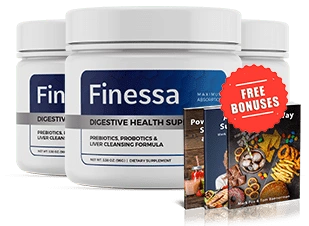
Key Ingredients in Finessa Supporting Digestive Harmony
Finessa is expertly formulated with a blend of natural ingredients, each carefully selected for its scientifically-backed role in supporting digestive health, promoting regularity, and alleviating occasional constipation. These ingredients work synergistically to complement your body's natural processes.

Psyllium Husk
Role: A bulk-forming fiber that absorbs water in the gut, swelling to create a soft, bulky stool that is easier to pass. It promotes regularity and helps prevent constipation.
500mg - 1000mg
Aloe Vera Extract
Role: Known for its soothing properties, aloe vera helps calm the digestive tract. It can also support gut motility and provide a gentle laxative effect, aiding in waste elimination.
100mg - 200mg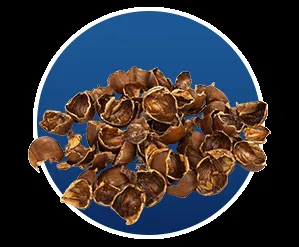
Magnesium Citrate
Role: An osmotic laxative that draws water into the intestines, softening stool and stimulating bowel movements. It's crucial for muscle and nerve function, including those in the gut.
200mg - 400mg
Ginger Root
Role: Traditionally used to soothe digestive upset, ginger helps stimulate gastric emptying and intestinal contractions, which can improve gut motility and relieve bloating and gas.
50mg - 150mg
Probiotic Blend
Role: A diverse blend of beneficial bacteria that helps restore and maintain a healthy gut microbiome. A balanced microbiome is essential for optimal digestion and immune function.
5 Billion CFU
Digestive Enzyme Complex
Role: Contains a spectrum of enzymes (e.g., amylase, protease, lipase) that help break down carbohydrates, proteins, and fats, improving nutrient absorption and reducing digestive discomfort.
100mg - 250mg
Peppermint Leaf
Role: Contains menthol, which can relax the muscles of the digestive tract, easing spasms and reducing symptoms like bloating, gas, and abdominal discomfort.
50mg - 100mg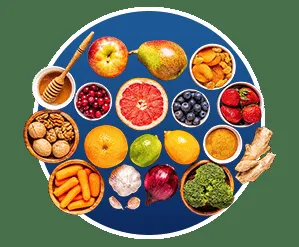
Fructooligosaccharides (FOS)
Role: A prebiotic fiber that selectively feeds beneficial gut bacteria, promoting their growth and activity. This supports a healthy microbiome and overall gut environment.
100mg - 200mg
Support Your Digestive Health Naturally with Finessa
Finessa is expertly formulated with natural ingredients to promote healthy digestion, relieve occasional constipation, and support overall gut wellness. Combine it with optimal hydration for the best results!
- ✓ Supports Regular Bowel Movements
- ✓ Alleviates Bloating & Discomfort
- ✓ Promotes a Healthy Gut Microbiome
- ✓ Made with 100% Natural Ingredients
- ✓ Backed by a 60-Day Money-Back Guarantee




Real People, Real Results: Finessa Customer Experiences
"I've struggled with constipation for years, and even drinking tons of water didn't always help. Finessa, combined with my increased hydration, has been a game-changer. I feel so much lighter and more regular. Truly amazing!"
"Before Finessa, bloating was a daily battle. I try to drink enough water, but it wasn't enough. Now, with Finessa, my digestion feels so much smoother, and the discomfort is almost gone. My gut finally feels happy!"
"I was skeptical, but Finessa actually works! I've noticed a significant improvement in my regularity and overall digestive comfort. It's gentle, effective, and a great addition to my daily wellness routine. Highly recommend for anyone struggling with sluggish digestion."
Frequently Asked Questions
How much water should I drink daily for optimal digestive health?
+While the traditional '8 glasses a day' is a good starting point, individual needs vary significantly. General guidelines suggest about 3.7 liters (15.5 cups) of fluids for men and 2.7 liters (11.5 cups) for women daily, which includes water from foods. Factors like activity level, climate, diet, and health conditions can increase these requirements. Listen to your body and aim for light yellow urine as a good indicator of adequate hydration.
Can dehydration directly cause constipation?
+Yes, dehydration is a common and direct cause of constipation. When your body lacks sufficient fluids, it compensates by drawing water from the colon, leading to harder, drier stools that are difficult to pass. Adequate hydration helps keep stool soft and promotes smooth bowel movements, preventing digestive irregularity.
How does Finessa support digestive health alongside hydration?
+Finessa is designed to complement healthy hydration habits by providing a blend of natural ingredients that support various aspects of digestive function. Its formulation includes components that can aid in maintaining gut motility, promoting a balanced microbiome, and assisting in the natural elimination process, working synergistically with water to enhance regularity and comfort.
Are there specific types of water that are better for digestion?
+While plain filtered water is excellent, some people find benefits from mineral water, which contains electrolytes that can aid hydration. Warm water can also sometimes stimulate digestive processes. However, the most important factor is consistent intake of clean, safe drinking water, regardless of its specific type, as part of a balanced diet.
What are the signs that I might not be drinking enough water for my gut?
+Beyond obvious thirst, signs of insufficient hydration for gut health can include infrequent or difficult bowel movements, hard or lumpy stools, bloating, abdominal discomfort, and persistent fatigue. Dark yellow urine is another clear indicator that your body needs more fluids to function optimally, especially for digestion.
Is it possible to drink too much water, and how does that affect digestion?
+While rare, it is possible to drink too much water, a condition known as hyponatremia, where sodium levels in the blood become dangerously low. This typically occurs with extreme overconsumption or underlying medical conditions. In terms of digestion, excessive water intake usually doesn't have a direct negative impact, but it can dilute digestive enzymes if consumed in very large quantities right before or during meals, potentially hindering efficient digestion.
Further Insights into Your Digestive Wellness Journey