Struggling with digestive discomfort and searching for genuine gut health remedies that work?
If you're one of the millions experiencing the daily challenges of an unhappy gut, you understand the profound impact it has on your quality of life. From bloating and gas to irregular bowel movements and the pervasive discomfort of conditions like Irritable Bowel Syndrome (IBS), finding effective solutions can feel like a daunting journey.
Many conventional approaches often provide temporary fixes, leaving the root causes unaddressed. But what if there were natural, science-backed strategies that could truly transform your digestive health? This article delves into the most effective gut health remedies that work, offering practical, holistic approaches to help you reclaim comfort and vitality.
The Foundation of Well-being: Why Gut Health Matters So Much
Your gut is more than just a digestive system; it's a complex ecosystem influencing everything from your immune system and mood to energy levels and skin health. Understanding this intricate connection is the first step toward finding gut health remedies that work.
At the heart of your gut health lies the gut microbiome – a vast community of trillions of microorganisms, including bacteria, fungi, and viruses. When this community is balanced and diverse, it supports optimal digestion, nutrient absorption, and even plays a critical role in producing neurotransmitters that affect your brain. Conversely, an imbalance, known as dysbiosis, can lead to a cascade of health issues, both within and beyond the digestive tract.
The gut-brain axis is a bidirectional communication system linking your central nervous system with your enteric nervous system (the "second brain" in your gut). This means that stress and emotional states can directly impact your gut, and conversely, the state of your gut can influence your mood and cognitive function. This connection is particularly relevant for conditions like Irritable Bowel Syndrome (IBS), where psychological factors often exacerbate physical symptoms. A healthy gut microbiome contributes to a strong intestinal barrier, preventing harmful substances from entering the bloodstream and triggering systemic inflammation. This barrier, often referred to as "gut integrity," is crucial for overall health and preventing issues like leaky gut syndrome. When the gut lining is compromised, it can lead to increased sensitivity and reactivity, which are hallmarks of many digestive disorders. Thus, supporting this barrier is one of the most fundamental gut health remedies that work.
Many people overlook the profound influence of their gut until discomfort becomes a daily struggle. Chronic issues like bloating, gas, constipation, diarrhea, and abdominal pain are clear signals that your digestive system needs attention. But even subtle symptoms, such as fatigue, skin problems, or frequent colds, can be rooted in an unhealthy gut. Recognizing these signs early allows for proactive intervention, helping to prevent more severe conditions from developing. Embracing a holistic approach to gut health means considering all factors that influence this vital system, from what you eat to how you manage stress, ensuring you're implementing truly effective gut health remedies that work for your unique needs.
💡 Key Takeaway
Your gut microbiome is central to overall health, impacting digestion, immunity, and mood. An imbalanced gut (dysbiosis) can cause widespread issues, making holistic gut health remedies essential.
Decoding IBS: Symptoms, Triggers, and the Search for Relief
Irritable Bowel Syndrome (IBS) is a common, chronic functional gastrointestinal disorder affecting a significant portion of the global population. It's characterized by a group of symptoms that occur together, rather than a single distinct issue, making it a challenging condition to manage.
IBS is primarily defined by recurrent abdominal pain, typically associated with changes in bowel habits. These changes can manifest as diarrhea (IBS-D), constipation (IBS-C), or a mixed pattern of both (IBS-M). Other common symptoms include persistent bloating, excessive gas, abdominal distension, and a feeling of incomplete evacuation after bowel movements. The severity and combination of these symptoms vary greatly among individuals, and they can significantly impact daily life, often leading to anxiety, depression, and reduced quality of life. Unlike inflammatory bowel diseases (IBD) such as Crohn's disease or ulcerative colitis, IBS does not cause inflammation or permanent damage to the intestines. This distinction is crucial, as IBS is considered a "functional" disorder, meaning there's a problem with how the gut works, rather than a structural issue. However, this doesn't diminish the very real and often debilitating pain and discomfort experienced by those with IBS.
The exact cause of IBS is not fully understood, but it is believed to involve a combination of factors, including abnormal gut motility, visceral hypersensitivity (increased pain perception from the gut), gut dysbiosis, gut-brain axis dysfunction, and genetic predisposition. Triggers for IBS symptoms are highly individual but often include specific foods, stress, hormonal changes, and certain medications. Identifying and managing these triggers is a cornerstone of any effective treatment plan. For instance, many individuals find relief by following a low-FODMAP diet, which restricts certain fermentable carbohydrates that can exacerbate symptoms. However, this diet requires careful planning and is best undertaken with professional guidance to ensure nutritional adequacy.
The search for effective IBS remedies often involves a multi-faceted approach, combining dietary modifications, stress management techniques, and sometimes pharmacological interventions. Many individuals also turn to natural gut health remedies that work to support overall digestive function and alleviate symptoms. These can range from herbal supplements known for their soothing properties to probiotics that help rebalance the gut microbiome. The challenge lies in finding the right combination that addresses an individual's specific symptoms and underlying contributing factors. It's a journey of discovery, often requiring patience and collaboration with healthcare professionals to tailor a personalized strategy. The goal is not just symptom suppression, but a holistic improvement in gut function and overall well-being.
💡 Key Takeaway
IBS is a chronic functional gut disorder marked by abdominal pain and altered bowel habits. It's triggered by various factors, including diet and stress, and requires a personalized, multi-faceted approach to management.
Essential Pillars for Restoring and Maintaining Gut Harmony
Achieving lasting gut health and finding gut health remedies that work is not about a single magic bullet, but rather a holistic approach addressing several key areas of your health and lifestyle. By focusing on these pillars, you can create an environment where your gut can thrive.
Dietary Adjustments for a Balanced Microbiome
What you eat directly impacts your gut microbiome. Prioritizing whole, unprocessed foods, ample fiber from fruits, vegetables, and whole grains, and incorporating fermented foods like yogurt or kimchi can nourish beneficial bacteria. Identifying and eliminating trigger foods, especially those high in FODMAPs for IBS sufferers, is also crucial for symptom relief and long-term gut health.
Stress Management and the Gut-Brain Connection
The profound link between your gut and brain means stress can severely disrupt digestive function. Implementing stress-reducing practices such as meditation, yoga, deep breathing exercises, or spending time in nature can significantly alleviate gut symptoms. Managing stress effectively is one of the most potent, yet often overlooked, gut health remedies that work for conditions like IBS.
Strategic Probiotic & Prebiotic Support
Probiotics introduce beneficial bacteria to your gut, while prebiotics are non-digestible fibers that feed these good bacteria. Together, they help to restore balance to the microbiome, improve digestion, and strengthen the gut barrier. Choosing the right strains and types of prebiotics can be a powerful tool in your gut health arsenal, offering targeted support when dietary intake alone isn't sufficient.
Adequate Hydration and Fiber Intake
Water is essential for healthy digestion, helping to move food through the digestive tract and preventing constipation. Coupled with sufficient fiber – both soluble and insoluble – it promotes regular bowel movements and acts as a natural cleanser for the gut. Ensure you're drinking plenty of water throughout the day and gradually increasing fiber intake to allow your system to adjust.
Prioritizing Sleep and Regular Exercise
Quality sleep is vital for repairing and maintaining gut health, as disruptions can negatively impact the microbiome. Similarly, regular physical activity can improve gut motility, reduce stress, and foster a more diverse gut flora. Incorporating consistent sleep patterns and moderate exercise into your routine are fundamental gut health remedies that work synergistically with diet and supplementation.
Targeted Supplementation for Specific Needs
While diet and lifestyle are foundational, targeted supplements can provide extra support. These might include digestive enzymes, specific herbs, or comprehensive formulas designed to address issues like inflammation, gut barrier integrity, or dysbiosis. Supplements, when chosen carefully and used appropriately, can accelerate healing and provide relief where other methods fall short.
Food as Medicine: Dietary Remedies for Digestive Wellness
What you eat plays the most crucial role in shaping your gut microbiome and alleviating symptoms like those associated with IBS. Adopting a mindful approach to your diet is one of the most powerful gut health remedies that work to restore balance and comfort.
A cornerstone of gut-friendly eating is a diet rich in fiber. Fiber, found abundantly in fruits, vegetables, legumes, and whole grains, acts as a prebiotic, feeding the beneficial bacteria in your gut. There are two main types: soluble fiber, which dissolves in water and helps regulate blood sugar and cholesterol, and insoluble fiber, which adds bulk to stool and aids in regular bowel movements. Gradually increasing your fiber intake is key to avoid discomfort, ensuring your digestive system has time to adjust. For individuals with IBS, finding the right balance of fiber can be tricky, as some high-fiber foods can exacerbate symptoms. This often leads to exploring more specific dietary strategies.
Fermented foods are another potent ally for gut health. Foods like yogurt, kefir, sauerkraut, kimchi, and kombucha naturally contain beneficial probiotics that can help replenish and diversify your gut microbiome. Regular consumption of these foods can improve digestion, enhance nutrient absorption, and bolster your immune system. However, it's important to choose varieties that are unsweetened and contain live, active cultures to maximize their benefits. These foods are a natural way to introduce more good bacteria, acting as potent gut health remedies that work to create a more resilient digestive system.
For those struggling with IBS, specific dietary approaches like the low-FODMAP diet have shown significant promise. FODMAPs (Fermentable Oligosaccharides, Disaccharides, Monosaccharides, and Polyols) are types of carbohydrates that are poorly absorbed in the small intestine and can ferment in the colon, leading to gas, bloating, and pain in sensitive individuals. An elimination diet, followed by a reintroduction phase, can help identify specific triggers. However, this diet is restrictive and should ideally be undertaken under the guidance of a registered dietitian to ensure nutritional adequacy and to learn how to sustainably manage dietary triggers long-term. Beyond FODMAPs, many find relief by identifying and eliminating common trigger foods such as gluten, dairy, artificial sweeteners, and excessive caffeine or alcohol. Maintaining a food diary can be an invaluable tool in pinpointing personal triggers and understanding how different foods impact your digestion. For more insights into natural approaches, consider reading our article on natural gut health relief remedies.
Ultimately, the goal is to create a personalized eating plan that supports a diverse and healthy gut microbiome while minimizing symptoms. This often involves a process of trial and error, paying close attention to your body's signals, and making sustainable changes that you can adhere to in the long run. Embracing food as medicine means nourishing your body with intention, understanding that every meal is an opportunity to support your digestive wellness and overall health. By making informed dietary choices, you're investing in powerful gut health remedies that work from the inside out.
Incorporating Gut-Healing Foods into Your Daily Diet
Fermented Foods
Introduce probiotic-rich foods like plain yogurt, kefir, sauerkraut, kimchi, and kombucha. These provide beneficial bacteria that help balance your gut microbiome and improve digestion. Start with small portions and gradually increase as tolerated.
Fiber-Rich Fruits & Vegetables
Load up on a variety of colorful fruits and vegetables. Berries, leafy greens, broccoli, carrots, and apples (with skin) are excellent sources of both soluble and insoluble fiber, crucial for regularity and feeding good gut bacteria.
Prebiotic Foods
Include foods that act as prebiotics, nourishing your existing beneficial gut bacteria. Garlic, onions, asparagus, bananas, and oats are great examples. These help foster a thriving environment for your microbiome.
Healthy Fats & Lean Proteins
Incorporate healthy fats from avocados, olive oil, and fatty fish (like salmon), which reduce inflammation. Pair them with lean proteins such as chicken, turkey, and plant-based options like lentils, essential for gut lining repair and overall health.
Beyond the Plate: Lifestyle & Mind-Body Approaches to Gut Health
Your gut and brain are intimately connected, making stress management and lifestyle choices vital components of any effective gut health strategy. Addressing these often-overlooked areas can significantly enhance the efficacy of other gut health remedies that work.
One of the most powerful yet underestimated gut health remedies that work is effective stress management. The gut-brain axis ensures that stress, anxiety, and other emotional states directly impact digestive function. Chronic stress can alter gut motility, increase visceral hypersensitivity, and even change the composition of your gut microbiome, exacerbating conditions like IBS. Practices such as mindfulness meditation, deep breathing exercises, yoga, tai chi, and spending time in nature can help calm the nervous system, thereby reducing the negative impact of stress on your gut. Even simple daily rituals, like a few minutes of quiet contemplation or listening to calming music, can make a significant difference. Learning to cope with stress effectively is not just about mental well-being; it's a direct investment in your digestive health.
Adequate sleep is another non-negotiable aspect of gut health. During sleep, your body undergoes repair and regeneration processes, which are crucial for maintaining a healthy gut lining and balanced microbiome. Chronic sleep deprivation can disrupt the gut microbiome, increase inflammation, and negatively impact gut barrier function. Aim for 7-9 hours of quality sleep per night, establishing a consistent sleep schedule, and creating a calming bedtime routine. Avoiding screens before bed, limiting caffeine and alcohol, and ensuring your sleep environment is dark and cool can all contribute to better sleep and, consequently, a healthier gut.
Finally, regular physical activity plays a vital role in promoting digestive wellness. Exercise can improve gut motility, helping food move more efficiently through your digestive tract and reducing issues like constipation. It also contributes to a more diverse and balanced gut microbiome and can reduce inflammation throughout the body. Furthermore, physical activity is an excellent stress reliever, indirectly benefiting gut health through the gut-brain axis. You don't need to engage in strenuous workouts; even moderate activities like brisk walking, cycling, swimming, or dancing for 30 minutes most days of the week can yield significant digestive benefits. Integrating these lifestyle and mind-body approaches alongside dietary changes creates a truly holistic framework for finding gut health remedies that work effectively and sustainably.
💡 Key Takeaway
Stress management, adequate sleep, and regular exercise are crucial, often overlooked, gut health remedies. They directly influence the gut-brain axis, microbiome balance, and overall digestive function, complementing dietary changes for holistic wellness.
Boosting Your Microbiome: Probiotics, Prebiotics, and Advanced Support
While diet and lifestyle form the foundation, specific supplements can provide targeted support to rebalance your gut flora and address specific digestive issues. These advanced gut health remedies that work can accelerate your journey to digestive comfort.
Probiotics are live microorganisms, typically bacteria, that provide health benefits when consumed in adequate amounts. They work by introducing beneficial strains of bacteria to your gut, helping to restore balance to the microbiome, especially after disturbances caused by antibiotics, stress, or poor diet. Different probiotic strains offer different benefits, ranging from improving digestion and reducing bloating to enhancing immune function and supporting mood. Common strains include Lactobacillus and Bifidobacterium. When choosing a probiotic, look for products with multiple strains and a high CFU count (Colony Forming Units) that are also tested for viability. However, it's important to remember that probiotics are not a one-size-fits-all solution, and what works for one person might not work for another. Consistent use over several weeks is often necessary to observe significant benefits.
Prebiotics are non-digestible food ingredients that selectively stimulate the growth and activity of beneficial bacteria in the colon. Think of them as food for your probiotics. Common prebiotic fibers include inulin, fructooligosaccharides (FOS), and galactooligosaccharides (GOS), found naturally in foods like garlic, onions, asparagus, bananas, and chicory root. By nourishing the good bacteria, prebiotics help to create a more robust and diverse gut microbiome, which is crucial for long-term digestive health. Combining prebiotics and probiotics (often referred to as synbiotics) can be a powerful strategy, as the prebiotics help the probiotics thrive, making them even more effective as gut health remedies that work synergistically. For a deeper dive into targeted formulas, consider exploring our digestive wellness formula review.
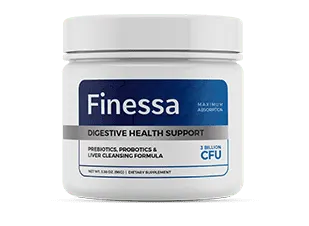
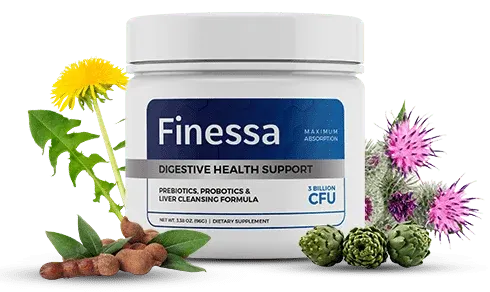
Beyond general probiotics and prebiotics, certain targeted supplements offer advanced support for specific gut health concerns. These can include digestive enzymes, which help break down food and improve nutrient absorption; L-Glutamine, an amino acid vital for repairing the gut lining; and various herbal extracts known for their anti-inflammatory or soothing properties, such as peppermint oil or ginger. The key is to identify the specific needs of your gut and choose supplements that address those issues. This is where a thoughtfully formulated supplement like Finessa can come into play. Finessa is designed to offer comprehensive support, combining a range of natural ingredients that work together to rebalance the microbiome, soothe irritation, and promote overall digestive wellness. It’s important to view supplements as complementary tools to a healthy diet and lifestyle, not replacements. Always consult with a healthcare professional before adding new supplements to your regimen, especially if you have underlying health conditions or are taking medications, to ensure they are appropriate for your individual needs. By integrating these advanced supports, you can empower your gut to function optimally and experience profound relief.
Finessa: A Synergistic Blend of Nature's Best for Gut Health
Finessa is meticulously formulated with a blend of potent natural ingredients, each selected for its scientifically recognized ability to support digestive balance, soothe irritation, and promote a thriving gut microbiome. Here's a look at the key components that make Finessa one of the gut health remedies that work effectively.

Psyllium Husk
Role: A natural, soluble fiber known for its bulk-forming properties. It helps regulate bowel movements, alleviating both constipation and diarrhea by absorbing water and adding bulk to stool. It also acts as a prebiotic, feeding beneficial gut bacteria.
Typical Dose: 500-1000mg
Bentonite Clay
Role: A natural clay with a unique ability to absorb toxins, heavy metals, and impurities from the digestive tract. It helps cleanse the colon and supports detoxification processes, contributing to a cleaner, healthier gut environment.
Typical Dose: 200-500mg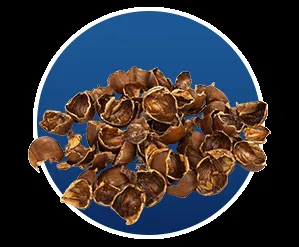
Black Walnut Hull
Role: Traditionally used for its natural anti-parasitic and anti-fungal properties. It helps maintain a healthy balance of gut flora by discouraging the overgrowth of harmful organisms, supporting the microbiome's integrity.
Typical Dose: 100-250mg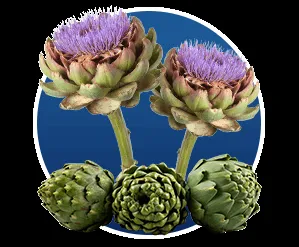
Flaxseed Powder
Role: A rich source of soluble and insoluble fiber, as well as Omega-3 fatty acids. It aids in promoting regularity, soothing the digestive lining, and reducing inflammation, making it excellent for overall gut comfort.
Typical Dose: 100-200mg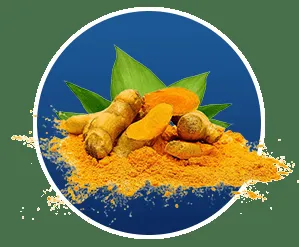
Aloe Vera Gel
Role: Renowned for its soothing and anti-inflammatory properties. It helps calm irritation in the digestive tract, supports the healing of the gut lining, and can aid in gentle bowel regularity, providing relief from discomfort.
Typical Dose: 50-100mg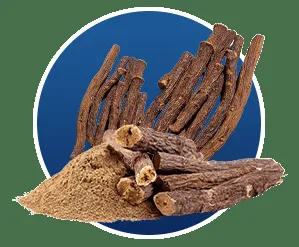
Lactobacillus Acidophilus
Role: A prominent probiotic strain that plays a crucial role in maintaining a healthy gut microbiome. It supports digestion, enhances nutrient absorption, and helps inhibit the growth of harmful bacteria, contributing to overall gut balance.
Typical Dose: 1-5 Billion CFUs
Rhubarb Root
Role: Traditionally used as a gentle laxative and digestive aid. It helps stimulate bowel movements and can assist in relieving occasional constipation, promoting regularity without harsh effects when used in appropriate doses.
Typical Dose: 50-100mg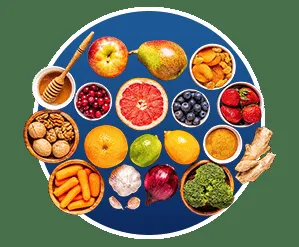
Apple Pectin
Role: A soluble fiber found in apples, acting as an excellent prebiotic. It nourishes beneficial gut bacteria, helping to regulate digestion and support a healthy intestinal lining, which is vital for gut integrity and overall function.
Typical Dose: 50-150mg
Reclaim Your Digestive Comfort with Finessa
Don't let digestive discomfort dictate your life any longer. Finessa offers a comprehensive, natural solution designed to support a balanced gut microbiome, ease common IBS symptoms, and enhance overall digestive wellness. Experience the difference a truly holistic formula can make when searching for gut health remedies that work.
- Supports a healthy gut microbiome and beneficial bacteria
- Helps alleviate bloating, gas, and abdominal discomfort
- Promotes regular, healthy bowel movements
- Made with 100% natural, potent, and scientifically selected ingredients
- Backed by a risk-free 60-day money-back guarantee




Real People, Real Results: Hear From Our Happy Customers
"For years, I struggled with unpredictable IBS flare-ups. Finessa has been a game-changer. My bloating is practically gone, and I feel so much more regular. It's truly one of the gut health remedies that work for me!"
"I was skeptical at first, but Finessa actually delivered. My digestion feels smoother, and I have more energy throughout the day. It's a fantastic natural solution that truly supports my gut. Highly recommend!"
"After trying countless products for my sensitive stomach, Finessa is the only one that has provided consistent relief. No more constant discomfort or worrying about what I eat. My gut finally feels happy. You can read more about real experiences in our Finessa reviews."
Frequently Asked Questions
What makes Finessa different from other gut health supplements?
+Finessa stands out due to its comprehensive blend of natural ingredients, carefully selected for their synergistic effects on gut health. Unlike many supplements that focus on just probiotics or fiber, Finessa combines prebiotics, probiotics, soothing botanicals, and detoxifying agents to address multiple facets of digestive wellness, offering a holistic approach to symptom relief and microbiome balance.
How long does it take to see results with Finessa?
+Individual results may vary, but many users report noticeable improvements in digestive comfort, regularity, and reduced bloating within the first few weeks of consistent use. For optimal and long-lasting benefits, we recommend taking Finessa for at least 60 days as part of a healthy lifestyle.
Is Finessa safe for long-term use?
+Finessa is formulated with natural ingredients generally recognized as safe. However, as with any supplement, it's always best to consult with your healthcare provider before starting any new regimen, especially if you have a pre-existing medical condition or are taking other medications.
Can Finessa help with Irritable Bowel Syndrome (IBS) symptoms?
+While Finessa is not a cure for IBS, its natural ingredients are specifically chosen to address common IBS symptoms such as bloating, gas, abdominal discomfort, and irregular bowel movements. Many users with IBS have reported significant relief and improved quality of life with consistent use. It aims to support overall gut function, which is often compromised in IBS.
Are there any side effects associated with Finessa?
+Finessa is made from natural ingredients and is generally well-tolerated. Some individuals, especially when first starting, might experience mild digestive adjustments as their body adapts. If you experience any severe or persistent discomfort, discontinue use and consult your physician.
What is the recommended dosage for Finessa?
+The recommended dosage for Finessa is typically two capsules daily, preferably with a meal and a glass of water. Please refer to the product label for specific instructions and do not exceed the recommended dose. Consistency is key for achieving the best results.
Related Articles