Feeling sluggish, bloated, or struggling with chronic constipation?
You're not alone. Millions of people experience digestive discomfort daily, often without realizing that the root cause might lie in an intricate, microscopic world within their own bodies: the gut microbiome.
This bustling community of trillions of microorganisms plays a far more significant role in your overall health than you might imagine, profoundly impacting everything from your digestion and immunity to your mood and energy levels. Understanding this "second brain" is the first step towards unlocking a healthier, more vibrant you.

What Exactly is the Gut Microbiome?
Imagine a bustling, microscopic city living inside you – that's your gut microbiome. It's a complex ecosystem of trillions of microorganisms, predominantly bacteria, but also including fungi, viruses, and archaea, residing mainly in your large intestine.
For centuries, these microbes were largely overlooked, considered mere passengers in our digestive tracts. However, modern science has unveiled their profound influence, revealing them as active participants in our biology. This diverse community, weighing as much as 2-6 pounds, is unique to each individual, shaped by genetics, environment, diet, and lifestyle from birth.
The term "microbiome" refers to the collective genomes of all the microorganisms, while "microbiota" refers to the microorganisms themselves. These terms are often used interchangeably, but it's important to understand that this isn't just a random collection of cells. It's a dynamic, interconnected network performing vital functions that are indispensable for human health. A balanced microbiome, rich in beneficial species, is often referred to as a state of eubiosis, while an imbalance, where harmful microbes outnumber beneficial ones, is known as dysbiosis. Understanding this distinction is key to comprehending its impact on conditions like constipation and digestive irregularity.
Beyond Digestion: The Multifaceted Roles of Your Gut Microbes
The gut microbiome does far more than just help break down food. Its influence extends throughout the body, acting as a command center for numerous physiological processes.
Digestive Powerhouse
Your gut microbes are master chemists. They ferment indigestible fibers, producing beneficial short-chain fatty acids (SCFAs) like butyrate, acetate, and propionate. These SCFAs nourish the cells lining your colon, strengthen the gut barrier, and play a crucial role in regulating gut motility, which is vital for preventing constipation. Without these tiny helpers, many nutrients from your diet would pass through unabsorbed.
Immune System Guardian
A staggering 70-80% of your immune system resides in your gut. The microbiome trains immune cells, helps distinguish between harmful pathogens and harmless substances, and regulates inflammatory responses. A healthy gut barrier, maintained by a balanced microbiome, prevents toxins and undigested food particles from entering the bloodstream, thus reducing systemic inflammation and bolstering your body's defenses against illness.
Nutrient Synthesis & Absorption
Certain gut bacteria are capable of synthesizing essential vitamins, including B vitamins (like B12, folate, biotin) and Vitamin K. They also enhance the absorption of minerals such as iron, magnesium, and calcium. This means that even if you're eating a nutrient-rich diet, an imbalanced microbiome could hinder your body's ability to utilize these vital compounds effectively.
The Gut-Brain Axis
The connection between your gut and brain is so profound it's often called the "gut-brain axis." Microbes produce neurotransmitters like serotonin (around 95% of which is made in the gut), dopamine, and GABA, which influence mood, stress response, and cognitive function. An unhealthy gut can contribute to anxiety, depression, and even neurological conditions, highlighting the importance of gut health for mental well-being.
Dysbiosis: When the Gut Goes Awry
The delicate balance of your gut microbiome can be easily disrupted, leading to a state known as dysbiosis. This imbalance, characterized by a reduction in beneficial microbes and an overgrowth of harmful ones, is a common underlying factor in many health issues, particularly digestive complaints like constipation.
When dysbiosis occurs, the gut's ability to perform its crucial functions is compromised. The production of SCFAs may decrease, weakening the gut barrier and impairing gut motility. This can lead to a cascade of problems:
- Reduced Gut Motility: Beneficial bacteria contribute to the rhythmic contractions of the gut muscles (peristalsis) that move food along. When these bacteria are diminished, transit time slows down, leading to stool stagnation and harder, drier stools – the hallmarks of constipation.
- Increased Inflammation: Harmful bacteria can produce toxins and inflammatory compounds that irritate the gut lining, leading to chronic low-grade inflammation. This can further exacerbate digestive issues and contribute to conditions like Irritable Bowel Syndrome (IBS).
- Impaired Nutrient Absorption: Dysbiosis can hinder the breakdown and absorption of essential nutrients, potentially leading to deficiencies even with a healthy diet.
- Leaky Gut: An inflamed or damaged gut barrier can become more permeable, allowing undigested food particles, toxins, and pathogens to "leak" into the bloodstream. This triggers a systemic immune response, contributing to allergies, autoimmune conditions, and widespread inflammation.
- Mood and Energy Fluctuations: Given the gut-brain axis, dysbiosis can impact neurotransmitter production, potentially contributing to fatigue, brain fog, anxiety, and depression.
Recognizing the signs of dysbiosis is the first step toward restoring balance and improving overall health. Chronic digestive issues, especially constipation and digestive irregularity, are strong indicators that your gut microbiome might need some attention. For more insights into maintaining a healthy digestive system, consider reading our article on how to choose a regularity and digestion supplement.
💡 Key Takeaway
The gut microbiome is a complex ecosystem vital for digestion, immunity, and mental health. An imbalance (dysbiosis) can directly cause or worsen chronic constipation and digestive irregularity, impacting overall well-being. Restoring this balance is crucial for alleviating symptoms and improving health.
Factors That Influence Your Gut Microbiome
Your gut microbiome is constantly interacting with your environment and lifestyle. Many factors can either nourish or disrupt this delicate ecosystem. Understanding these influences empowers you to make informed choices for better gut health.
Dietary Choices
What you eat is the primary determinant of your gut's microbial composition. A diet rich in diverse plant fibers (prebiotics) feeds beneficial bacteria, while a diet high in processed foods, refined sugars, and unhealthy fats can promote the growth of harmful microbes and reduce diversity. Lack of fiber is a major contributor to constipation, as it provides bulk and helps stool move through the colon.
Medications, Especially Antibiotics
Antibiotics, while life-saving, are indiscriminate in their action, killing off beneficial bacteria along with the harmful ones. This can severely disrupt the microbiome, leading to dysbiosis that can persist for months or even years. Other medications, like NSAIDs, antacids, and even some antidepressants, can also impact gut health by altering the gut environment or increasing gut permeability.
Stress Levels
The gut-brain axis means that chronic stress can profoundly impact your gut. Stress hormones can alter gut motility, increase gut permeability, and change the composition of your microbiome, making it more hospitable to harmful bacteria. This connection often explains why stress can trigger or worsen digestive issues like constipation or diarrhea.
Sleep Quality
Disrupted sleep patterns, particularly chronic sleep deprivation, have been shown to negatively impact gut microbial diversity and composition. This can lead to a vicious cycle, as an unhealthy gut can also interfere with sleep quality, further exacerbating digestive and overall health issues.
Physical Activity
Regular exercise has been linked to a more diverse and healthy gut microbiome. Physical activity can enhance gut motility, reduce inflammation, and even influence the types of bacteria that thrive in your gut. Conversely, a sedentary lifestyle can contribute to sluggish digestion and dysbiosis.
Environmental Toxins
Exposure to environmental toxins, pesticides, and pollutants can also negatively impact your gut microbiome. These substances can alter the gut lining, promote inflammation, and selectively inhibit the growth of beneficial bacteria, contributing to dysbiosis and its associated health problems.
Nurturing Your Microbiome: Steps Towards Better Health
The good news is that your gut microbiome is remarkably resilient and can be positively influenced by intentional lifestyle and dietary changes. Here's how you can start nurturing your inner ecosystem for improved digestion, regularity, and overall well-being.
1. Embrace a Diverse, Whole-Food Diet: This is arguably the most impactful step. Focus on consuming a wide variety of plant-based foods, including fruits, vegetables, whole grains, legumes, nuts, and seeds. Each plant food contains unique fibers and polyphenols that feed different strains of beneficial bacteria, increasing microbial diversity. Aim for at least 30 different plant foods per week. For more information on different types of fiber, see our article on fiber for gut health.
2. Incorporate Fermented Foods: Foods like yogurt, kefir, sauerkraut, kimchi, kombucha, and tempeh are natural sources of probiotics – live beneficial bacteria that can replenish and diversify your gut microbiome. Introduce them gradually to allow your gut to adjust.
3. Prioritize Prebiotic-Rich Foods: Prebiotics are specific types of fiber that act as food for your beneficial gut bacteria. Excellent sources include garlic, onions, leeks, asparagus, bananas, oats, and apples. Feeding your good bacteria helps them thrive and outcompete harmful microbes.
4. Stay Hydrated: Water is crucial for digestive health. It helps to soften stool, making it easier to pass, and aids in the smooth functioning of the entire digestive system. Aim for at least 8 glasses of water daily.
5. Manage Stress: Chronic stress can wreak havoc on your gut. Incorporate stress-reduction techniques into your daily routine, such as meditation, yoga, deep breathing exercises, spending time in nature, or engaging in hobbies you enjoy. A calm mind often leads to a calm gut.
6. Get Enough Sleep: Aim for 7-9 hours of quality sleep per night. Sleep deprivation can negatively impact gut health and contribute to inflammatory responses. Establish a consistent sleep schedule and create a relaxing bedtime routine.
7. Engage in Regular Physical Activity: Exercise not only helps with weight management and cardiovascular health but also promotes a diverse and healthy gut microbiome. Even moderate activity, like a daily walk, can make a difference in gut motility and overall digestive regularity.
8. Consider Targeted Supplementation: While diet and lifestyle are foundational, certain supplements can provide additional support, especially when dealing with persistent issues like constipation and digestive irregularity. Probiotic supplements can introduce specific strains of beneficial bacteria, while prebiotic supplements can ensure your existing good bacteria have ample food. Digestive enzymes can also aid in breaking down food more effectively, reducing the burden on your gut. For a comprehensive guide on natural ways to support your digestive system, explore our article on how to improve gut health naturally.
Supporting Your Gut: A Closer Look at Key Ingredients
When seeking to support your gut microbiome and alleviate digestive irregularities, understanding the role of specific ingredients can be incredibly helpful. Many natural supplements combine science-backed compounds to foster a thriving gut environment. Here are some examples of ingredients commonly found in such formulations, designed to promote balance and regularity.

Lactobacillus Acidophilus
Role: A well-known probiotic strain that helps balance gut flora, aids in lactose digestion, and supports a healthy immune response. It can help prevent the overgrowth of harmful bacteria and contribute to regular bowel movements.
Typical Dose: 1-10 Billion CFU
Bifidobacterium Lactis
Role: Another powerful probiotic, B. lactis is highly effective at improving gut motility and reducing constipation. It also supports the immune system and helps maintain the integrity of the gut barrier, protecting against "leaky gut."
Typical Dose: 1-5 Billion CFU
Fructooligosaccharides (FOS)
Role: A natural prebiotic fiber found in many plants. FOS selectively feeds beneficial gut bacteria, particularly Bifidobacteria, helping them proliferate. This promotes a healthier gut environment, aids digestion, and can help soften stools for easier passage.
Typical Dose: 2-5 grams
Psyllium Husk
Role: A soluble fiber that absorbs water in the gut, forming a gel-like substance. This adds bulk to stool, making it softer and easier to pass, which is highly effective for relieving constipation and promoting regularity. It also has prebiotic benefits.
Typical Dose: 5-10 grams
Magnesium Citrate
Role: An osmotic laxative that draws water into the intestines, softening stool and stimulating bowel movements. It's a gentle yet effective mineral for promoting regularity and relieving occasional constipation without harsh stimulants.
Typical Dose: 200-400 mg
Ginger Root Extract
Role: Known for its digestive properties, ginger can help stimulate gastric emptying and promote gut motility. It also has anti-inflammatory effects and can soothe digestive discomfort, making it beneficial for overall gut comfort.
Typical Dose: 250-500 mg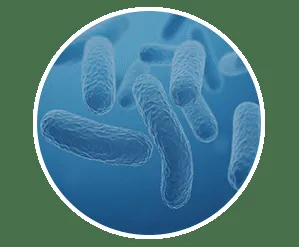
Aloe Vera Leaf
Role: Contains compounds that can soothe the digestive tract and promote healthy bowel function. It has mild laxative properties and can help reduce inflammation in the gut, supporting a comfortable and regular digestive process.
Typical Dose: 50-200 mg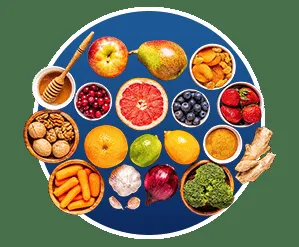
Digestive Enzyme Blend
Role: A combination of enzymes like amylase, protease, and lipase that assist in breaking down carbohydrates, proteins, and fats. This reduces the burden on your digestive system, minimizes bloating, and ensures better nutrient absorption, indirectly supporting gut health.
Typical Dose: Varies by activity units
Ready for a Healthier, More Regular You?
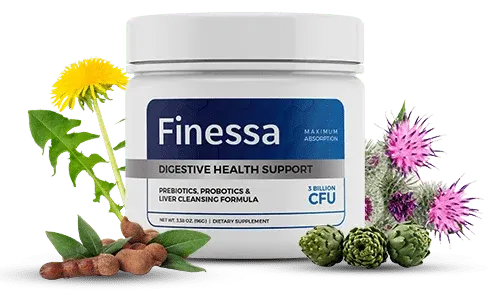
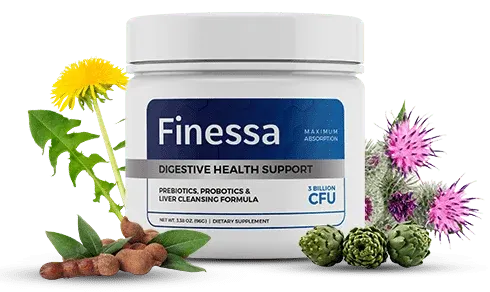
If you're tired of digestive discomfort, bloating, and chronic constipation, it's time to give your gut the support it deserves. Finessa offers a scientifically formulated blend of natural ingredients designed to gently restore balance to your gut microbiome and promote smooth, regular digestion.
- ✓ Supports a balanced gut microbiome
- ✓ Promotes regular and comfortable bowel movements
- ✓ Alleviates bloating and digestive discomfort
- ✓ Enhances nutrient absorption and overall vitality
- ✓ Made with natural, high-quality ingredients




Hear From Our Satisfied Customers
"I've struggled with chronic constipation for years, trying everything under the sun. Finessa has been a game-changer! I feel lighter, less bloated, and finally regular. It's truly transformed my digestion."
"My gut health was a mess after a course of antibiotics. I started taking Finessa, and within a few weeks, I noticed a huge difference. My energy is back, and my digestion is smoother than ever. Highly recommend!"
"Finessa has brought me so much relief. No more uncomfortable bloating or irregularity. It's a gentle yet effective way to keep my digestive system happy and healthy. I feel so much better overall!"
Frequently Asked Questions
What exactly is the gut microbiome?
+The gut microbiome refers to the trillions of microorganisms, including bacteria, fungi, viruses, and other microbes, that live primarily in your large intestine. These microbes form a complex ecosystem that plays a crucial role in various aspects of your health, from digestion and nutrient absorption to immune function and even mood regulation. Each person's microbiome is unique, influenced by diet, lifestyle, genetics, and environment.
How does the gut microbiome affect digestion and constipation?
+A healthy gut microbiome is essential for efficient digestion. Beneficial bacteria help break down complex carbohydrates that our bodies can't digest, producing short-chain fatty acids (SCFAs) that nourish gut cells and promote regularity. An imbalance (dysbiosis) can slow gut transit time, reduce water absorption, and lead to harder stools, directly contributing to constipation and overall digestive irregularity. Certain microbes also influence gut motility and sensitivity.
What are the signs of an unhealthy gut microbiome?
+Signs of an unhealthy gut microbiome, often called dysbiosis, can manifest in many ways. Common digestive symptoms include chronic constipation, diarrhea, bloating, gas, and abdominal pain. Beyond digestion, you might experience fatigue, skin issues, mood swings, difficulty concentrating (brain fog), frequent infections, unexplained weight changes, and food sensitivities. These symptoms indicate that the balance of beneficial and harmful microbes in your gut may be disrupted.
Can diet alone improve my gut health?
+Diet is a cornerstone of gut health, providing the necessary fuel and environment for beneficial microbes. A diet rich in diverse plant-based foods, fiber, and fermented foods can significantly improve your microbiome. However, for some, diet alone might not be enough, especially if dysbiosis is pronounced or other lifestyle factors like stress, lack of sleep, or certain medications are at play. Supplements like prebiotics and probiotics can offer additional support in these cases.
Are Finessa's ingredients natural and safe?
+Yes, Finessa is formulated with a blend of natural ingredients carefully selected for their digestive health benefits. These include prebiotics, probiotics, and herbal extracts known to support gut balance and regularity. Finessa is manufactured in an FDA-registered, GMP-certified facility in the USA, adhering to strict quality and safety standards. As with any supplement, if you have underlying health conditions or are taking medication, it's always best to consult your healthcare provider.
How long does it take to see results from improving gut health?
+The timeline for seeing improvements in gut health can vary greatly from person to person, depending on the initial state of their microbiome, consistency of their efforts, and the severity of their symptoms. While some individuals may notice subtle changes in digestion and regularity within a few weeks, significant and lasting improvements often take several months of consistent dietary changes, lifestyle adjustments, and potentially targeted supplementation. Patience and consistency are key.
Related Articles