Are you tired of the unpredictable discomfort of Irritable Bowel Syndrome (IBS)?
Living with IBS, particularly the constipation-dominant type (IBS-C) or mixed type (IBS-M) with significant irregularity, can be a daily challenge, impacting your quality of life, energy levels, and overall well-being. The constant worry about digestive symptoms, from abdominal pain and bloating to unpredictable bowel movements, can feel overwhelming.
While IBS is a complex condition with no single cure, there's good news: many individuals find significant relief and manage their symptoms effectively through a combination of natural, holistic strategies focusing on diet, lifestyle, and targeted supplementation. This article, reviewed by Dr. Edward Brown, M.D., Board-Certified Gastroenterologist, delves into evidence-based approaches to help you regain control over your digestive health.
Understanding Irritable Bowel Syndrome (IBS) and Its Impact
Irritable Bowel Syndrome (IBS) is a common functional gastrointestinal disorder characterized by chronic abdominal pain and altered bowel habits without any identifiable structural or biochemical abnormalities. It's a condition that affects millions worldwide, significantly impacting quality of life.
While the exact cause of IBS remains unknown, it's believed to involve a complex interplay of factors, including gut motility disturbances, visceral hypersensitivity (increased pain perception in the gut), altered gut microbiota, gut-brain axis dysfunction, and genetic predispositions. For many, IBS manifests primarily with constipation (IBS-C) or a mix of constipation and diarrhea (IBS-M), leading to symptoms like persistent abdominal pain, bloating, gas, and straining during bowel movements. The unpredictable nature of these symptoms can be incredibly disruptive, affecting work, social life, and emotional well-being.
The conventional medical approach often involves symptom management with medications, but a growing number of individuals are seeking natural and holistic strategies to address the root causes and achieve sustainable relief. This article will explore these natural avenues, empowering you with knowledge to manage your IBS effectively.
💡 Key Takeaway
IBS is a complex, chronic gut disorder often characterized by abdominal pain and altered bowel habits. While its exact cause is unknown, natural management strategies focusing on a holistic approach can significantly improve symptoms and quality of life, especially for those experiencing constipation and irregularity.
The Gut-Brain Axis: A Crucial Connection in IBS
One of the most fascinating and critical aspects of IBS is the profound connection between your gut and your brain, often referred to as the "gut-brain axis." This bidirectional communication system plays a pivotal role in digestive function and symptom manifestation.
Your gut has its own intricate nervous system, the enteric nervous system (ENS), sometimes called the "second brain." This ENS communicates directly with your central nervous system (CNS – brain and spinal cord) through various pathways, including the vagus nerve. This connection means that emotional states like stress, anxiety, and depression can directly influence gut function, leading to changes in motility, secretion, and sensitivity. Conversely, gut imbalances can send signals to the brain, affecting mood and cognitive function. For individuals with IBS, this communication can be overactive or dysregulated, making them more susceptible to digestive upset in response to stress or emotional triggers. Understanding and nurturing this connection is fundamental to effective IBS management, emphasizing the importance of a holistic approach that addresses both physical and mental well-being.
Dietary Strategies for IBS Relief: Eating Smart for Gut Health
Diet is often the first and most impactful area to address when managing IBS symptoms, particularly for constipation and digestive irregularity. What you eat can directly influence gut motility, gas production, and overall comfort.
The Low-FODMAP Diet
This evidence-based approach involves temporarily restricting fermentable oligo-, di-, mono-saccharides, and polyols (FODMAPs), which are types of carbohydrates that can be poorly absorbed and rapidly fermented by gut bacteria, causing gas, bloating, and pain. After an elimination phase, foods are reintroduced systematically to identify personal triggers. This diet has shown significant success in reducing IBS symptoms for many individuals, especially those with IBS-C and IBS-M.
Adequate Fiber Intake
Fiber is crucial for healthy bowel function, but the type and amount matter for IBS. Soluble fiber (found in oats, psyllium, flaxseed, and some fruits/vegetables) can help soften stool and promote regularity without excessive gas, making it beneficial for IBS-C. Insoluble fiber (found in whole grains, nuts, and seeds) can sometimes exacerbate symptoms for sensitive individuals, so a balanced approach is key. Gradually increasing soluble fiber can often lead to smoother bowel movements.
Hydration is Key
Water is essential for softening stool and facilitating its passage through the colon. Dehydration can worsen constipation. Aim for at least 8 glasses of water daily, and more if you are active or live in a warm climate. Herbal teas and clear broths can also contribute to your fluid intake, but sugary drinks and excessive caffeine should be limited as they can be irritants for some.
Mindful Eating Practices
Beyond what you eat, how you eat also matters. Eating slowly, chewing food thoroughly, and avoiding large meals can reduce the burden on your digestive system. Paying attention to hunger and fullness cues can prevent overeating, which often leads to discomfort. Establishing regular meal times can also help regulate your body's natural digestive rhythm.
💡 Key Takeaway
Dietary adjustments are foundational for IBS management. Exploring a low-FODMAP diet, optimizing soluble fiber intake, and staying well-hydrated are crucial steps to reduce symptoms like bloating and constipation.
Lifestyle Adjustments for Digestive Harmony and IBS Relief
Beyond diet, several lifestyle factors significantly influence IBS symptoms. Integrating these practices can create a more balanced environment for your digestive system and overall well-being.
The intricate connection of the gut-brain axis means that your daily habits, stress levels, and physical activity directly impact your gut health. Addressing these areas can provide substantial relief from IBS-related constipation and discomfort.
Stress Management Techniques
Given the strong link between stress and IBS, effective stress management is non-negotiable. Techniques such as mindfulness meditation, deep breathing exercises, yoga, and tai chi can help calm the nervous system, reducing gut sensitivity and improving motility. Even short, daily practices can make a significant difference. Consider incorporating these into your routine to foster a sense of calm and reduce gut reactivity.
Regular Physical Activity
Moderate exercise can be a powerful tool for IBS management. Physical activity helps stimulate normal bowel contractions, which is particularly beneficial for those with constipation. It also reduces stress and improves mood. Aim for at least 30 minutes of moderate-intensity exercise most days of the week. Activities like walking, swimming, cycling, or gentle jogging are excellent choices. Listen to your body and find what works best for you without overexerting yourself.
Prioritizing Sleep Quality
Sleep is a fundamental pillar of health, and its disruption can exacerbate IBS symptoms. Poor sleep can increase inflammation, alter gut microbiota, and heighten stress levels, all of which negatively impact digestive function. Aim for 7-9 hours of quality sleep per night. Establishing a consistent sleep schedule, creating a relaxing bedtime routine, and optimizing your sleep environment can significantly improve both your sleep and your gut health.
Establishing Routine
Your digestive system thrives on routine. Trying to eat meals at similar times each day, and even attempting bowel movements at a consistent time (e.g., after breakfast), can help train your gut and improve regularity. This sense of predictability can reduce anxiety associated with IBS and help regulate your body's natural rhythms.
Targeted Supplements for IBS Support and Digestive Regularity
While diet and lifestyle form the cornerstone of IBS management, certain natural supplements can provide additional targeted support for alleviating symptoms, especially constipation and overall digestive irregularity.
It's important to approach supplementation thoughtfully, ideally under the guidance of a healthcare professional, to ensure they are appropriate for your specific condition and don't interact with other medications. Here are some commonly recommended supplements for IBS, particularly those with a focus on constipation relief:
Probiotics and Prebiotics
A balanced gut microbiome is vital for digestive health. Probiotics are beneficial bacteria that can help restore balance, reduce inflammation, and improve gut motility. Prebiotics are non-digestible fibers that feed these good bacteria. Specific strains, such as Bifidobacterium infantis and certain Lactobacillus strains, have shown promise in IBS management, particularly for bloating and constipation. To dive deeper into the science behind these, you can read our article on Probiotics and Prebiotics for Gut Health.
Peppermint Oil
Often available in enteric-coated capsules to ensure release in the intestines, peppermint oil acts as an antispasmodic, relaxing the smooth muscles of the bowel. This can significantly reduce abdominal pain, cramping, and bloating associated with IBS. Its soothing properties make it a popular choice for immediate symptom relief.
Fiber Supplements (e.g., Psyllium Husk)
For IBS-C, soluble fiber supplements like psyllium husk can be highly effective. Psyllium absorbs water in the gut, forming a gel that softens stool and adds bulk, making it easier to pass. It's crucial to start with a low dose and gradually increase it, always consuming plenty of water to prevent worsening constipation or discomfort.
Magnesium
Magnesium is a natural osmotic laxative, meaning it draws water into the intestines, which helps soften stool and stimulate bowel movements. Magnesium citrate, in particular, is often recommended for constipation relief. It also plays a role in muscle relaxation, which can help alleviate cramping. Dosage should be carefully managed to avoid diarrhea.
Herbal Remedies
Various herbal remedies have been traditionally used for digestive complaints. Ginger, for instance, can help with nausea and promote gastric emptying. Aloe vera, specifically the inner leaf gel, has a gentle laxative effect and may help soothe the digestive tract. Licorice root can be beneficial for gut lining support, but should be used cautiously due to potential side effects with long-term high-dose use.
When to Consider a Comprehensive Digestive Support Supplement
While individual supplements can target specific symptoms, a comprehensive formula that combines several beneficial ingredients can offer synergistic support for overall digestive health and IBS management, particularly for persistent constipation and irregularity.
Holistic Approach
A well-formulated supplement aims to address multiple aspects of digestive health simultaneously, rather than just one symptom. This can include promoting regularity, soothing the gut, supporting a healthy microbiome, and reducing inflammation, offering a more complete solution for IBS sufferers.
Synergistic Benefits
Ingredients in a comprehensive supplement are often chosen for their ability to work together, enhancing each other's effects. For example, a blend of prebiotics and probiotics can create a more robust gut environment than either ingredient alone, leading to more profound and lasting relief.
Convenience and Consistency
Managing multiple individual supplements can be cumbersome and expensive. A single, high-quality supplement simplifies your regimen, making it easier to maintain consistency, which is crucial for seeing sustained improvements in IBS symptoms. This also helps ensure you're getting optimal ratios of ingredients.
Targeted Formulation
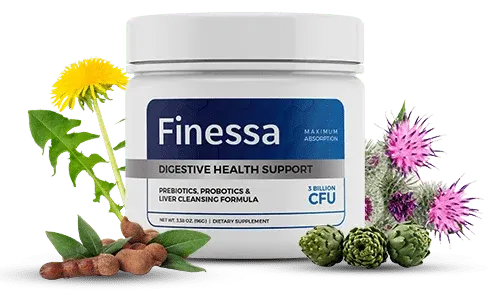
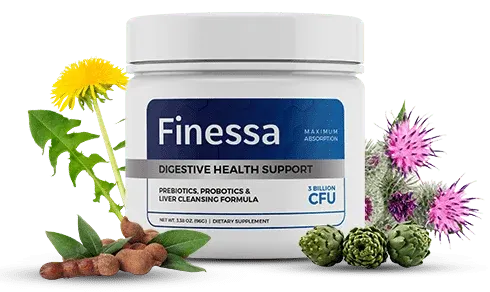
Products like Finessa are specifically designed with IBS in mind, focusing on ingredients known to alleviate constipation, bloating, and discomfort. They often incorporate research-backed components at clinically relevant dosages to provide effective relief for those struggling with chronic digestive irregularity.
Key Ingredients in Finessa for Digestive Regularity and Comfort
Finessa is formulated with a powerful blend of natural ingredients, each selected for its scientifically recognized ability to support digestive health, promote regularity, and alleviate common IBS symptoms like constipation and bloating.

Magnesium Citrate
Role: A highly bioavailable form of magnesium that acts as an osmotic laxative, drawing water into the colon to soften stool and stimulate bowel movements, providing gentle and effective relief from constipation.
Typical Dose: 200-400 mg
Psyllium Husk
Role: A source of soluble fiber that forms a gel-like substance in the gut, adding bulk to stool and making it easier to pass. It helps regulate bowel movements without causing excessive gas, ideal for IBS-C.
Typical Dose: 5-10 g
Aloe Vera Leaf (Inner Gel)
Role: Known for its soothing and anti-inflammatory properties, aloe vera helps calm the digestive tract. Its natural laxative compounds gently promote bowel regularity and may aid in healing the gut lining.
Typical Dose: 50-200 mg extract
Ginger Root
Role: A natural carminative that helps relax the digestive muscles, reduce gas, and alleviate nausea and bloating. Ginger also promotes gastric emptying, supporting overall digestive comfort and motility.
Typical Dose: 250-1000 mg
Fructooligosaccharides (FOS)
Role: A prebiotic fiber that selectively feeds beneficial gut bacteria, promoting a healthy gut microbiome. FOS helps improve gut flora balance, which can positively impact bowel regularity and reduce digestive discomfort.
Typical Dose: 1-5 g
Peppermint Leaf Extract
Role: Contains menthol, which has antispasmodic effects on the smooth muscles of the digestive tract. It significantly reduces abdominal pain, cramping, and bloating, offering quick relief for IBS symptoms.
Typical Dose: 0.2-0.4 ml oil
Licorice Root
Role: Known for its demulcent properties, licorice root helps soothe and protect the mucous membranes of the digestive tract, reducing irritation and inflammation. It can also support healthy adrenal function, aiding stress response.
Typical Dose: 200-500 mg extract
Lactobacillus Acidophilus
Role: A well-researched probiotic strain that helps maintain a healthy balance of gut bacteria. It supports digestion, enhances nutrient absorption, and may reduce IBS symptoms like bloating and irregular bowel movements.
Typical Dose: Billions of CFUs
Experience the Finessa Difference: Gentle, Effective IBS Support
Finessa is a meticulously crafted natural supplement designed to target the core issues of digestive irregularity and discomfort associated with IBS, particularly constipation. Its synergistic blend of ingredients works to promote regular bowel movements, soothe the gut lining, and support a balanced microbiome, helping you reclaim daily comfort.
- Promotes Regular Bowel Movements
- Alleviates Bloating and Discomfort
- Supports a Healthy Gut Microbiome
- Soothes Digestive Tract
- 100% Natural, Non-GMO Ingredients




Hear From Our Satisfied Customers
"I've struggled with IBS-C for years, and nothing seemed to help consistently until I found Finessa. My bloating is down, and I finally have regular bowel movements without harsh laxatives. It's truly been a game-changer for my comfort and confidence!"
"Finessa has brought so much relief to my daily life. The constant discomfort and irregularity used to dictate my schedule. Now, I feel lighter, less bloated, and my digestion is much smoother. I'm so grateful for this natural solution!"
"As someone who prefers natural remedies, Finessa was exactly what I was looking for. The blend of ingredients is effective, and I haven't experienced any side effects. My gut feels happier, and the stress of IBS has significantly decreased. Highly recommend!"
Frequently Asked Questions
What is IBS and how does it manifest as constipation?
+Irritable Bowel Syndrome (IBS) is a common chronic disorder affecting the large intestine. It's characterized by a group of symptoms that occur together, including abdominal pain, bloating, gas, and changes in bowel habits. When IBS manifests as constipation (IBS-C), individuals typically experience infrequent bowel movements, hard or lumpy stools, straining during defecation, and a sensation of incomplete evacuation. This can lead to significant discomfort and impact daily life.
What are the primary natural strategies for managing IBS symptoms?
+Natural management strategies for IBS are multi-faceted, focusing on diet, lifestyle, and targeted supplementation. Key approaches include identifying and avoiding trigger foods (often using a low-FODMAP diet), increasing soluble fiber intake, ensuring adequate hydration, managing stress through techniques like mindfulness or yoga, engaging in regular physical activity, and exploring supportive supplements such as probiotics, peppermint oil, or magnesium.
How does diet, particularly the FODMAP approach, help with IBS?
+The low-FODMAP (Fermentable Oligo-, Di-, Mono-saccharides And Polyols) diet is a well-researched dietary strategy for IBS. FODMAPs are types of carbohydrates that can be poorly absorbed in the small intestine and rapidly fermented by gut bacteria, leading to gas, bloating, and other IBS symptoms. By temporarily restricting high-FODMAP foods and then gradually reintroducing them, individuals can identify their specific triggers and develop a more personalized, symptom-relieving diet.
Can stress truly impact my IBS symptoms, and how can I manage it?
+Absolutely. The gut and brain are intricately linked via the 'gut-brain axis,' meaning emotional stress can significantly exacerbate IBS symptoms, including constipation. Managing stress is crucial for IBS relief. Effective strategies include mindfulness meditation, deep breathing exercises, yoga, regular physical activity, ensuring sufficient sleep, and seeking support from therapists or counselors to develop coping mechanisms for stress.
Are supplements like Finessa safe to use alongside other natural strategies?
+Many individuals find that combining targeted natural supplements with dietary and lifestyle changes provides comprehensive relief for IBS symptoms, particularly constipation and digestive irregularity. Supplements like Finessa are formulated with natural ingredients known for their digestive benefits. However, it's always recommended to consult with a healthcare professional before starting any new supplement regimen, especially if you have pre-existing medical conditions or are taking other medications. For more detailed information on safety, you can visit our dedicated page on Finessa side effects and safety.
Where can I learn more about Finessa and purchase it?
+You can learn more about Finessa, its ingredients, and how it works to support digestive health by exploring our official website. To purchase Finessa and take advantage of any current offers, please visit our official purchase page. We offer secure ordering and a satisfaction guarantee.
Related Articles