Is your liver secretly sabotaging your digestion and causing discomfort?
Many people suffer from chronic constipation and digestive irregularity, often trying various remedies without addressing the root cause. What if the key to a smoother digestive system lies not just in your gut, but also in a vital organ often overlooked: your liver?
The liver plays an indispensable role in nearly every bodily function, including metabolism, detoxification, and crucially, digestion. A healthy liver ensures efficient processing of nutrients and elimination of waste, directly influencing your gut's rhythm and comfort. Ignoring its health can lead to a cascade of digestive issues, making it harder to maintain regularity and overall well-being. Understanding this profound connection between your liver and digestion is the first step towards lasting relief.
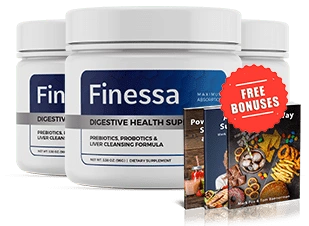
The Liver: Your Unsung Digestive Hero
Often overshadowed by the stomach and intestines, the liver is a powerhouse organ critical for smooth and efficient digestion. Its functions extend far beyond detoxification, directly influencing how your body processes food and eliminates waste.
The liver performs over 500 vital functions, making it one of the most hardworking organs in your body. From a digestive standpoint, its primary role involves the production and secretion of **bile**. Bile is a yellowish-green fluid that aids in the digestion of fats in the small intestine. Without adequate bile, fats are not properly broken down, leading to malabsorption of fat-soluble vitamins (A, D, E, K) and essential fatty acids. This can manifest as digestive discomfort, bloating, and perhaps most notably, **constipation and digestive irregularity**.
Beyond bile production, the liver acts as a processing plant for all nutrients absorbed from the small intestine. Blood carrying these nutrients travels directly to the liver via the portal vein, where the liver converts them into forms the body can use, stores them, or prepares them for elimination. This metabolic hub ensures that your body gets the energy and building blocks it needs while filtering out any potentially harmful substances before they circulate throughout your system. A healthy liver is therefore indispensable for **optimal nutrient utilization** and overall digestive harmony.
Furthermore, the liver is intimately involved in **detoxification**, neutralizing toxins from food, medications, and environmental exposures. When the liver is burdened or sluggish, these toxins can accumulate, placing additional stress on the digestive system and potentially disrupting gut motility. This can further exacerbate issues like constipation, as the body struggles to efficiently clear waste.
💡 Key Takeaway
The liver's primary role in digestion is bile production for fat breakdown and processing absorbed nutrients. A compromised liver leads to inefficient fat digestion, nutrient malabsorption, and toxin buildup, all contributing to constipation and digestive irregularity.
How Liver Dysfunction Leads to Constipation and Irregularity
When your liver isn't functioning optimally, it creates a ripple effect throughout your entire digestive system, often culminating in frustrating issues like chronic constipation and unpredictable bowel movements.
One of the most direct links between a sluggish liver and constipation is **insufficient bile production or impaired bile flow**. Bile not only emulsifies fats but also stimulates intestinal contractions, helping to move waste through the colon. If bile production is low, or if the bile ducts are obstructed, the stool can become dry and hard, leading to difficult and infrequent bowel movements. This often results in the discomfort and straining associated with **chronic constipation**.
Moreover, a liver that isn't efficiently detoxifying can lead to an accumulation of metabolic waste products in the bloodstream. These toxins can irritate the gut lining, disrupt the delicate balance of the **gut microbiome**, and impair the neurological signals that control gut motility. An imbalanced gut flora, often a consequence of poor liver function, can further contribute to digestive irregularities, gas, bloating, and both constipation and diarrhea.
The liver also plays a role in processing hormones, including those that influence gut function. Hormonal imbalances, particularly thyroid hormones, which the liver helps convert to their active form, can significantly impact bowel regularity. A sluggish liver might therefore indirectly contribute to **hormonal imbalances** that slow down digestion. Understanding these intricate pathways highlights why addressing liver health is a foundational step in overcoming persistent digestive issues.
Many individuals overlook the liver when seeking solutions for their digestive woes, focusing solely on the gut. However, a holistic approach that considers the liver's profound influence can often unlock the sustained relief they've been searching for. Prioritizing liver support can lead to not just regular bowel movements, but also a reduction in bloating, improved nutrient absorption, and an overall sense of digestive comfort and vitality.
Common Signs Your Liver Might Be Affecting Your Digestion
Recognizing the subtle signals your body sends can be crucial for identifying potential liver involvement in your digestive struggles. These symptoms often extend beyond just gut discomfort.
Persistent Constipation or Irregularity
One of the most direct indicators. If your bowel movements are infrequent (less than three times a week), difficult to pass, or inconsistent, and other remedies haven't helped, your liver's role in bile production and detoxification might be compromised, leading to sluggish digestion.
Bloating and Abdominal Discomfort
Inefficient fat digestion due to inadequate bile can lead to undigested fats fermenting in the gut, causing excessive gas, bloating, and a feeling of fullness. This discomfort often worsens after fatty meals, signaling the liver's struggle to process them effectively.
Pale Stools or Dark Urine
Bile gives stool its characteristic brown color. If your stools are consistently pale or clay-colored, it could indicate insufficient bile reaching the intestines. Conversely, very dark urine can suggest a buildup of bilirubin, processed by the liver, which is being excreted through the kidneys.
Fatigue and Low Energy
A burdened liver struggles to metabolize nutrients and detoxify effectively, leading to a buildup of toxins and reduced energy production. This can manifest as chronic tiredness, a general feeling of sluggishness, and difficulty concentrating, even after adequate rest.
Skin Issues and Itching
When the liver cannot efficiently remove toxins, they can be eliminated through other pathways, including the skin. This can lead to unexplained itching, rashes, or a dull complexion. Jaundice (yellowing of skin/eyes) is a more severe sign of liver distress.
Difficulty Digesting Fatty Foods
If you experience nausea, indigestion, or pain in the upper right abdomen after eating foods high in fat, it's a strong signal that your liver might not be producing or releasing enough bile to properly break down these fats. This is a classic sign of compromised fat metabolism.
Holistic Strategies for Optimal Liver and Digestive Health
Supporting your liver and digestive system doesn't require drastic measures. A combination of mindful lifestyle choices, dietary adjustments, and targeted support can make a profound difference.
One of the most impactful strategies is **dietary modification**. Incorporate a diet rich in whole, unprocessed foods. Emphasize plenty of fiber from fruits, vegetables, and whole grains, which aids in bowel regularity and supports the gut microbiome. Cruciferous vegetables like broccoli, cauliflower, and kale are particularly beneficial for liver detoxification pathways. Limit processed foods, excessive sugars, unhealthy fats, and refined carbohydrates, as these can burden the liver and contribute to inflammation in the gut. Reducing alcohol intake is also paramount, as the liver is responsible for metabolizing alcohol, and excessive consumption can lead to liver damage.
Beyond diet, **hydration** plays a critical role. Drinking plenty of water helps maintain stool consistency, making it easier to pass, and supports the liver's ability to flush out toxins. Aim for at least 8 glasses of water daily. Regular **physical activity** also stimulates bowel motility and improves circulation, which benefits both liver and digestive function. Even moderate exercise, like a daily walk, can significantly contribute to better regularity and overall well-being.
Managing **stress** is another often-overlooked component. Chronic stress can negatively impact the gut-brain axis, leading to digestive disturbances. Practices such as meditation, yoga, deep breathing exercises, or spending time in nature can help reduce stress levels and promote a healthier digestive rhythm. Adequate **sleep** is equally important, allowing the body to repair and regenerate, including the liver and gut.
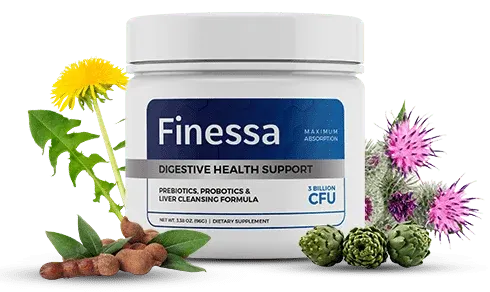
For those seeking additional support, certain **natural supplements** can be beneficial. Ingredients like Milk Thistle, Artichoke Extract, and Dandelion Root have long been recognized for their hepatoprotective (liver-protective) and digestive-enhancing properties. These botanicals can help stimulate bile flow, support liver detoxification enzymes, and reduce inflammation, thereby indirectly improving bowel regularity and reducing symptoms like bloating. Products like Finessa are formulated to provide targeted nutritional support for these vital functions. Remember to always consult with a healthcare professional before starting any new supplement regimen, especially if you have underlying health conditions or are taking other medications. You can read more about how supplements can assist with issues like bloating and irregularity in our article about the best supplements for bloating and digestive irregularity.
By adopting these holistic strategies, you can empower your liver to function at its best, leading to a cascade of positive effects on your digestion, energy levels, and overall health. Addressing the root cause, rather than just the symptoms, is the most effective path to lasting digestive comfort and vitality. Recognizing the signs of poor gut health can also guide your holistic approach.
Understanding Key Liver Functions for Digestion
Bile Production and Secretion
The liver continuously produces bile, a complex fluid essential for emulsifying dietary fats in the small intestine. This process breaks large fat globules into smaller ones, making them easier for digestive enzymes (lipases) to break down. Without sufficient bile, fats pass largely undigested, leading to malabsorption, nutrient deficiencies, and digestive discomfort like bloating and fatty stools. Bile also acts as a natural laxative, stimulating intestinal contractions to promote regular bowel movements, making it crucial for preventing constipation.
Detoxification Pathways
The liver is the body's primary detoxification organ, processing everything from environmental toxins and medications to metabolic waste products. It performs a two-phase detoxification process: Phase I involves enzymes that break down toxins into smaller, more reactive substances, and Phase II then binds these substances to other molecules, making them water-soluble and easier to excrete via bile or urine. If these pathways are overloaded or inefficient, toxins can accumulate, putting stress on the entire system, including the gut, and potentially slowing down digestive motility.
Nutrient Metabolism and Storage
After food is digested and nutrients are absorbed from the intestines, they travel directly to the liver. The liver then metabolizes these nutrients—converting carbohydrates into glucose for energy or glycogen for storage, synthesizing proteins, and processing fats. It also stores vital vitamins (A, D, B12) and minerals (iron, copper). A healthy liver ensures that your body efficiently utilizes the nutrients it absorbs, providing the energy and building blocks necessary for all bodily functions, including maintaining a robust digestive system.
Influence on Gut Microbiome
The health of your liver has a direct impact on the composition and function of your gut microbiome. Bile, for instance, not only aids digestion but also has antimicrobial properties that help regulate bacterial populations in the small intestine, preventing overgrowth of harmful bacteria. Furthermore, an overloaded liver can lead to a buildup of toxins that may negatively alter the gut environment, fostering dysbiosis—an imbalance of gut bacteria—which is a known contributor to constipation, diarrhea, and other digestive issues. A well-functioning liver helps maintain a balanced and healthy gut flora.
Key Ingredients for Liver & Digestive Support
Nature offers powerful allies in supporting liver function and digestive health. Here are some of the most effective ingredients often found in quality supplements designed to alleviate issues like constipation and irregularity.

Artichoke Extract
Role: Supports bile production and liver detoxification. Artichoke extract contains cynarin, which is known to stimulate bile flow, aiding in fat digestion and promoting regularity. It can also help reduce symptoms of indigestion and bloating.
300-500mg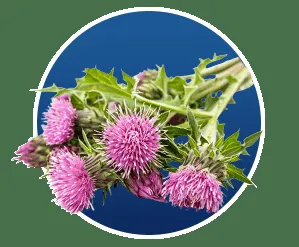
Milk Thistle
Role: Protects liver cells and promotes regeneration. Silymarin, the active compound in Milk Thistle, is a powerful antioxidant and anti-inflammatory agent that supports liver cell repair and protects against damage from toxins. It's a cornerstone for comprehensive liver health.
200-400mg
Dandelion Root
Role: Acts as a natural diuretic and aids bile flow. Dandelion root has been traditionally used to support liver and kidney function. It helps increase bile secretion, assisting with digestion and promoting the elimination of waste, which can ease constipation.
200-300mg
Choline Bitartrate
Role: Essential for fat metabolism and liver function. Choline is a vital nutrient that supports the transport of fats from the liver, preventing fat buildup and supporting healthy liver metabolism. It's crucial for maintaining efficient bile production and fat digestion.
50-100mg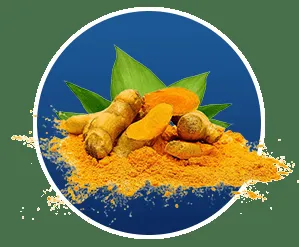
Beetroot Powder
Role: Supports liver detoxification pathways and blood flow. Beetroot is rich in betalains, which are powerful antioxidants that support the liver's Phase 2 detoxification process. It also helps improve blood flow to the liver, enhancing its overall function and aiding digestion.
100-200mg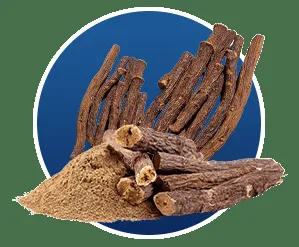
Ginger Root
Role: Aids digestion, reduces nausea, and has anti-inflammatory properties. Ginger is a well-known digestive aid that stimulates digestive juices and speeds up gastric emptying. Its anti-inflammatory effects can soothe the gut and alleviate discomfort associated with irregularity.
50-100mg
Alpha Lipoic Acid (ALA)
Role: Potent antioxidant, supports liver enzymes. ALA is a powerful antioxidant that helps regenerate other antioxidants like glutathione, crucial for liver detoxification. It supports healthy liver function and protects against oxidative stress, which can impact digestion.
30-50mg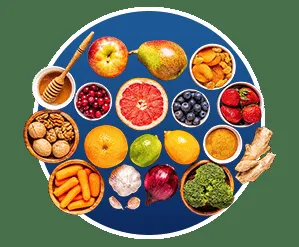
Turmeric (Curcumin)
Role: Anti-inflammatory, supports bile production and liver health. The active compound curcumin in turmeric is a potent anti-inflammatory agent that can protect the liver from damage and stimulate bile flow, thus improving fat digestion and reducing digestive discomfort.
50-100mg
Experience the Finessa Difference: Support Your Liver, Transform Your Digestion
If you're tired of chronic constipation, bloating, and unpredictable digestive issues, it's time to consider the critical role your liver plays. Finessa is a natural, scientifically-backed supplement designed to gently support your liver's vital functions, leading to a healthier digestive system and overall well-being.
- ✓ Supports Healthy Bile Production for Efficient Fat Digestion
- ✓ Aids Natural Liver Detoxification Pathways
- ✓ Promotes Regular, Comfortable Bowel Movements
- ✓ Reduces Bloating and Digestive Discomfort
- ✓ Made with 100% Natural, Clinically Studied Ingredients



What Our Customers Are Saying
"I was struggling with constant bloating and irregularity for years. After focusing on my liver health, I've noticed a significant improvement. My digestion is smoother, and I feel lighter and more energetic. It's truly life-changing!"
"My doctor mentioned my liver might be sluggish, affecting my digestion. I started incorporating liver-supporting habits, and the difference is remarkable. No more daily struggle with constipation. I highly recommend looking into this connection."
"I never connected my liver to my digestive issues until I read about it. Since then, I've been more mindful of my diet and supplements. My bowel movements are regular now, and I don't feel that heavy discomfort anymore. It's a holistic approach that works."
Frequently Asked Questions
How does the liver directly impact digestion?
+The liver produces bile, which is crucial for breaking down fats in the small intestine. It also processes nutrients absorbed from the gut and detoxifies harmful substances before they reach the rest of the body. A well-functioning liver ensures efficient nutrient absorption and waste elimination.
Can poor liver health lead to constipation?
+Yes, absolutely. If the liver isn't producing enough bile, or if bile flow is obstructed, fat digestion becomes inefficient. This can lead to malabsorption, an imbalanced gut microbiome, and slower bowel movements, often resulting in constipation and digestive irregularity.
What are common signs of an unhealthy liver affecting digestion?
+Beyond constipation, signs can include chronic fatigue, bloating, indigestion, dark urine, pale stools, skin issues, unexplained weight changes, and a general feeling of sluggishness. These symptoms often point to impaired liver detoxification and digestive support.
What lifestyle changes can support both liver and digestive health?
+Prioritizing a balanced diet rich in fiber, fruits, vegetables, and lean proteins is crucial. Limiting processed foods, excessive sugar, and alcohol is also vital. Regular hydration, consistent exercise, and managing stress can significantly improve both liver function and digestive regularity.
How can Finessa help improve liver and digestive health?
+Finessa is formulated with a blend of natural ingredients known for their liver-supporting and digestive-enhancing properties. Ingredients like Milk Thistle, Artichoke Extract, and Dandelion Root are traditionally used to promote bile production, aid detoxification, and support overall liver function, which in turn can lead to improved digestion and regularity.
Is Finessa safe for long-term use?
+Finessa is made with natural ingredients and is generally considered safe for long-term use when taken as directed. However, it's always recommended to consult with your healthcare provider before starting any new supplement, especially if you have pre-existing medical conditions or are taking other medications, to ensure it's appropriate for your individual health needs.
Related Articles